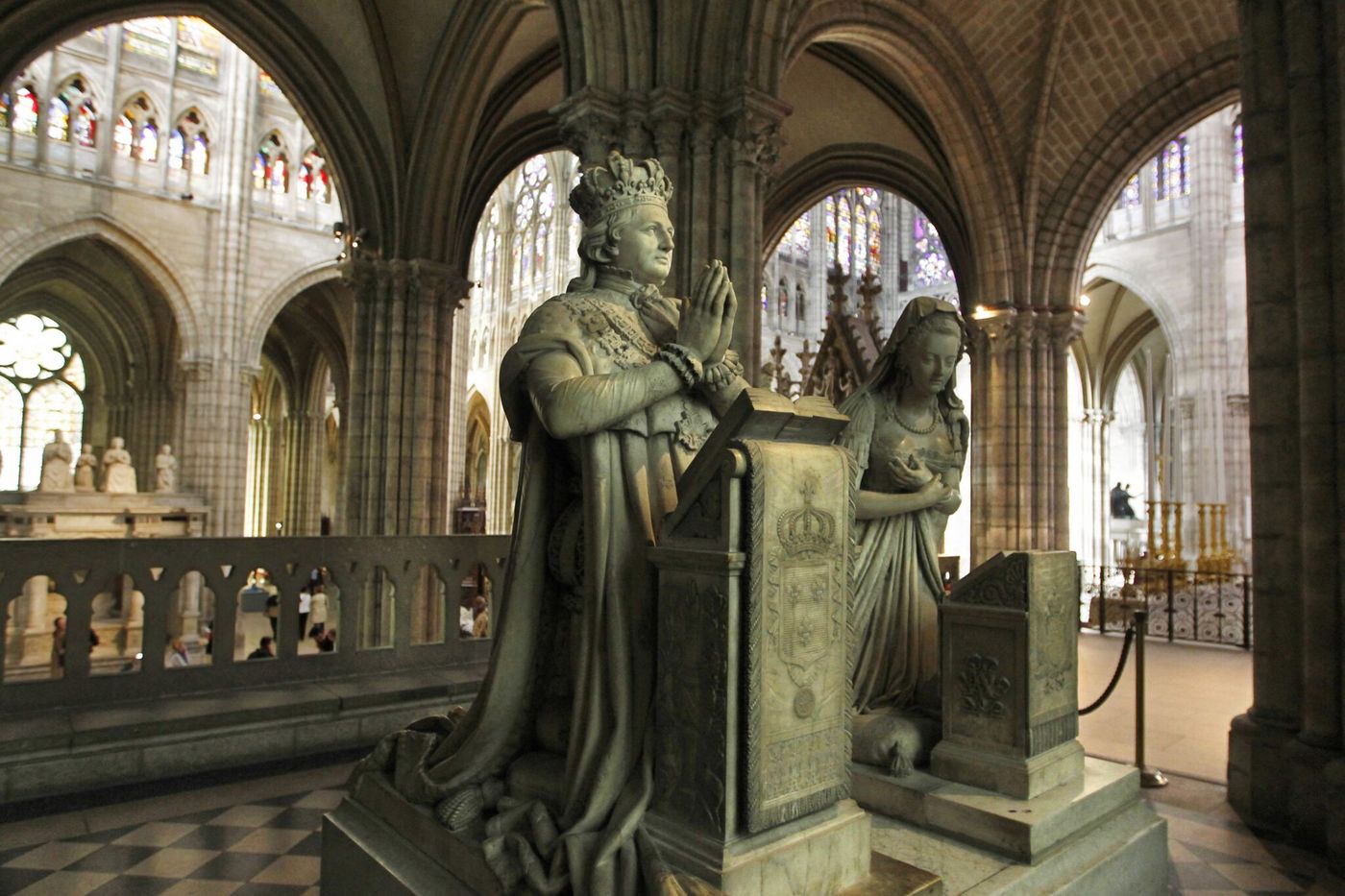


Louis XVI’s Last Will and Testament is one of the most overlooked exhortations of the Christian faith – and of the possible graces afforded by kingship, says George Young.
On The Genius of Christianity (1802), François-René de Chateaubriand wrote that “when God placed man in this region of tempests, he impressed on him a mark of royalty” – sometimes literally. On Christmas Day 1792, Louis XVI, King of France, “The Last”, “being for more than four months imprisoned with my family in the tower of the Temple at Paris”, preemptively wrote his Last Will and Testament. It was under a month before it was required, when the guillotine blade dropped in the Place de la Révolution, formerly the Place Louis XV – a square then a little over a decade old whose bronze centrepiece of Louis XV cast as a Roman general had been smelted and swapped for a lance-wielding, red-capped “Liberty”. This death-march to January 21, 1793, charts the extinction of the “Capetian Miracle” and the butchered end of the last meaningfully sustained monarchy in France; Mother Liberty was in labour.