February 12, 2026

Michael Tugendhat: Judges are depending us all

Sir Michael Tugendhat
More
Related
Min read
share

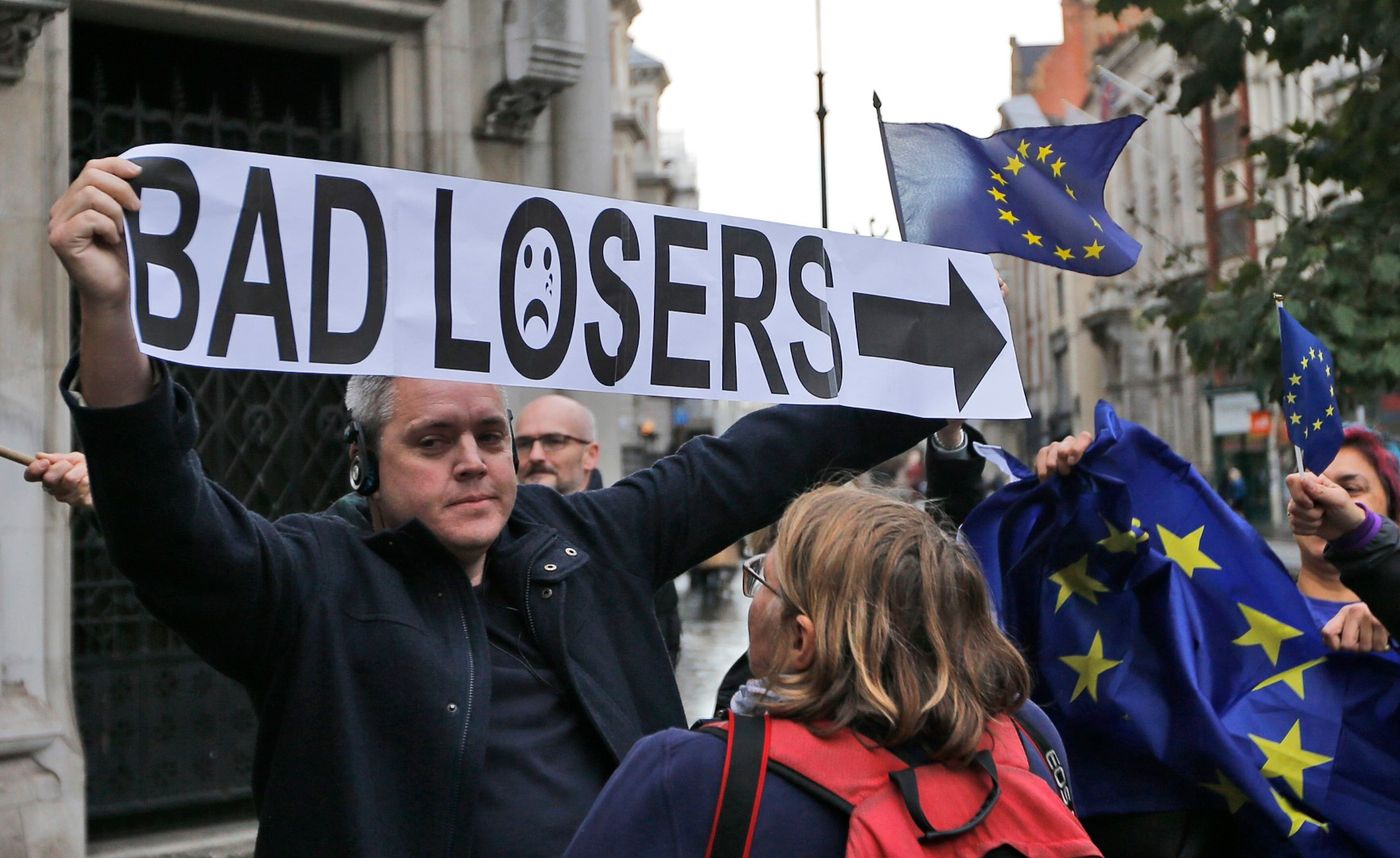
‘Enemies of the people” was how the Daily Mail referred to the three judges who held that British constitutional law required that Parliament should vote before the Government can take Britain out of the European Union.

The phrase has a history. It was used in the time of Roman emperors such as Nero. More famously, it was used by the French revolutionaries, who conducted mass executions by guillotine during the period known as the Reign of Terror. It was also used in Stalin’s USSR. Those declared to be enemies of the people were sent for execution or exile without any procedure which we would recognise as a fair trial. The Daily Mail was obviously not proposing that the three judges be sent to the guillotine or the gulag. So what did the joke mean?
The explanation in the headline was that the judges had ‘‘declared war on democracy’’ by defying 17.4m Brexit voters, and … could trigger a constitutional crisis”. Democracy was not what was practised under the Roman Empire, the Reign of Terror or Stalin. They all had judges who could decide disputes between individuals. But unlike what we understand by democracy, those infamous regimes did not have judges who could decide disputes between the citizen and the state. There could be no dispute between the individual or minorities and the state. The state had unlimited power, and might was right.

Democracy without judges is quickly followed by the likes of the Queen of Hearts in Alice in Wonderland: “The Queen had only one way of settling all difficulties, great or small. ‘Off with his head!’ she said, without even looking round.’ ” The head in question was the Cheshire Cat’s – the cat who was so impertinent as to look at the King.

For the Daily Mail, it is the people, or rather “the 17.4m Brexit voters”, who are the king today, and the judges who are the Cheshire Cat. They have been so impertinent as to do their job of interpreting the constitution. Alice’s Wonderland did not have a constitution, just a tyrannical queen. Democracy is not simply the will of the majority. The British people are not to give up the constitution they have developed over the 800 years since Magna Carta. They have not rejected EU law only to import the laws – or lawlessness – of the French Revolution.

Does the joke matter? In one sense, it does not matter at all. It will certainly not make any difference to how the Supreme Court decides the appeal this week, whichever way it decides it. Judges look at the law, and judging is not a job for the thin-skinned.

But in another way, the joke does matter. Newspaper proprietors make their living by selling copies. Successful newspapers reflect and reinforce the views of their readers. There are few newspapers more successful than the Daily Mail. So the joke tells us what a large section of the population thinks of the British constitution: they do not like it any more than they like EU law. It is not just laws from Brussels that they do not like: it is any laws that limit their powers. They do not want there to be any restraint on the majority of voters, even a majority of 51 per cent.

Vox populi, vox Dei – the voice of the people is the voice of God. This phrase does not mean that there is a God and the people are his voice. It means there is no God, and so the voice of a majority takes the place of Him. They can do whatever they want. There is no divine or natural law. For many of its adherents, this is what atheism implies.

The British constitution was not constructed by atheists, but by Christians, both before and after the Reformation. For Christians, there is a higher law, and kings are bound by it. English kings were accountable to their people as well as to God. Rebellions against King John and other kings were justified as rebellions against tyranny.

In a democracy, where the ultimate power rests not with the king but with the people, the people must also be accountable, not only to God, but also to individuals and minorities. Otherwise democracy is just a form of tyranny.

Judges stand between the majority, who control the state, and individuals, minorities and those too young to vote, who do not control it. That is why judges must be unelected. If they were elected, they would not be judges at all. They would be just another agency of the majority. The choice for a people is not between unelected judges or elected judges. The choice is between unelected judges or no judges at all to defend the individual or minorities from the tyranny of the majority.

The 17.4m Brexit voters must have what they have voted for. But they must have it in accordance with the constitution, as interpreted by judges “without fear or favour”, in accordance with their oath.

‘Enemies of the people” was how the Daily Mail referred to the three judges who held that British constitutional law required that Parliament should vote before the Government can take Britain out of the European Union.

The phrase has a history. It was used in the time of Roman emperors such as Nero. More famously, it was used by the French revolutionaries, who conducted mass executions by guillotine during the period known as the Reign of Terror. It was also used in Stalin’s USSR. Those declared to be enemies of the people were sent for execution or exile without any procedure which we would recognise as a fair trial. The Daily Mail was obviously not proposing that the three judges be sent to the guillotine or the gulag. So what did the joke mean?
The explanation in the headline was that the judges had ‘‘declared war on democracy’’ by defying 17.4m Brexit voters, and … could trigger a constitutional crisis”. Democracy was not what was practised under the Roman Empire, the Reign of Terror or Stalin. They all had judges who could decide disputes between individuals. But unlike what we understand by democracy, those infamous regimes did not have judges who could decide disputes between the citizen and the state. There could be no dispute between the individual or minorities and the state. The state had unlimited power, and might was right.

Democracy without judges is quickly followed by the likes of the Queen of Hearts in Alice in Wonderland: “The Queen had only one way of settling all difficulties, great or small. ‘Off with his head!’ she said, without even looking round.’ ” The head in question was the Cheshire Cat’s – the cat who was so impertinent as to look at the King.

For the Daily Mail, it is the people, or rather “the 17.4m Brexit voters”, who are the king today, and the judges who are the Cheshire Cat. They have been so impertinent as to do their job of interpreting the constitution. Alice’s Wonderland did not have a constitution, just a tyrannical queen. Democracy is not simply the will of the majority. The British people are not to give up the constitution they have developed over the 800 years since Magna Carta. They have not rejected EU law only to import the laws – or lawlessness – of the French Revolution.

Does the joke matter? In one sense, it does not matter at all. It will certainly not make any difference to how the Supreme Court decides the appeal this week, whichever way it decides it. Judges look at the law, and judging is not a job for the thin-skinned.

But in another way, the joke does matter. Newspaper proprietors make their living by selling copies. Successful newspapers reflect and reinforce the views of their readers. There are few newspapers more successful than the Daily Mail. So the joke tells us what a large section of the population thinks of the British constitution: they do not like it any more than they like EU law. It is not just laws from Brussels that they do not like: it is any laws that limit their powers. They do not want there to be any restraint on the majority of voters, even a majority of 51 per cent.

Vox populi, vox Dei – the voice of the people is the voice of God. This phrase does not mean that there is a God and the people are his voice. It means there is no God, and so the voice of a majority takes the place of Him. They can do whatever they want. There is no divine or natural law. For many of its adherents, this is what atheism implies.

The British constitution was not constructed by atheists, but by Christians, both before and after the Reformation. For Christians, there is a higher law, and kings are bound by it. English kings were accountable to their people as well as to God. Rebellions against King John and other kings were justified as rebellions against tyranny.

In a democracy, where the ultimate power rests not with the king but with the people, the people must also be accountable, not only to God, but also to individuals and minorities. Otherwise democracy is just a form of tyranny.

Judges stand between the majority, who control the state, and individuals, minorities and those too young to vote, who do not control it. That is why judges must be unelected. If they were elected, they would not be judges at all. They would be just another agency of the majority. The choice for a people is not between unelected judges or elected judges. The choice is between unelected judges or no judges at all to defend the individual or minorities from the tyranny of the majority.

The 17.4m Brexit voters must have what they have voted for. But they must have it in accordance with the constitution, as interpreted by judges “without fear or favour”, in accordance with their oath.

subscribe to
the catholic herald

Continue reading your article with a subscription.
Read 5 articles with our free plan.
Subscribe

subscribe to the catholic herald today

Our best content is exclusively available to our subscribers. Subscribe today and gain instant access to expert analysis, in-depth articles, and thought-provoking insights—anytime, anywhere. Don’t miss out on the conversations that matter most.
Subscribe