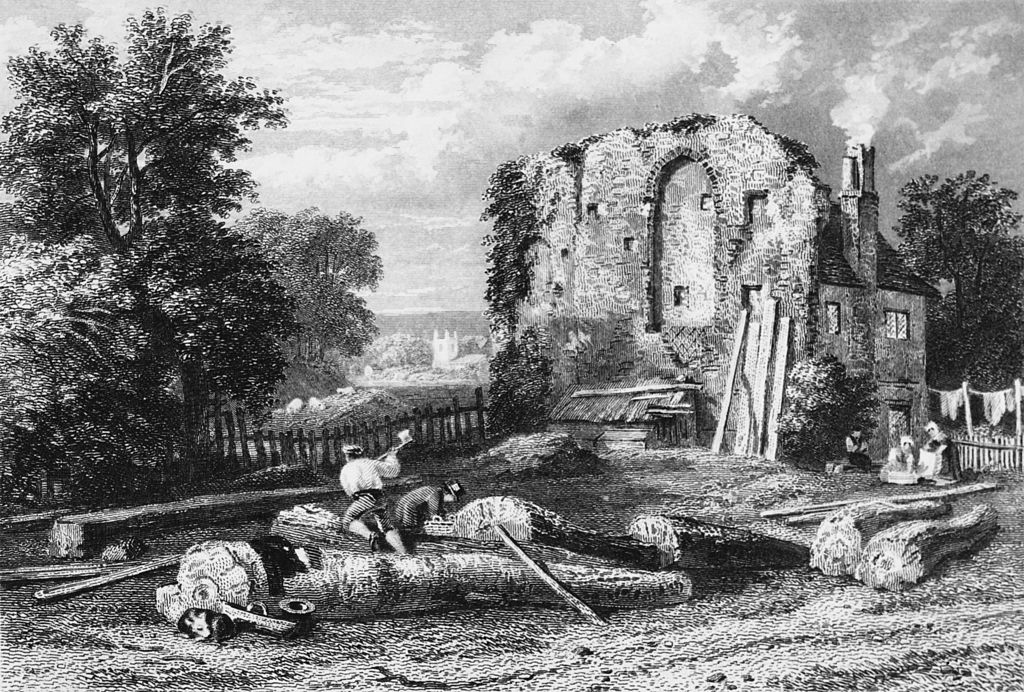





The Dissolution of the Monasteries: A New History
by James G Clark
Yale UP, £25, 689 pages
________
Apart from the Black Death plague pandemic of the 1340s, no event in the years between the Norman Conquest and the Civil War brought more of a sudden or far-reaching change to England’s social and religious life than the dissolution of the monasteries in the 1530s. At the start of that decade England was one of the most monkish nations in Europe. All the German principalities combined could muster only a tally of some 3,000 monks, nuns, and friars. In mainland England alone their number was around 12,000, distributed between roughly 850 religious houses. Their presence impinged on “social and economic life in every region, urban and rural”.