

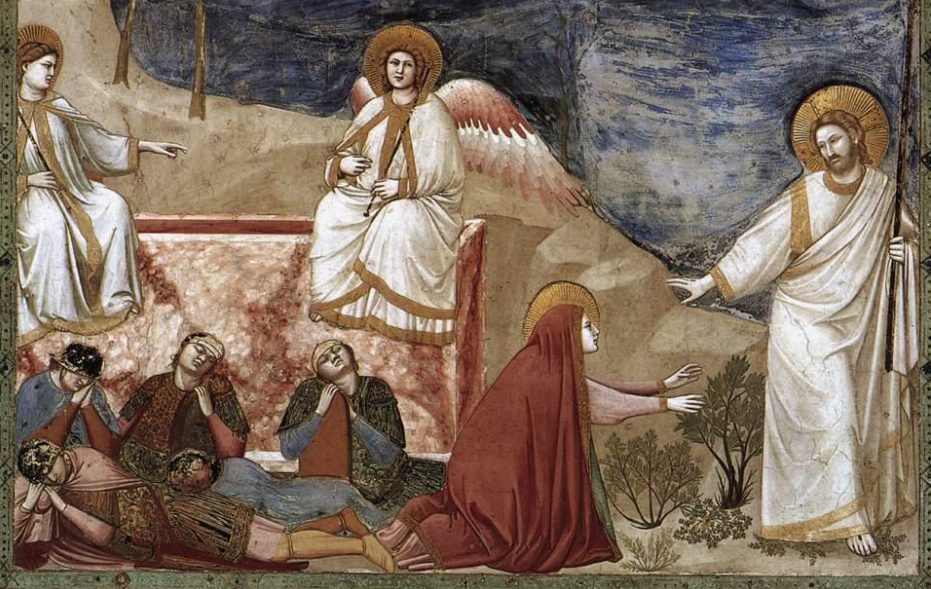
Miracles: A Very Short Introduction by Yujin Nagasawa, OUP, 144pp, £7.99 Now, more than a century after the events at Fatima, my conversations have kept turning into debates about miracles. “Extraordinary claims,” declares a colleague, “require extraordinary evidence.” Yujin Nagasawa’s method of choice is to flood the reader with dozens of examples of miracles. The philosophy professor, based at the University of Birmingham, keeps each page fresh, presenting original insights on everything from singing buffaloes to faces on toast, although in the process he compromises on the depth of discussion. Two thirds through the book, the central question is finally confronted: is it rational to believe in miracles? Slightly disappointingly, the author sits resolutely on the fence throughout the chapter’s discussion of David Hume’s argument against miracles. But this is by no means simply an abstract question. Throughout the ages, miracles are the fundamental tools that religious figures have used to prove their claims. On his very first missionary journey, St Paul placed the Resurrection at the core of his sermon in Pisidian Antioch. Quoting from his First Letter to the Corinthians, the Catechism of the Catholic Church stresses that belief in this miracle is pivotal through a startlingly sombre reminder: “If Christ has not been raised, then our preaching is in vain and your faith is in vain.” However, as Nagasawa points out, Christianity isn’t the only religion claiming miracles: Krishna, the Buddha and Taoism’s Laozi all reportedly had miraculous births; Muslims praise Mohamed for “splitting the moon”; and exorcisms are carried out in all sorts of traditions. How do we make sense of these religions’ conflicting claims? Ultimately this is also left unresolved, with the author downplaying the issue by stating that religions apart from Christianity are not very enthusiastic about miracles (although, in fact, a strong emphasis on miracles is also prevalent in Islam). Nagasawa can at least be credited with producing a thought-provoking book. Back at work, with Miracles on my desk, I see a colleague’s eyes widen. In a Polish accent, she comments on Fatima: “There is clearly something there which cannot be explained …”
12:00 PM
On miracles, a philosopher sits on the fence
Raiyan Azmi

2 min read



Already a subscriber? Sign in
5freearticles every month
Continue reading with a free account. No card needed.
- Five free articles every thirty days, on any device you sign in on
- The Catholic Herald newsletter, every morning
- Subscribe whenever you like for everything: every article and the magazine

subscribe to the catholic herald today
Our best content is exclusively available to our subscribers. Subscribe today and gain instant access to expert analysis, in-depth articles, and thought-provoking insights—anytime, anywhere. Don’t miss out on the conversations that matter most.
Subscribe



