




The film’s events are magnetically clustered around Los Alamos, finds Julia Hamilton.
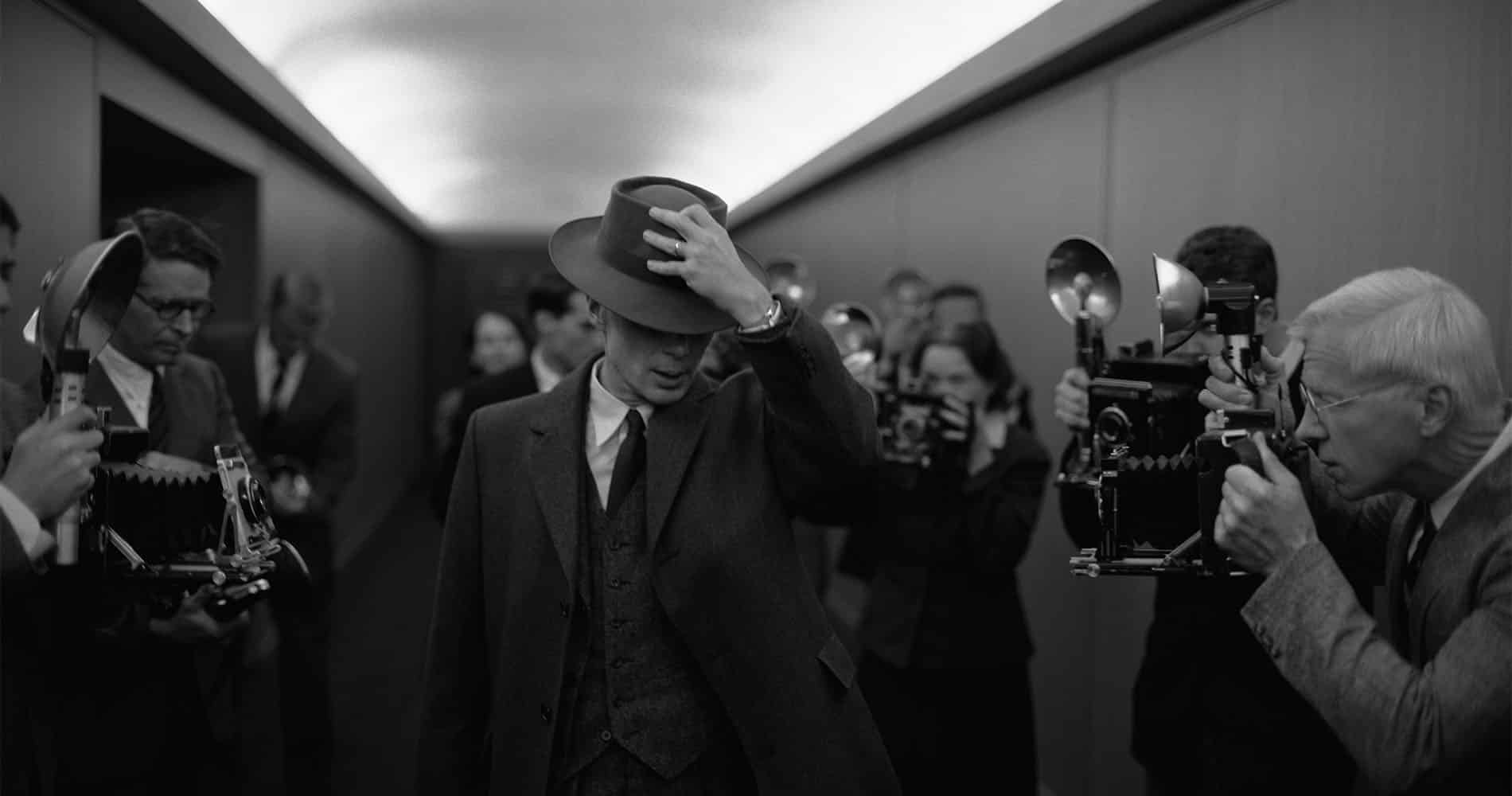
If you thought that Christopher Nolan’s last film, Dunkirk, was over-rated unhistorical nonsense – I confess I did – then Oppenheimer, his latest, starring Cillian Murphy in the performance of his life as the Faustian over-reacher that was Oppenheimer (or “Oppie”, as his friends called him) will make you think again about his ability to handle huge historical projects.
The fact that the film is based on Kai Bird and Martin J Sherwin’s 2005 magisterial yet compulsively readable Pulitzer Prize-winning biography, American Prometheus: The Triumph and Tragedy of J Robert Oppenheimer, which Nolan apparently read (or, more likely, devoured) in 2021, no doubt helped. Everything he needed was there – the drama of the 1920s speeded-up scientific advances in quantum physics, the mind-boggling emotional and intellectual complexity of his main protagonist, the coming war which dramatically highlighted the urgency of the task at hand. Then the actual test itself, rather ironically named Trinity by a man whose family had successfully ditched their own Jewish roots in an attempt to assimilate into upper-class American life.