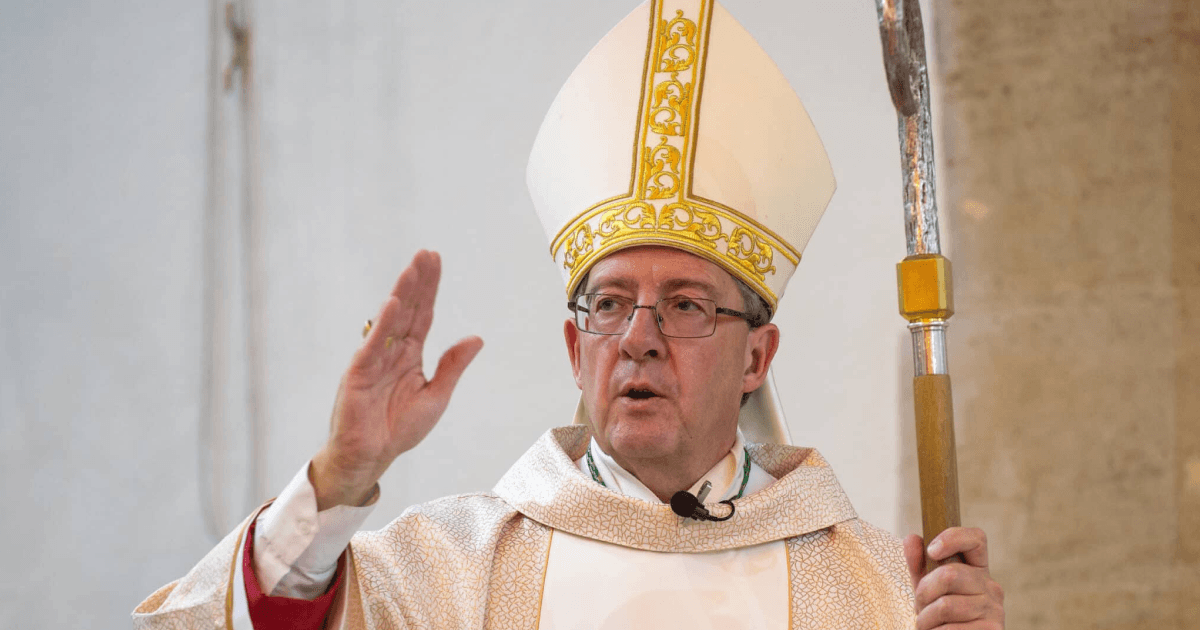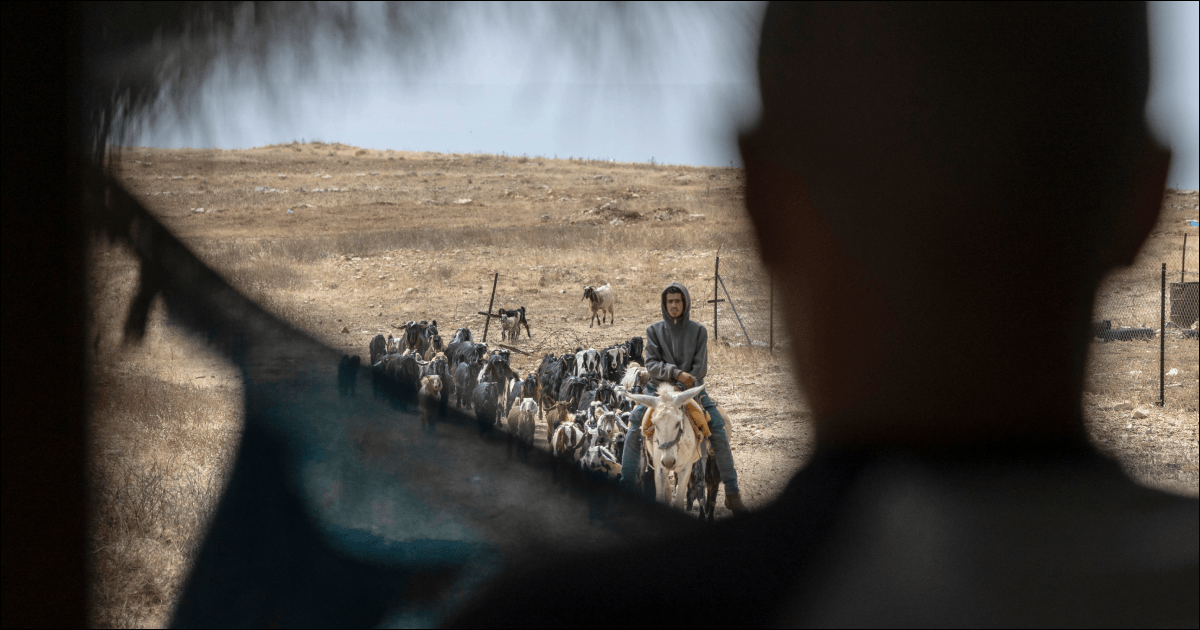



Pope Leo XIV has called for an end “to the repeated acts of violence against the Palestinian population” as the Christian village of Taybeh suffers attacks by Israeli settlers.
The Pope, speaking following his Sunday recitation of the Angelus, urged the international community to work towards a two-state solution between Israel and Palestine, adding that it should be done “for a just and lasting peace”. The Holy See affirms the two-state solution, meaning it supports the existence of both an Israeli and a Palestinian state as a framework for peace in the region.
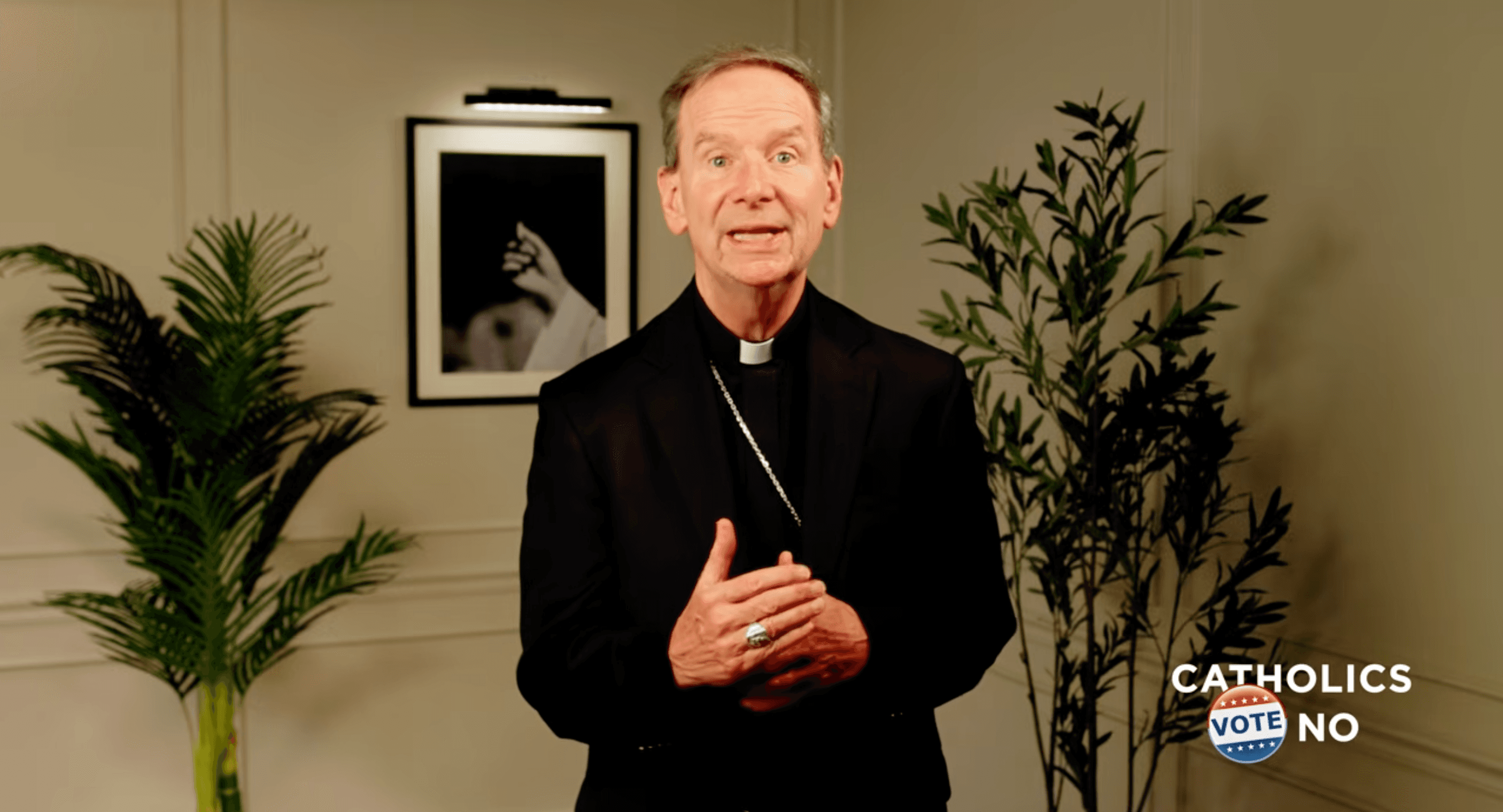
Archbishop Gabriele Caccia, who served as the permanent observer of the Holy See to the United Nations from 2020 to 2026, said last year that the two countries must be able to “live side by side in peace and security, within internationally recognised borders”. Archbishop Caccia argued for dialogue, multilateralism and inclusive cooperation rather than force as the only way lasting progress could be achieved.
The day before the Pope’s appeal for peace, Cardinal Pierbattista Pizzaballa, Latin Patriarch of Jerusalem, visited the village of Taybeh, which is the last remaining Christian village in Palestine. The village has suffered repeated attacks by Israeli settlers, including arson and home break-ins.
He said the example of the village was important “so that we can continue to be a Christian voice amid this very complex situation”.
“I may not have answers on a human or worldly level, but I believe in God. And I am certain that, in Him, we can continue to bring life, even here in Taybeh,” the cardinal said.
Visiting on the Feast of the Assumption, which he described as a “fruit of the resurrection”, he noted that the community wanted to remain one which “gives birth to life, without giving up our rights, our right to life”. “So be courageous. Do not be afraid,” he said.
On August 12, Bishop James Curry, Lead Bishop for the Holy Land for the Bishops’ Conference of England and Wales, called on the Israeli government to “find a way of protecting the legitimate communities from settler violence”.
His comments came as the Israeli military declared Taybeh a closed military zone, with the military stating it had done so to protect villagers from settler incursions. However, the bishop said it was “far from clear” that the move would achieve that objective, stating that it would impact the village’s income from tourism and pilgrimages.
“The problem of settler intimidation is a very real one. When I visited the village as part of the Holy Land Coordination in January, the community reported ongoing attacks and intimidation, a growing number of checkpoints and endless financial pressures. Families were leaving because they simply could not see how they could raise their children in safety and security,” he said.