April 5, 2026

Pope Leo XIV centres his Easter Vigil homily on peace, hope and the power of the Resurrection

Niwa Limbu
More
Related
No items found.
Min read
share

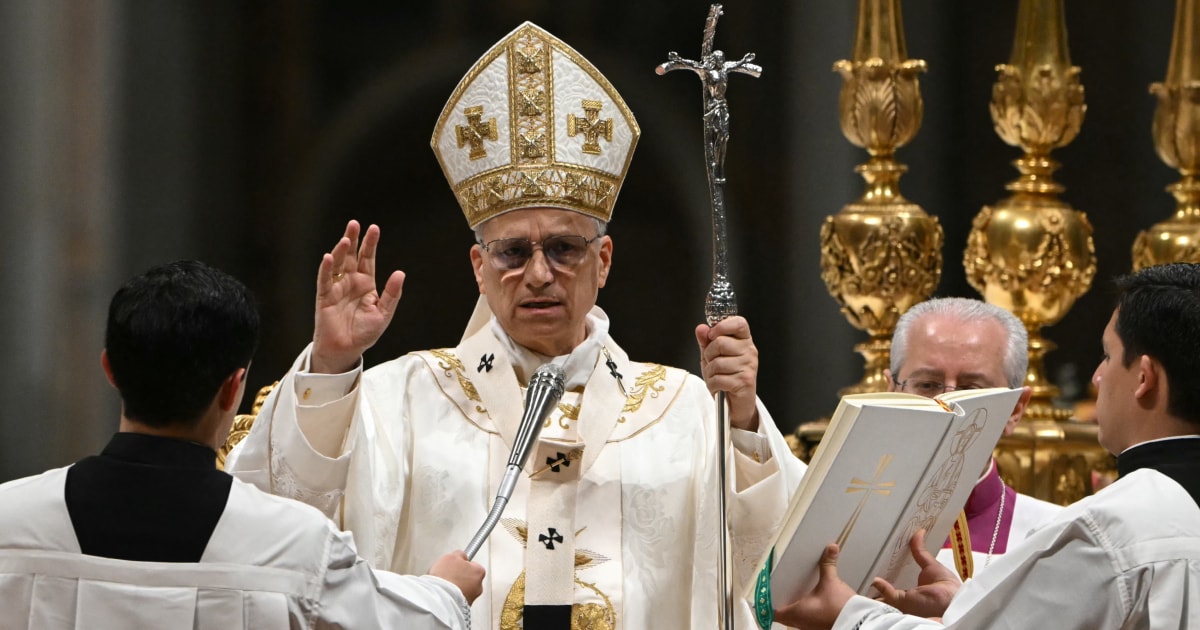
Pope Leo XIV formally inaugurated the Easter season with the celebration of the Easter Vigil in St Peter’s Basilica, setting out a message centred on the transforming power of Christ’s resurrection and its relevance to a world marked by conflict, division and fear.

Preaching during the solemn liturgy, which began at 9pm in Rome and is traditionally regarded as the “mother of all vigils”, the Pope drew on the ancient Easter proclamation, the Exsultet, quoting its opening words, “The sanctifying power of this night dispels wickedness, washes faults away, restores innocence to the fallen… drives out hatred, fosters concord and brings down the mighty.”
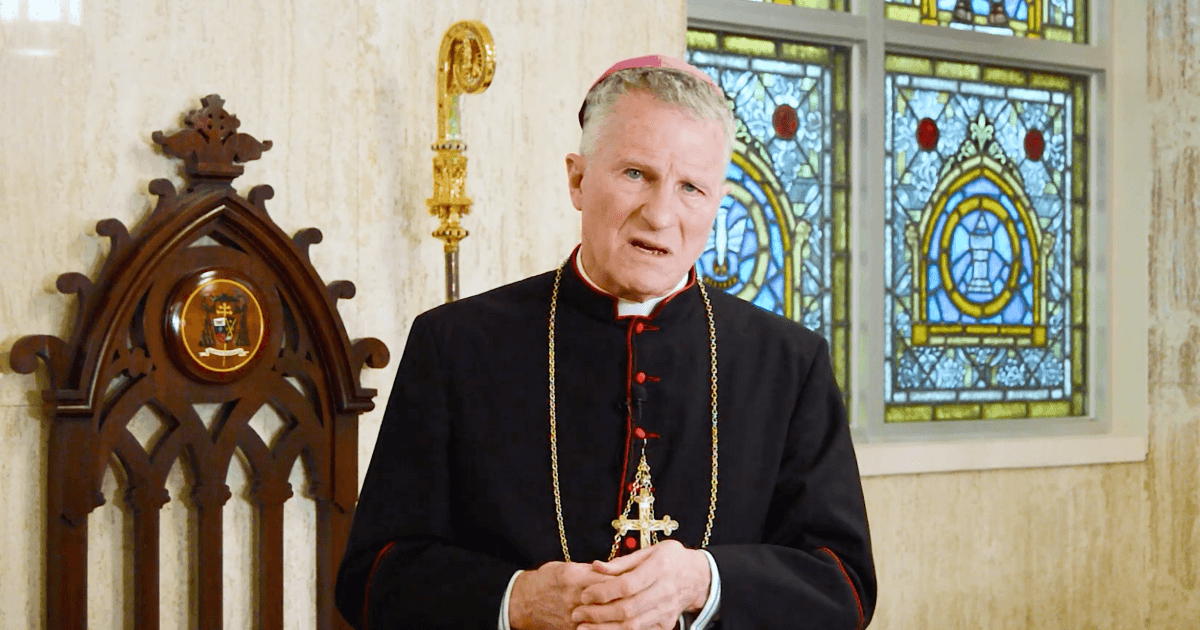
He pointed to the Paschal Candle, from which the faithful lit their own candles, as a sign of the light of the Risen Christ which “unites us in the Church as lights for the world”.

The vigil, he said, stands at the heart of the Christian year as the Church relives “the victory of the Lord of life over death and the underworld” following the solemn observances of the Passion.

Recalling the suffering of Christ as the “man of sorrows”, he asked: “Is there a greater act of charity? A more complete gift?” and added that “the risen One is the same creator of the universe who, just as he brought us into existence out of nothing at the dawn of history, also gave his life for us on the Cross to show us his boundless love.”

Reflecting on the sequence of readings proclaimed during the liturgy, the Pope traced what he described as a continuous history of salvation, beginning with creation and extending through the covenant with Abraham and the liberation of the Israelites from Egypt.

Even when humanity failed through sin, he said, “the Lord did not abandon us, but revealed his merciful face to us in an even more surprising way – through forgiveness.” The vigil, he continued, “has its roots even in the place where humanity’s first failure took place, and extends across the centuries as a path of reconciliation and grace.”

He pointed in particular to the episode in which Abraham is prevented from sacrificing Isaac, saying it reveals that God “does not desire our death”, and to the crossing of the Red Sea, where the waters became “the gateway to a new life of freedom”

 The prophetic writings, he added, present God as one who calls, renews and restores, “a bridegroom who gathers”, “a spring that quenches thirst” and “a Spirit who transforms and renews the heart”. Across these moments, the Pope said, “we have seen how God responds to the hardness of sin – which divides and kills – with the power of love, which unites and restores life.”

Turning to the New Testament, he cited St Paul’s teaching that through baptism Christians are “buried with him by baptism into death… that we too might walk in newness of life”, describing the faithful as “living stones for the building up of his Kingdom”. The vigil itself included the reception of ten catechumens into the Church, who received baptism and confirmation after what he described as a long period of preparation.

In his reflection on the Gospel account of the Resurrection, the Pope focused on the role of the women who went to the tomb, overcoming fear and grief. They expected to find the tomb sealed and guarded, he said, comparing the stone at its entrance to the effects of sin: “a heavy barrier that closes us off and separates us from God, seeking to kill his words of hope within us.” Yet, he added, “thanks to their faith and love, [they] became the first witnesses of the Resurrection.”

“Let us not allow ourselves to be paralysed by them,” he said, pointing to the example of saints and martyrs who, “with God’s help, have rolled them away – perhaps with great effort, sometimes at the cost of their lives”. Their witness, he added, shows that such transformation is not beyond reach, since they were “people like us” who acted “with the strength that God supplies”.

The Easter Vigil followed a series of liturgies during which the Pope repeatedly returned to questions of conflict, power and human suffering. On Palm Sunday he criticised those who seek to justify war in religious terms, saying that God “rejects them” and that their hands “are full of blood”.

At the Chrism Mass on Holy Thursday he warned against abuses of authority and described the Christian mission as opposed to any “imperialist occupation of the world”. The meditations for the Via Crucis on Good Friday similarly reflected on the misuse of power and expressed solidarity with those suffering..

The Pope is due to celebrate Easter Sunday Mass and deliver the Urbi et Orbi blessing, traditionally accompanied by an appeal for peace in areas of conflict. The themes articulated during the vigil – particularly the insistence that divine love can overcome division and violence – are expected to shape that address.

Concluding his homily, the Pope urged the faithful to draw inspiration from those who have gone before them, quoting St Augustine’s exhortation to “proclaim Christ” and “spread everywhere what you have conceived in your heart”. He called on those present, including the newly baptised, to take up that mission so that “the Easter gifts of harmony and peace may grow and flourish everywhere and always throughout the world”.

Before the liturgical reforms of Pope Pius XII, the Easter Vigil was commonly celebrated in the early hours of Holy Saturday morning, a practice which obscured its proper character as a nocturnal anticipation of the Resurrection and meant it did not fulfil the Sunday obligation, since the concept of an anticipated evening Mass had not yet developed. The restoration of the Vigil to its proper place during the night came with the 1955 Holy Week reforms, which sought to recover the ancient structure of the liturgy. This development was later reinforced by the promulgation of the 1983 Code of Canon Law, which formally established the widespread practice of Saturday evening anticipated Masses for Sundays and holy days.

Pope Leo XIV formally inaugurated the Easter season with the celebration of the Easter Vigil in St Peter’s Basilica, setting out a message centred on the transforming power of Christ’s resurrection and its relevance to a world marked by conflict, division and fear.

Preaching during the solemn liturgy, which began at 9pm in Rome and is traditionally regarded as the “mother of all vigils”, the Pope drew on the ancient Easter proclamation, the Exsultet, quoting its opening words, “The sanctifying power of this night dispels wickedness, washes faults away, restores innocence to the fallen… drives out hatred, fosters concord and brings down the mighty.”
He pointed to the Paschal Candle, from which the faithful lit their own candles, as a sign of the light of the Risen Christ which “unites us in the Church as lights for the world”.

The vigil, he said, stands at the heart of the Christian year as the Church relives “the victory of the Lord of life over death and the underworld” following the solemn observances of the Passion.

Recalling the suffering of Christ as the “man of sorrows”, he asked: “Is there a greater act of charity? A more complete gift?” and added that “the risen One is the same creator of the universe who, just as he brought us into existence out of nothing at the dawn of history, also gave his life for us on the Cross to show us his boundless love.”

Reflecting on the sequence of readings proclaimed during the liturgy, the Pope traced what he described as a continuous history of salvation, beginning with creation and extending through the covenant with Abraham and the liberation of the Israelites from Egypt.

Even when humanity failed through sin, he said, “the Lord did not abandon us, but revealed his merciful face to us in an even more surprising way – through forgiveness.” The vigil, he continued, “has its roots even in the place where humanity’s first failure took place, and extends across the centuries as a path of reconciliation and grace.”

He pointed in particular to the episode in which Abraham is prevented from sacrificing Isaac, saying it reveals that God “does not desire our death”, and to the crossing of the Red Sea, where the waters became “the gateway to a new life of freedom”

 The prophetic writings, he added, present God as one who calls, renews and restores, “a bridegroom who gathers”, “a spring that quenches thirst” and “a Spirit who transforms and renews the heart”. Across these moments, the Pope said, “we have seen how God responds to the hardness of sin – which divides and kills – with the power of love, which unites and restores life.”

Turning to the New Testament, he cited St Paul’s teaching that through baptism Christians are “buried with him by baptism into death… that we too might walk in newness of life”, describing the faithful as “living stones for the building up of his Kingdom”. The vigil itself included the reception of ten catechumens into the Church, who received baptism and confirmation after what he described as a long period of preparation.

In his reflection on the Gospel account of the Resurrection, the Pope focused on the role of the women who went to the tomb, overcoming fear and grief. They expected to find the tomb sealed and guarded, he said, comparing the stone at its entrance to the effects of sin: “a heavy barrier that closes us off and separates us from God, seeking to kill his words of hope within us.” Yet, he added, “thanks to their faith and love, [they] became the first witnesses of the Resurrection.”

“Let us not allow ourselves to be paralysed by them,” he said, pointing to the example of saints and martyrs who, “with God’s help, have rolled them away – perhaps with great effort, sometimes at the cost of their lives”. Their witness, he added, shows that such transformation is not beyond reach, since they were “people like us” who acted “with the strength that God supplies”.

The Easter Vigil followed a series of liturgies during which the Pope repeatedly returned to questions of conflict, power and human suffering. On Palm Sunday he criticised those who seek to justify war in religious terms, saying that God “rejects them” and that their hands “are full of blood”.

At the Chrism Mass on Holy Thursday he warned against abuses of authority and described the Christian mission as opposed to any “imperialist occupation of the world”. The meditations for the Via Crucis on Good Friday similarly reflected on the misuse of power and expressed solidarity with those suffering..

The Pope is due to celebrate Easter Sunday Mass and deliver the Urbi et Orbi blessing, traditionally accompanied by an appeal for peace in areas of conflict. The themes articulated during the vigil – particularly the insistence that divine love can overcome division and violence – are expected to shape that address.

Concluding his homily, the Pope urged the faithful to draw inspiration from those who have gone before them, quoting St Augustine’s exhortation to “proclaim Christ” and “spread everywhere what you have conceived in your heart”. He called on those present, including the newly baptised, to take up that mission so that “the Easter gifts of harmony and peace may grow and flourish everywhere and always throughout the world”.

Before the liturgical reforms of Pope Pius XII, the Easter Vigil was commonly celebrated in the early hours of Holy Saturday morning, a practice which obscured its proper character as a nocturnal anticipation of the Resurrection and meant it did not fulfil the Sunday obligation, since the concept of an anticipated evening Mass had not yet developed. The restoration of the Vigil to its proper place during the night came with the 1955 Holy Week reforms, which sought to recover the ancient structure of the liturgy. This development was later reinforced by the promulgation of the 1983 Code of Canon Law, which formally established the widespread practice of Saturday evening anticipated Masses for Sundays and holy days.

subscribe to
the catholic herald

Continue reading your article with a subscription.
Read 5 articles with our free plan.
Subscribe

subscribe to the catholic herald today

Our best content is exclusively available to our subscribers. Subscribe today and gain instant access to expert analysis, in-depth articles, and thought-provoking insights—anytime, anywhere. Don’t miss out on the conversations that matter most.
Subscribe