
December 22, 2025
December 22, 2025

Recovering the Catholic art of bodily prayer

Min read
share

It was quite a funny scene: a dozen or so university students laid flat out on the floor one moment, then repeating genuflecting the next. An unsuspecting observer might have guessed this was an aerobics class. In fact, we were doing a workshop on Catholic prayer.

I was taking the students through the Nine Ways of Prayer, a 13th-century text describing the bodily postures St Dominic adopted to express a whole range of mental prayers: humility, supplication, adoration, praise. I wanted the students to learn – through experience – that Catholic prayer has to be incarnational.
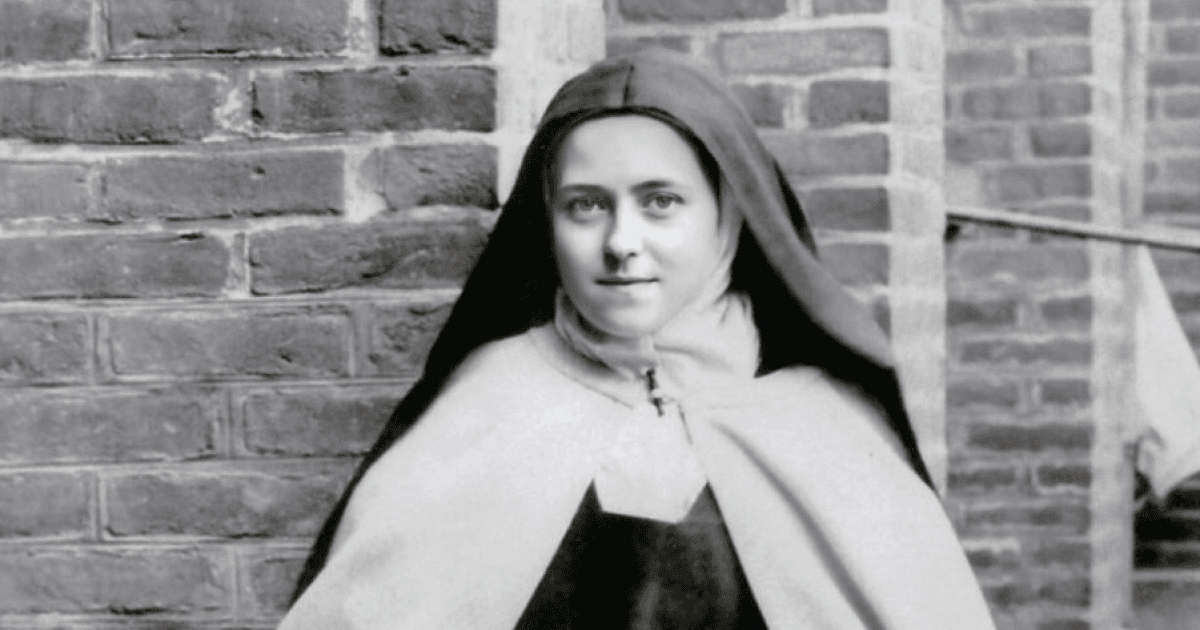
In Advent, we prepare to celebrate God’s Incarnation, how the infinite and almighty Lord took on himself the finite, flimsy flesh of a humble human being. This central tenet of Christian faith has often been a point of scandal to some who want to keep God safely at arm’s length from the messiness of matter, such as the Manichees, who thought the material world was created by an evil deity. But the Church has always defended the goodness of the body and St Dominic specifically founded the Order of Preachers to convert the Manichees of his day, called the Albigensians. Our brother St Thomas Aquinas taught: “The nature of our body was created, not by an evil principle, as the Manichees pretend, but by God. Hence we can use it for God’s service, according to Romans 6:13: ‘Present your members as instruments of justice unto God.’ Consequently, out of the love of charity with which we love God, we ought to love our bodies also” (Summa Theol. 2a2ae.25.5.). Aquinas acknowledged that the body can be a locus of sin, too, but this shouldn’t stop us loving the body; rather, by loving it, we wish it to be free from sin and corruption.

Think of all the modern ways we try to ignore our bodily nature: obviously there’s the flight to virtual reality, but also paradoxically the obesity epidemic and sexual excesses by which people abuse their body as if it doesn’t really matter. Even the idolisation of bodies can be a weird quest; the subjection of the body – “mind over matter” – with the spiritual ego spiralling out of control. This is a far cry from a healthy and balanced pursuit of athletic prowess. That’s what Fr Henri Didon meant in 1891 when he coined what would become the Olympics motto: faster, higher, stronger!

While in principle we know that Christ came to redeem our bodies as well as our souls (“I believe in the resurrection of the body”), in practice we struggle to integrate body and soul. This Advent, perhaps St Dominic’s nine ways of praying bodily might help us?

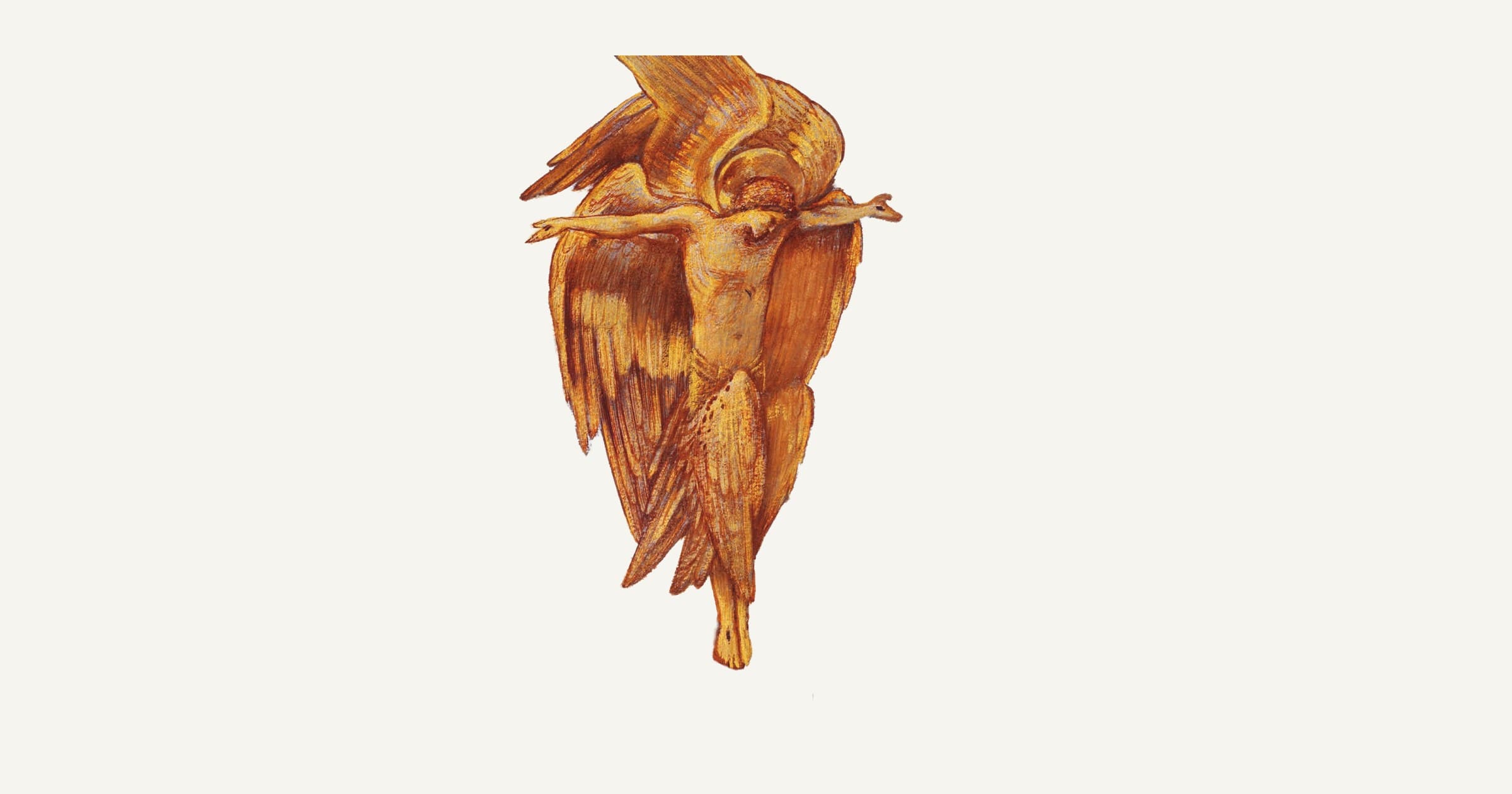
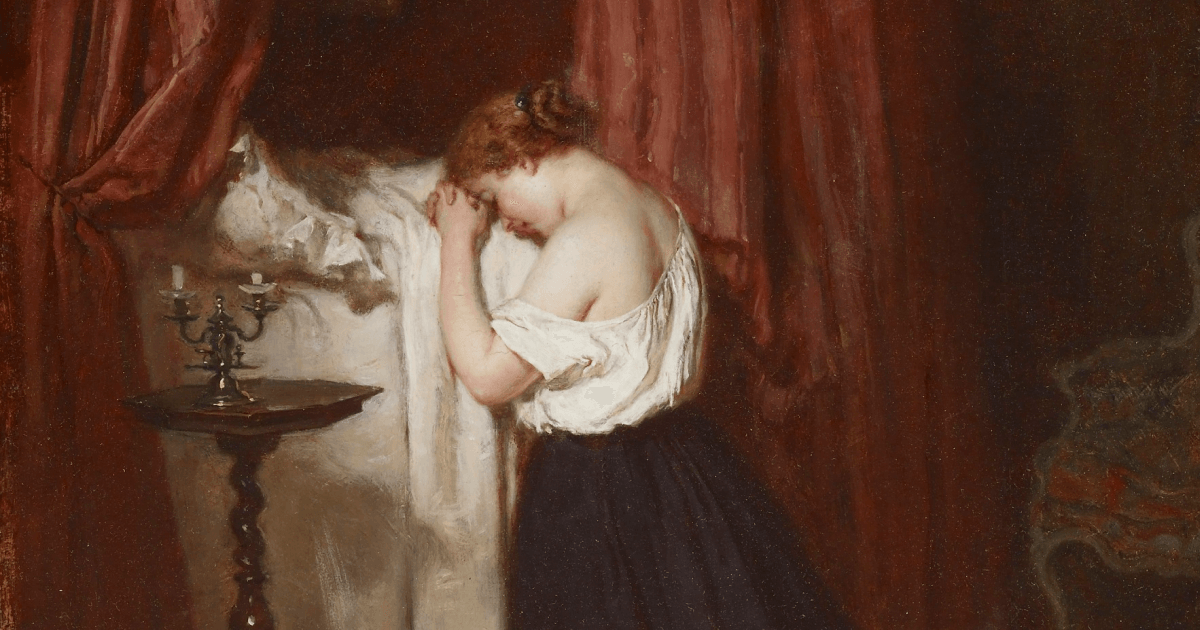
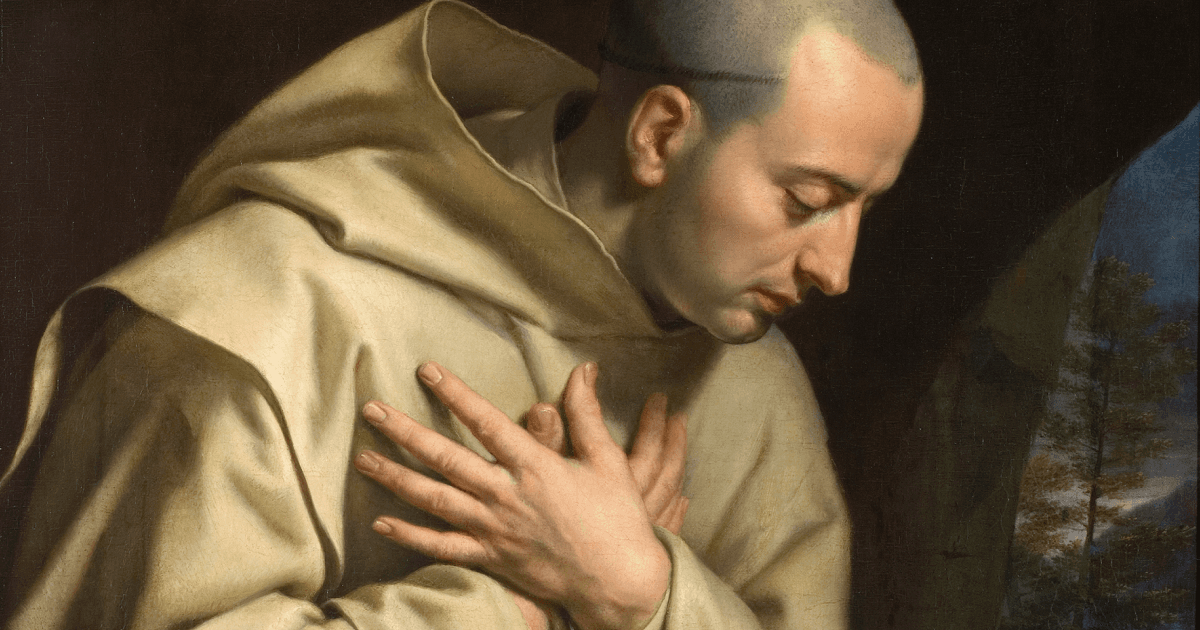
The Nine Ways are not just physical postures but also spiritual attitudes; each way is accompanied with several Scriptural passages. In the first way, Dominic bowed humbly, whether before the altar or a crucifix or during the Glory Be; this posture reminds me of Dante amid the Prideful on the first terrace of Purgatory. Second, Dominic would fall prostrate on the ground, weeping and groaning. Third, he took the “discipline”, whipping himself as a penance. Fourth, repeated genuflections, or full kneeling. Fifth, standing before the altar with his hands in various positions: open like a book, covering his eyes, open like a priest at Mass, conversing with God (Dominic always spoke “with God or about God”); sixth, with arms outstretched like a cross, imitating the Crucified; seventh, pointing upwards with hands held high like an arrow; eighth, sitting to read and pray in secret; ninth, walking along the road alone, “in a hidden intimacy with the Holy Spirit”.

The Nine Ways author makes a general point: “The soul puts the members of the body to work so that it may be carried to God with greater devotion… This kind of praying made St Dominic dissolve in intense weeping, and it so enkindled the fervor of his soul that his mind could not prevent the members of his body showing unmistakable signs of his devotion.” We learn how these private devotions were inspired by the public liturgy which Dominic “practised devoutly in choir and when he was travelling”.

Often, people think that you have to go to Eastern religions or yoga to experience the right unity of body and soul, unaware that our Catholic tradition has all these resources in it – especially at Christmas. St Nicholas gave secret gifts; St Francis invented the Christmas crib; and St Dominic offers us many ways to pray bodily as we celebrate the Incarnation. As I said to the students in the prayer workshop: do try these at home!

It was quite a funny scene: a dozen or so university students laid flat out on the floor one moment, then repeating genuflecting the next. An unsuspecting observer might have guessed this was an aerobics class. In fact, we were doing a workshop on Catholic prayer.

I was taking the students through the Nine Ways of Prayer, a 13th-century text describing the bodily postures St Dominic adopted to express a whole range of mental prayers: humility, supplication, adoration, praise. I wanted the students to learn – through experience – that Catholic prayer has to be incarnational.
In Advent, we prepare to celebrate God’s Incarnation, how the infinite and almighty Lord took on himself the finite, flimsy flesh of a humble human being. This central tenet of Christian faith has often been a point of scandal to some who want to keep God safely at arm’s length from the messiness of matter, such as the Manichees, who thought the material world was created by an evil deity. But the Church has always defended the goodness of the body and St Dominic specifically founded the Order of Preachers to convert the Manichees of his day, called the Albigensians. Our brother St Thomas Aquinas taught: “The nature of our body was created, not by an evil principle, as the Manichees pretend, but by God. Hence we can use it for God’s service, according to Romans 6:13: ‘Present your members as instruments of justice unto God.’ Consequently, out of the love of charity with which we love God, we ought to love our bodies also” (Summa Theol. 2a2ae.25.5.). Aquinas acknowledged that the body can be a locus of sin, too, but this shouldn’t stop us loving the body; rather, by loving it, we wish it to be free from sin and corruption.

Think of all the modern ways we try to ignore our bodily nature: obviously there’s the flight to virtual reality, but also paradoxically the obesity epidemic and sexual excesses by which people abuse their body as if it doesn’t really matter. Even the idolisation of bodies can be a weird quest; the subjection of the body – “mind over matter” – with the spiritual ego spiralling out of control. This is a far cry from a healthy and balanced pursuit of athletic prowess. That’s what Fr Henri Didon meant in 1891 when he coined what would become the Olympics motto: faster, higher, stronger!

While in principle we know that Christ came to redeem our bodies as well as our souls (“I believe in the resurrection of the body”), in practice we struggle to integrate body and soul. This Advent, perhaps St Dominic’s nine ways of praying bodily might help us?

The Nine Ways are not just physical postures but also spiritual attitudes; each way is accompanied with several Scriptural passages. In the first way, Dominic bowed humbly, whether before the altar or a crucifix or during the Glory Be; this posture reminds me of Dante amid the Prideful on the first terrace of Purgatory. Second, Dominic would fall prostrate on the ground, weeping and groaning. Third, he took the “discipline”, whipping himself as a penance. Fourth, repeated genuflections, or full kneeling. Fifth, standing before the altar with his hands in various positions: open like a book, covering his eyes, open like a priest at Mass, conversing with God (Dominic always spoke “with God or about God”); sixth, with arms outstretched like a cross, imitating the Crucified; seventh, pointing upwards with hands held high like an arrow; eighth, sitting to read and pray in secret; ninth, walking along the road alone, “in a hidden intimacy with the Holy Spirit”.

The Nine Ways author makes a general point: “The soul puts the members of the body to work so that it may be carried to God with greater devotion… This kind of praying made St Dominic dissolve in intense weeping, and it so enkindled the fervor of his soul that his mind could not prevent the members of his body showing unmistakable signs of his devotion.” We learn how these private devotions were inspired by the public liturgy which Dominic “practised devoutly in choir and when he was travelling”.

Often, people think that you have to go to Eastern religions or yoga to experience the right unity of body and soul, unaware that our Catholic tradition has all these resources in it – especially at Christmas. St Nicholas gave secret gifts; St Francis invented the Christmas crib; and St Dominic offers us many ways to pray bodily as we celebrate the Incarnation. As I said to the students in the prayer workshop: do try these at home!

share

subscribe to the catholic herald today

Our best content is exclusively available to our subscribers. Subscribe today and gain instant access to expert analysis, in-depth articles, and thought-provoking insights—anytime, anywhere. Don’t miss out on the conversations that matter most.
Subscribe