




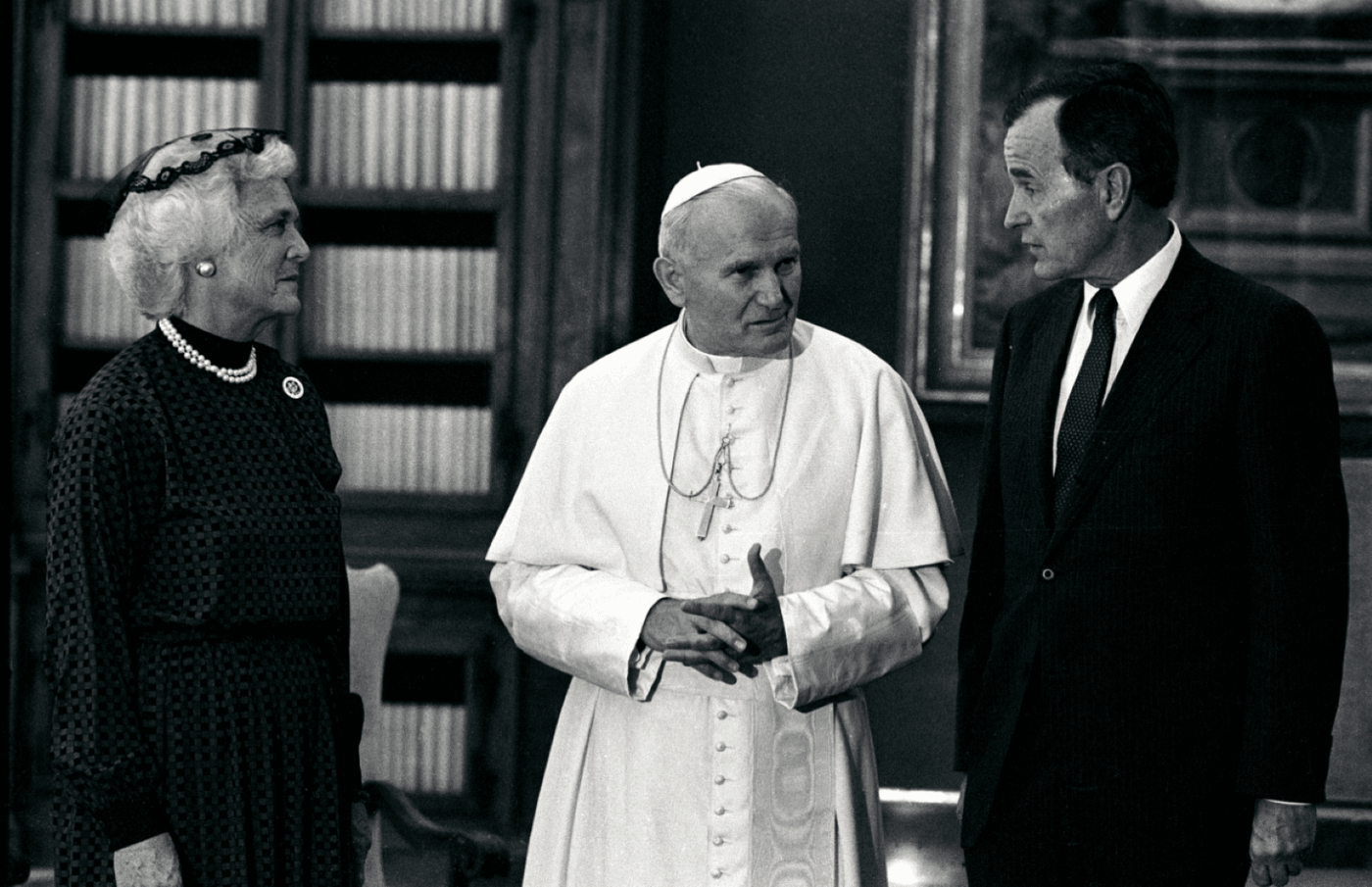
It is unfortunate that the most important encyclical of Pope St John Paul II’s prodigious output, Veritatis Splendor, is as relevant today as when it was promulgated 30 years ago. To be sure, aspects of it have perennial relevance, regardless of the era. Especially in its teaching on freedom and conscience, the encyclical is an illuminating exposition of the richness of Catholic moral theology, rooted in nature and burnished by grace. Those aspects of the letter are timeless. But the occasion for writing Veritatis Splendor was to address dubious trends in then-proliferating moral theology that one wishes would have been consigned to the ash heap of theological errors. To the contrary, alas, the specific theories that the pope condemned have crept from academic speculation to purported magisterial proclamation.
2:33 PM
Redefining moral error: The continuing relevance of Veritatis Splendor
it is unfortunate that the most important encyclical of pope st john paul ii’s prodigious output, veritatis splendor , is as relevant today ...
Ken Craycraft

5 min read



Already a subscriber? Sign in
5freearticles every month
Continue reading with a free account. No card needed.
- Five free articles every thirty days, on any device you sign in on
- The Catholic Herald newsletter, every morning
- Subscribe whenever you like for everything: every article and the magazine



.png&w=3840&q=75)

subscribe to the catholic herald today
Our best content is exclusively available to our subscribers. Subscribe today and gain instant access to expert analysis, in-depth articles, and thought-provoking insights—anytime, anywhere. Don’t miss out on the conversations that matter most.
Subscribe



