July 25, 2026

Rumours of Catholic Ireland’s death are exaggerated

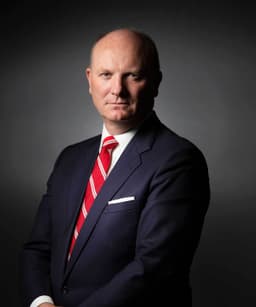
Declan J. Ganley
More
Related
Min read
share

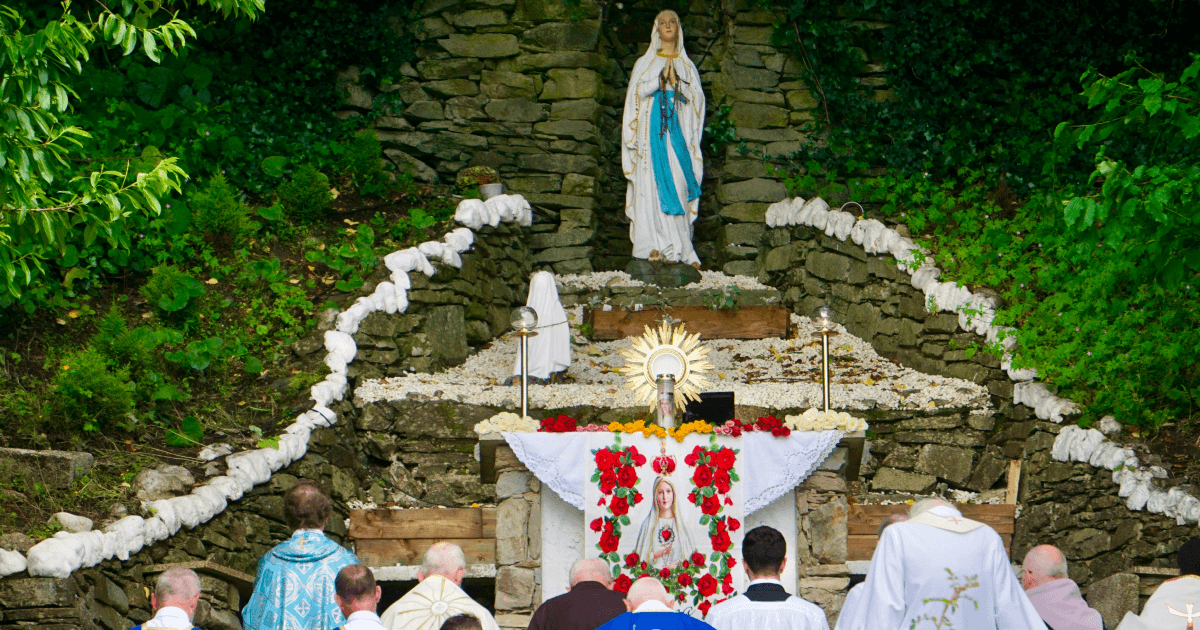
Last month more than 13,000 people gathered at Knock for the All-Ireland Rosary Rally. It was the largest such assembly since Pope Francis visited the west of Ireland shrine on a “soft” day in 2018. The rosary rally saw young families, teenagers carrying rosaries, older men and women who have kept the Faith through thinner years: they filled the shrine grounds and the basilica. Archbishop Eamon Martin spoke of joy and hope. He was right to do so.

Just a few days ago, on July 20, American priest Fr Mike Schmitz brought his Parables Tour to Dublin. He packed St Kevin’s Church on Harrington Street to the rafters for Mass and then drew a crowd of approximately 1,600 to the Dolphins Barn boxing arena. The audiences were predominantly younger people – another clear sign that something is stirring.
I have spent most of my life watching the Irish Church contract. The faith of my childhood in the rural west was, as I once put it, three miles wide and half an inch deep. Then came the scandals, the institutional collapse, the cultural surrender, the wind-chime “meditations” in place of the Mass, the near-total loss of the Religious. For a generation the narrative has been one of inevitable decline and perhaps extinction. The establishment – political, media and, sadly, some within the Church itself – has treated that disappearance as both inevitable and desirable.

Yet something is stirring. In my own diocese I see young men appearing at Adoration who were not there five years ago. New and better choir groups are appearing. There are some early but exciting new developments in Catholic education. Families from Nigeria and Kerala fill the pews of cathedrals that many native Irish once abandoned, bringing with them a serious, unembarrassed Catholicism. The alternatives – consumerism, therapeutic individualism and the soft totalitarianism of the administrative state – have been tried. They have produced loneliness, plummeting birth rates and a peculiar spiritual exhaustion. Young people notice.

Importantly, the younger people being drawn back are generally looking for more orthodoxy, a solid foundation in the Faith rather than something diluted or provisional. They want the real thing. Fr Schmitz’s packed events in Dublin this week underline the point: clear, confident teaching of the Gospel still draws a crowd, especially among the young. To that end, the more casual or relaxed approach to the liturgy that has taken hold over the last 40 years or so might usefully be looked at by the Irish Church. This is not a call for rigid traditionalism or a return to any particular form. It is simply a humble suggestion that a little more clarity and order would help. Perhaps including a short note in the Mass leaflets on when the congregation should stand, sit and kneel would be helpful. A polite reminder that certain words in the Mass are reserved to the priest alone, and are not to be said by the people, would also do no harm. None of this is about blame. No particular fault attaches to anyone; the habits simply crept in over time. It is more in the nature of a nip and tuck, tidying up some of the sloppiness so that we can get fit again, because we are coming back onto the pitch.

This is not yet a restoration. Vocations remain critically low. Many parishes are on life support. The same establishment that once used the language of “compassion” to dismantle the Eighth Amendment now finds ways to withhold uncomfortable crime statistics and to look the other way when children go missing from state care. Empathy, it turns out, is highly selective. The Church’s historical sins are endlessly rehearsed; the contemporary failures of the secular order are treated as unfortunate weather.

Still, the Knock rally, Fr Schmitz’s packed Dublin events and the quieter signs around the country matter. They are evidence that the Holy Spirit has not abandoned the Emerald Isle. The Church that once evangelised Europe from places like Clonmacnoise and Glendalough is not finished. It is being pruned. What grows back may be smaller, more intentional and, God willing, deeper.

I do not romanticise the past. The old Irish Catholicism had its weaknesses. But it possessed something our present culture has almost lost: the conviction that truth is not a social construct and that the human person is made for more than comfort and safety. That conviction is returning among a generation that has tasted the emptiness of the alternatives.

The task now is not to mourn what has been lost, but to tend what is already growing, and to present it, in liturgy and in life, with the clarity and reverence these young people are seeking. The rumours of the death of Catholic Ireland were always exaggerated. The real question is whether we have the courage to act as if that is true.

Continue reading with a free account

Create a free account to read up to five articles each month
Create free account

You have # free articles remaining this month.

Subscribe to get unlimited access.
Sign up

subscribe to the catholic herald today

Our best content is exclusively available to our subscribers. Subscribe today and gain instant access to expert analysis, in-depth articles, and thought-provoking insights—anytime, anywhere. Don’t miss out on the conversations that matter most.
Subscribe