The Bishop of Savannah has called on Catholics to become “joyful witnesses” to the faith as the Church in the American South prepares for the beatification of the Georgia Martyrs later this year. Speaking ahead of the ceremony, Bishop Stephen Parkes said the witness of the five 16th-century missionaries remains strikingly relevant in an age when Christian teaching is often misunderstood or resisted.
The beatification, due to take place on 31 October, will mark a rare moment in the life of the Diocese of Savannah, which is preparing to host pilgrims for what Bishop Parkes described as an unusually significant occasion. Cardinal Francis Leo of Toronto is set to preside at the liturgy. Parkes said the diocese is still finalising plans and searching for a venue capable of receiving the large numbers expected.
He noted that the celebration will be the first beatification of its kind in the American South, adding to the sense of anticipation surrounding the event. Savannah, he said, hopes to welcome visitors generously for an occasion that is historic in character.
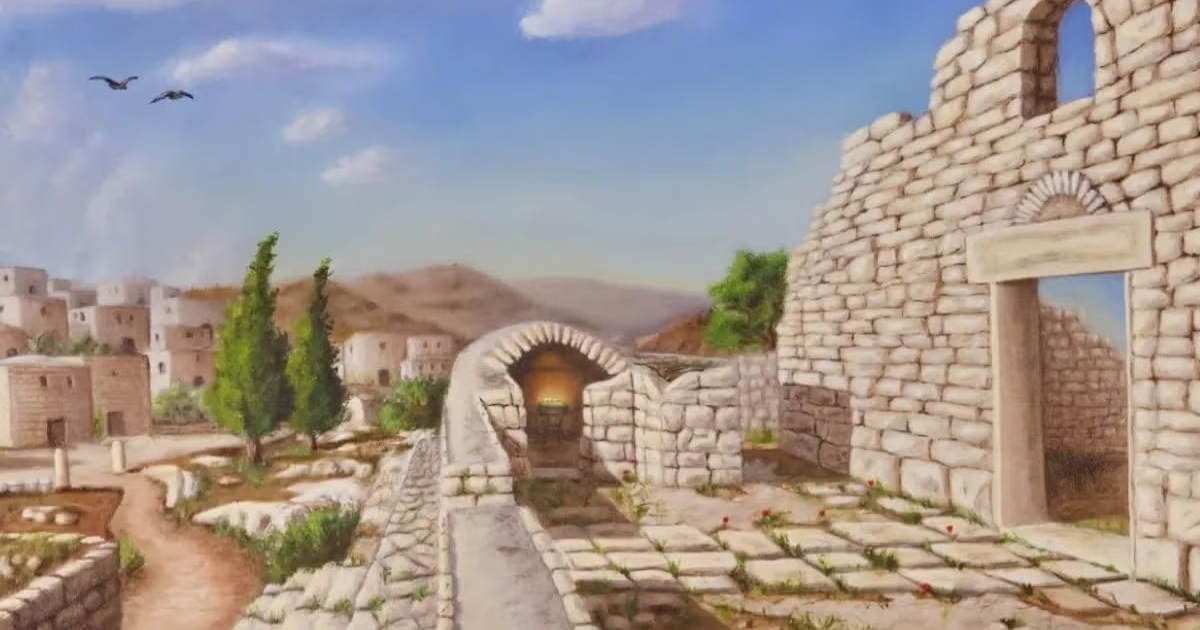
The men to be beatified are five Spanish Franciscan missionaries killed in 1597 in what is now Georgia: Fr Pedro de Corpa, Fr Blas Rodríguez, Fr Miguel de Añon, Br Antonio de Badajóz and Fr Francisco de Veráscola. Their deaths have long been remembered by Catholics as a witness to the faith in the early missionary history of what would become the United States.
Bishop Parkes described them as men who gave their lives in defence of the sacrament of marriage while engaged in the evangelisation of indigenous peoples. Their cause for canonisation began formally in 1950 and gathered greater momentum in the 1980s. A decisive step came in January 2025, when Pope Francis recognised them as martyrs killed for Christ, clearing the way for beatification.
Once beatified, they will be known formally as Blessed Pedro de Corpa and Companions, though they are more commonly referred to as the Georgia Martyrs. For the local Church, the forthcoming ceremony is being seen not only as a landmark in the cause itself but as a moment of renewal for Catholic life in the region.
Asked what contemporary Catholics might learn from them, Parkes said their example points above all to the need for courage joined to joy. Catholics, he argued, are called to witness publicly to the faith even when their convictions are not easily accepted by the wider culture.
He linked that witness in particular to the defence of marriage and family life, saying these remain central goods for the Church to uphold in society. In a world marked by instability and shallow certainties, he suggested, the martyrs remind the faithful that Christianity offers something lasting and solid.
For Savannah, then, the beatification is an invitation to recover the boldness of earlier generations of missionaries and to see in their sacrifice a model for Christian fidelity in the present day.