

The US Department of Justice has indicted the Southern Poverty Law Center (SPLC) on multiple fraud charges after an April indictment in Alabama, raising fresh concerns among traditionalist Catholics that the organisation’s widely cited “hate group” designations – long relied upon by federal and intelligence agencies, including the FBI – may have been tainted by financial misconduct and ideological bias.
On April 21, 2026, a federal grand jury in the Middle District of Alabama returned an 11-count indictment charging the Montgomery-based Southern Poverty Law Center with wire fraud, bank fraud, making false statements to a bank and conspiracy to commit money laundering. Prosecutors allege that, between 2014 and 2023, the SPLC secretly funnelled more than $3 million in donor funds to members and leaders of white supremacist and extremist groups – including figures linked to the Ku Klux Klan and the 2017 Unite the Right rally in Charlottesville – while publicly presenting itself as their chief opponent.
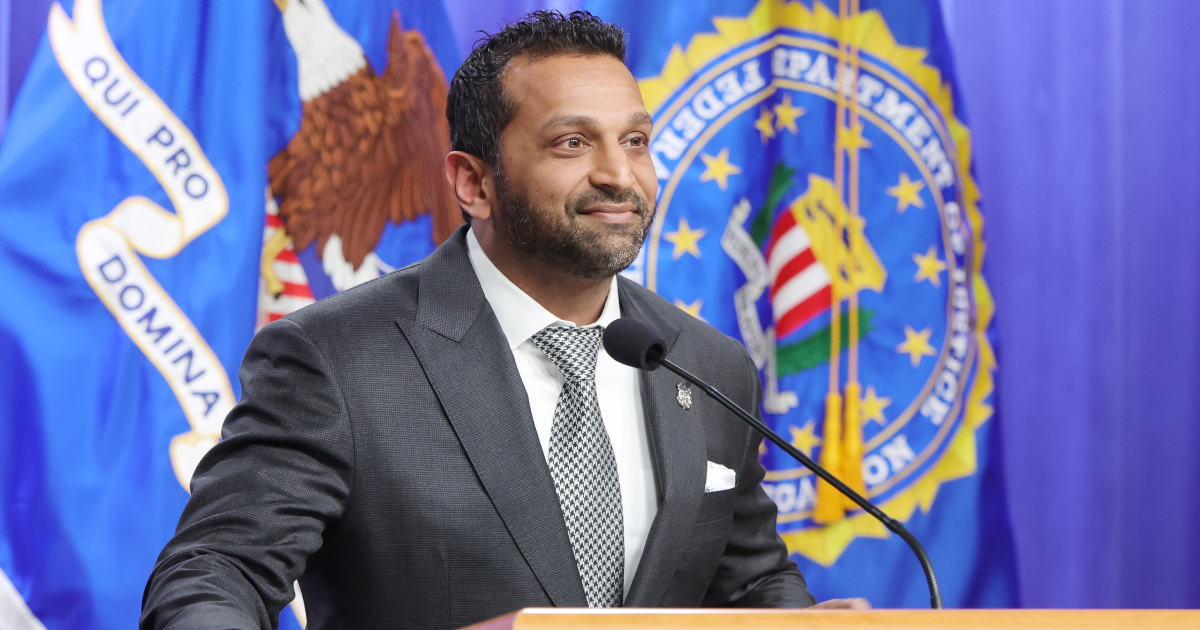
The charges, announced by Todd Blanche, Acting Attorney General, alongside Kash Patel, Director of the FBI, centre on the SPLC’s use of paid informants within the very organisations it tracked and fundraised against. According to the indictment, the group allegedly concealed these payments from donors and financial institutions, using shell accounts and other mechanisms to disguise the transfers. Specific examples cited include payments exceeding $1 million to one National Alliance affiliate, $300,000 to an Aryan Nations associate, and substantial sums to other individuals described as former KKK members or leaders of extremist factions.
For many traditionalist Catholics, the development carries particular weight. The SPLC has for years listed various “radical traditionalist Catholic” entities – often those attached to the Traditional Latin Mass or critical of post-Vatican II developments – among its catalogue of hate groups, placing them alongside neo-Nazis and the Ku Klux Klan. These designations featured prominently in an internal FBI memorandum produced by the bureau’s Richmond Field Office in January 2023. That document portrayed adherents of “radical-traditionalist Catholic ideology” as potential recruits for racially or ethnically motivated violent extremists, suggested “mitigation opportunities” including source development within Catholic communities, and drew explicitly on SPLC material.
The Richmond memo, later retracted after public outcry, was circulated more widely within the FBI than initially acknowledged and contributed to perceptions of unwarranted scrutiny of faithful Catholics who prefer the pre-conciliar liturgy or express traditional doctrinal views. Congressional oversight, including inquiries led by then-Senator Chuck Grassley, later revealed the extent to which the FBI had relied on SPLC sourcing when assessing Catholic communities in Virginia and potentially elsewhere. Critics argued that such reliance risked conflating orthodox religious practice with extremism.
The SPLC has long defended its monitoring work as essential to combating genuine hatred. In response to the indictment, the organisation described the charges as politically motivated and insisted that payments to informants had provided valuable intelligence on extremist activities, though it maintained it no longer employs such methods. Acting Attorney General Blanche rejected suggestions of partisanship, describing the alleged conduct as “egregious” and emphasising the need to protect donor trust.
The case arrives amid broader scrutiny of the SPLC’s practices. Conservative and religious organisations have repeatedly accused the group of inflating “hate” statistics for fundraising purposes and applying the label selectively against pro-life, pro-family and traditional Christian viewpoints. The indictment does not directly address the SPLC’s hate-group listings, but it raises questions about the integrity of the data and methodologies underpinning them. Traditionalist Catholics have particular reason for vigilance.
The 2023 FBI memo’s focus on communities devoted to the Latin Mass – many of which have faced additional pressures from within the Church under Traditionis Custodes – underscored how external advocacy groups can influence law-enforcement priorities. With the SPLC now facing serious criminal allegations, Catholics committed to the Church’s historic liturgy and teachings may reasonably ask whether past surveillance efforts rested on compromised foundations.
The indictment is the latest chapter in the SPLC’s troubled recent history, which has included internal turmoil, high-profile departures and accusations of financial opacity.