



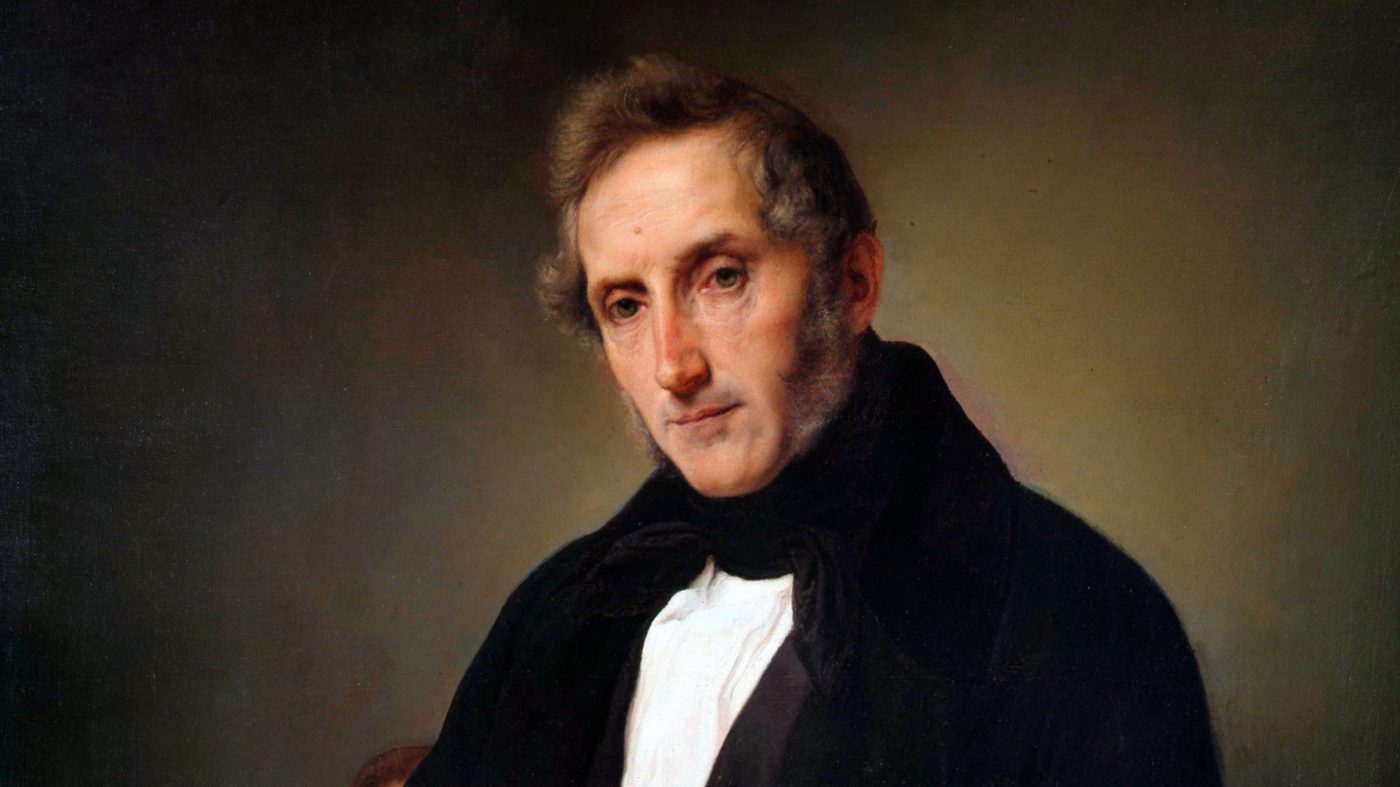
“In times of pandemic,” Pope Francis said on March 15, “[priests] mustn’t be the Don Abbondio of the situation.” The Pope’s words will probably mean very little to anybody except Italians because they refer to a character in Alessandro Manzoni’s novel, I Promessi Sposi (The Betrothed), which is scandalously neglected beyond the Italian-speaking world. The indubitable classic of Italian literature, second only to Dante’s Divine Comedy, Manzoni’s masterpiece, first published almost 200 years ago, is on the curriculum of every Italian high school. Don Abbondio, to whom the Pope referred, is a priest in the novel who lacks the courage of what few convictions he has, his cowardice causing great suffering to those in his flock, especially the betrothed couple, Renzo and Lucia. Apart from recalling the sort of priest who is all too common in every age of the Church’s history, the Pope’s reference to Manzoni’s novel would have resonated with Italians because of its connection with the plague that hit northern Italy in the early 17th century, and which forms the focus of part of the novel’s plot. With Italy beset by the coronavirus, and with the areas of northern Italy in which the novel is set being particularly hard hit by this new pestilence, Italians could hardly avoid seeing parallels between Manzoni’s historical fiction and modern Italy’s present plight. Of the three chapters of The Betrothed which deal with the plague, two could be described more as a historical narrative of the plague itself, a work of non-fiction, so to speak, and only the third takes up the plot of the story. This is a large part of Manzoni’s singular literary technique, in which he weaves known facts into his fictional narrative in ways which slow the plot to plodding pace, without its becoming bogged down in too much detail, none of which appears to be extraneous to the story. As Manzoni declares at the outset of his lengthy discussion of the plague, “Our aim in this account is not only frankly to represent the conditions in which our characters will find themselves, but to make known at the same time, as far as our restricted space and limited abilities allow, a page of local history which is more celebrated than it is known.” At the outset of the discussion of the plague of 1630, we are told of the earlier plague of 1576, which had become known as the San Carlo plague, in honour of St Charles Borromeo who was the Cardinal Archbishop of Milan at the time and whose heroic sanctity in helping the plague victims was universally acknowledged:
3:45 PM
'Such is the power of charity!' Manzoni's novel of the plague
Joseph Pearce

5 min read



Already a subscriber? Sign in
5freearticles every month
Continue reading with a free account. No card needed.
- Five free articles every thirty days, on any device you sign in on
- The Catholic Herald newsletter, every morning
- Subscribe whenever you like for everything: every article and the magazine

subscribe to the catholic herald today
Our best content is exclusively available to our subscribers. Subscribe today and gain instant access to expert analysis, in-depth articles, and thought-provoking insights—anytime, anywhere. Don’t miss out on the conversations that matter most.
Subscribe



