
February 12, 2026

The Anjem Choudary verdict is an embarrassment for the BBC

Fr Alexander Lucie-Smith
More
Related
Min read
share

Readers may well remember the career of the odious Nazi Julius Streicher, the man who was behind the most virulent anti-Semitic propaganda of the Nazis and the editor of the paper Der Sturmer.

Streicher was a propagandist, never a soldier, and never an organiser of the Final Solution, but, as the man who demonised the Jews, he made the Holocaust possible. After the war, he was found guilty of crimes against humanity at Nuremberg, and was executed.

The verdict handed down to Streicher was unquestionably correct. He inspired, encouraged and facilitated the Holocaust and certainly made common cause with its perpetrators.
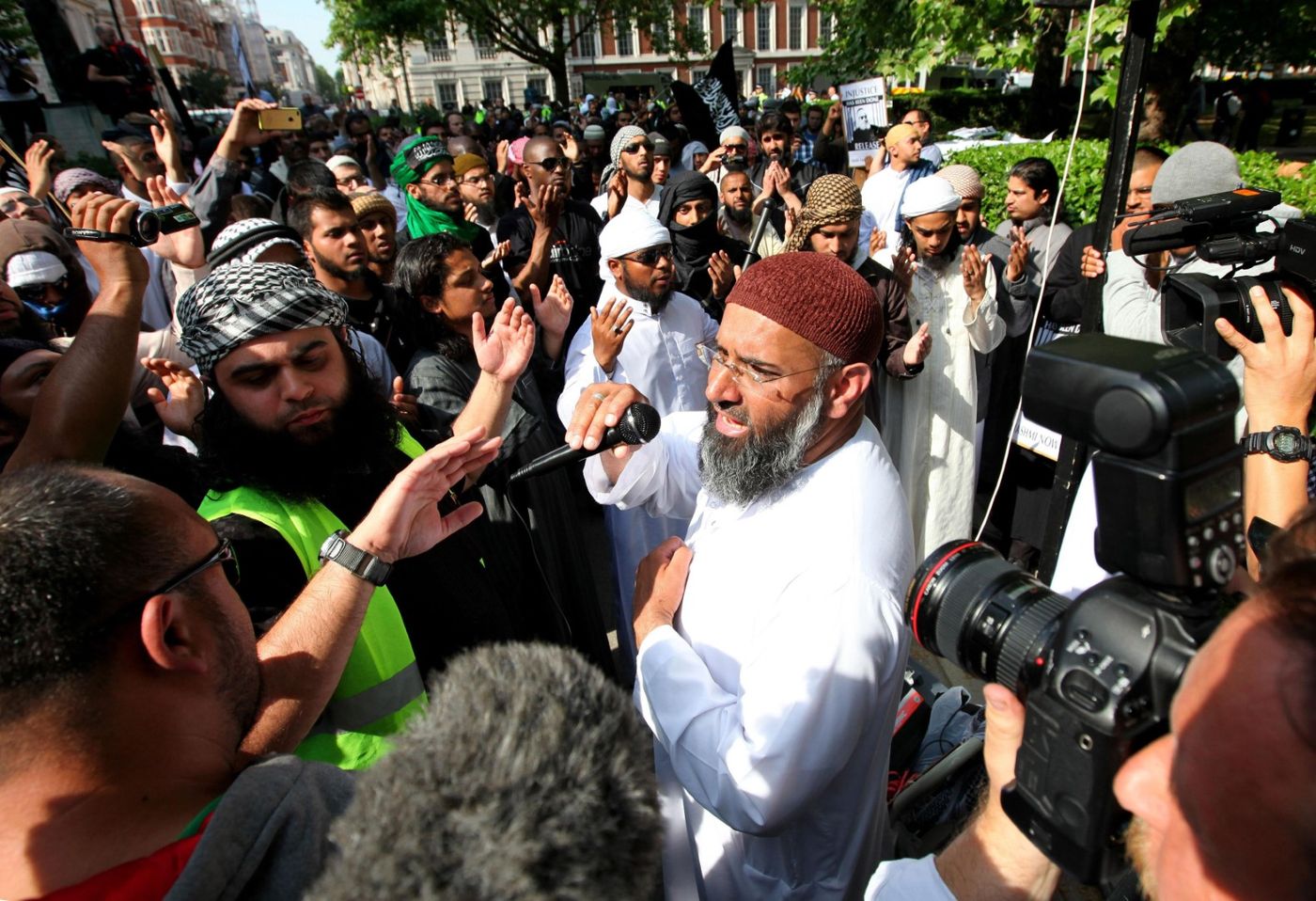
Now we have the modern parallel: Anjem Choudary has been found guilty of the crime of supporting the so-called Islamic State. He certainly made common cause with the perpetrators of terror, oppression and murder, and was an apologist for murder.

His conviction is not really a cause for rejoicing. As in the case of Abu Hamza's deportation, as well as other notorious preachers of hate such as Omar Bakri Mohammed, one is left wondering why it took so long. It was obvious to every impartial observer that Choudary was using the cover of British law to undermine the British state. Why was he not taken at his word, and arrested for high treason? Why was he left unhindered for so long, and able to persuade so many? His two-decade career of propagandising for murder, and for making a volatile situation much worse, are a great reproach to the British legal system.

Moreover, why did Twitter not ban his account until just recently? (It seems finally to have disappeared – too little, too late.) Why was he allowed to use the platform of YouTube? Why was he a frequent guest on the BBC? All these are surely deeply embarrassing questions. The defence that he had done nothing wrong, or that he was entitled to free speech, can hardly justify giving him such copious amounts of the oxygen of publicity.

The embarrassment caused by Choudary now needs to be considered, if our legal system is to recover some of its prestige and if our broadcasters are to look a little less foolish, and both are not to repeat the same mistakes in future. Moreover, social media platforms need to take their responsibilities seriously.

ISIS has been greatly helped in its recruitment of new operatives and in its campaign to spread lies and hatred by various forms of social media. Julius Streicher used newspapers, the technology of the pre-war years; now technology has moved on, and the forces of law and order (who so woefully failed to tackle Streicher before the Nazis came to power) need to catch up.

The people most damaged by Choudary are the victims of ISIS. After them, though, the greatest harm has been suffered by Muslims in Britain: as self-appointed spokesman for Islam, Choudary has brought it into disrepute. Of course, we know that the vast majority of Muslims are not like him – but even so, just to have the man associated with the Muslim name, however subliminally, is not good publicity for the faith.

Choudary will spend perhaps a decade at most in jail. He may well think that is a small price to pay for the huge damage he has done to this country and to religious relations within it. He may well judge his two-decade career of spreading fear and loathing as a success. It will take many years of hard work to undo the damage he has done.

Readers may well remember the career of the odious Nazi Julius Streicher, the man who was behind the most virulent anti-Semitic propaganda of the Nazis and the editor of the paper Der Sturmer.

Streicher was a propagandist, never a soldier, and never an organiser of the Final Solution, but, as the man who demonised the Jews, he made the Holocaust possible. After the war, he was found guilty of crimes against humanity at Nuremberg, and was executed.

The verdict handed down to Streicher was unquestionably correct. He inspired, encouraged and facilitated the Holocaust and certainly made common cause with its perpetrators.
Now we have the modern parallel: Anjem Choudary has been found guilty of the crime of supporting the so-called Islamic State. He certainly made common cause with the perpetrators of terror, oppression and murder, and was an apologist for murder.

His conviction is not really a cause for rejoicing. As in the case of Abu Hamza's deportation, as well as other notorious preachers of hate such as Omar Bakri Mohammed, one is left wondering why it took so long. It was obvious to every impartial observer that Choudary was using the cover of British law to undermine the British state. Why was he not taken at his word, and arrested for high treason? Why was he left unhindered for so long, and able to persuade so many? His two-decade career of propagandising for murder, and for making a volatile situation much worse, are a great reproach to the British legal system.

Moreover, why did Twitter not ban his account until just recently? (It seems finally to have disappeared – too little, too late.) Why was he allowed to use the platform of YouTube? Why was he a frequent guest on the BBC? All these are surely deeply embarrassing questions. The defence that he had done nothing wrong, or that he was entitled to free speech, can hardly justify giving him such copious amounts of the oxygen of publicity.

The embarrassment caused by Choudary now needs to be considered, if our legal system is to recover some of its prestige and if our broadcasters are to look a little less foolish, and both are not to repeat the same mistakes in future. Moreover, social media platforms need to take their responsibilities seriously.

ISIS has been greatly helped in its recruitment of new operatives and in its campaign to spread lies and hatred by various forms of social media. Julius Streicher used newspapers, the technology of the pre-war years; now technology has moved on, and the forces of law and order (who so woefully failed to tackle Streicher before the Nazis came to power) need to catch up.

The people most damaged by Choudary are the victims of ISIS. After them, though, the greatest harm has been suffered by Muslims in Britain: as self-appointed spokesman for Islam, Choudary has brought it into disrepute. Of course, we know that the vast majority of Muslims are not like him – but even so, just to have the man associated with the Muslim name, however subliminally, is not good publicity for the faith.

Choudary will spend perhaps a decade at most in jail. He may well think that is a small price to pay for the huge damage he has done to this country and to religious relations within it. He may well judge his two-decade career of spreading fear and loathing as a success. It will take many years of hard work to undo the damage he has done.

subscribe to
the catholic herald

Continue reading your article with a subscription.
Read 5 articles with our free plan.
Subscribe

subscribe to the catholic herald today

Our best content is exclusively available to our subscribers. Subscribe today and gain instant access to expert analysis, in-depth articles, and thought-provoking insights—anytime, anywhere. Don’t miss out on the conversations that matter most.
Subscribe