


August 26, 2026

Calls for better palliative care grow amid assisted suicide debate

Corrie Douglas-Young
More
Related
Min read
share

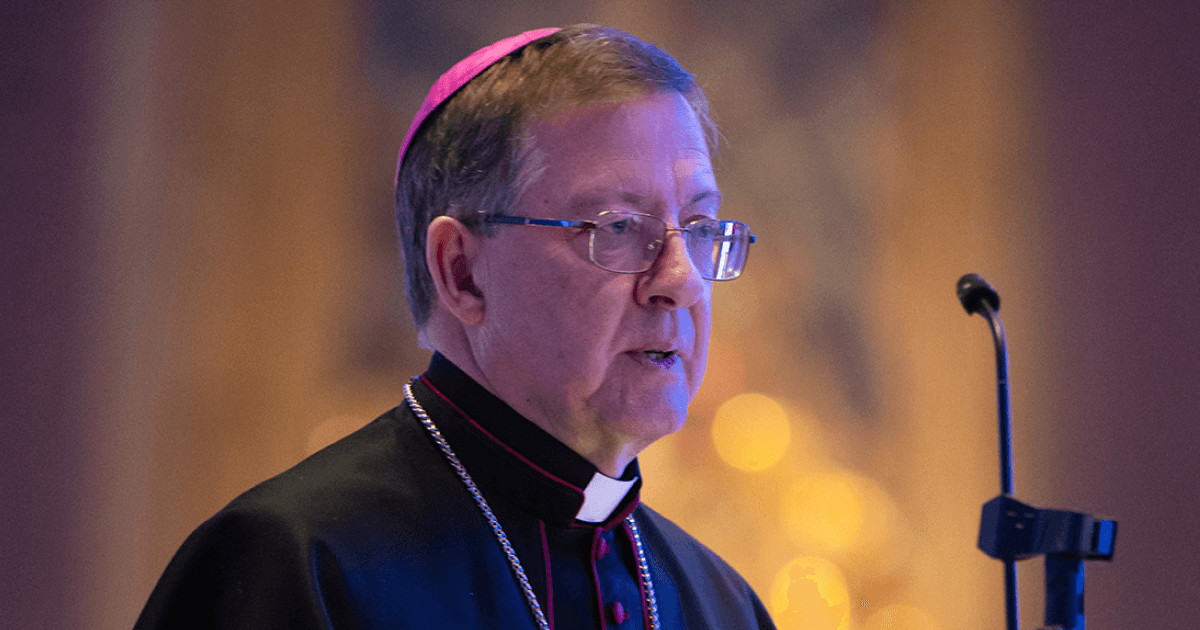
Archbishop John Sherrington of Liverpool has joined professional medical bodies in stating that the Bill which seeks to introduce assisted suicide “does not contain sufficient safeguards against coercion or protect vulnerable people”. Calling the practice wrong in principle, he also noted that disabled people, those with eating disorders and victims of domestic abuse could be particularly vulnerable if it were to be introduced.

The debate, which has dominated discourse since the Bill was reintroduced, has also drawn attention to what many have called a problematic lack of funding for palliative care in the UK, prompting calls for greater priority to be given to it instead.

The Terminally Ill Adults (End of Life) Bill, which will have its second reading and vote on September 11, would legalise assisted suicide for people aged 18 and over who are expected to die within six months. However, the archbishop noted that the broadening in scope that has generally followed in countries which introduce assisted suicide has led to it being provided to people who are not terminally ill.

Archbishop Sherrington said the upcoming vote “will shape the future of care for the most vulnerable members of our society” and that the Bishops’ Conference of England and Wales remains opposed to the Bill in both principle and practice.

He said: “It is wrong in principle that medical professionals should be involved in ending the lives of their patients. Furthermore, this Bill does not contain sufficient safeguards against coercion or protect vulnerable people, including disabled people, those with eating disorders, and victims of domestic abuse. These concerns are shared by disability rights groups and organisations that support people with eating disorders.”

He also cited a number of professional medical bodies which have either opposed or raised concerns about the Bill, including the Royal College of Psychiatrists, the Association for Palliative Medicine and the British Medical Association.

“The experience of other countries shows that, once assisted suicide is legalised, its scope can broaden, often dramatically, to include groups who suffer from mental health problems and others who are not terminally ill,” he said.

The archbishop also noted that many health and social care professionals are vulnerable and lack job security, and stated that the Bill does not adequately protect their conscience rights.

“The Bill fails to provide an institutional opt-out for hospices and care homes that do not wish to participate. This could lead to the closure of many organisations that provide compassionate care at the end of life,” he said.

The present state of palliative care was raised last month by Prime Minister Andy Burnham, who stated that increased funding for such care was required before assisted suicide should be considered for introduction. Burnham said it was “very challenging” to introduce the debate on assisted suicide “in a context of people not receiving that care and having the peace of mind about that care”.

Dr Karen Groves MBE, who qualified as a doctor in the early days of the modern hospice and palliative care movement, reflected that at the time pain and other symptoms were poorly managed due to lack of knowledge. “There was a lot of fear among the public and health professionals about the use of morphine, and also of speaking to people about their illness and what to expect in the future. It just wasn’t done in those days,” she said.

As part of the wider palliative care movement, she founded Queenscourt Hospice in Southport in the late 1980s. Since then, she has seen significant progress as hospice and specialist palliative care services have been integrated into healthcare. She has advocated for a “continuity of care” so that those services are provided consistently and appropriately across a number of care settings.

“It’s a huge challenge, but it’s taken many years of work to build relationships with all other local services, and those are really important so that everything’s knitted together, and that provides the continuity of care,” she said. “It’s made a big difference to the number of people who are able to stay in their own homes.”

However, she also echoed the Prime Minister in noting the financial challenges facing hospice providers, and described his wish to fix palliative social care as “music to my ears and the ears of all those who are struggling to get the care that they need, where they need it, and when they need it”.

She noted that, while finance for all hospices varies, they share similarities. In Queenscourt, 24 per cent of funding comes from government sources such as the NHS, but the remaining 76 per cent of its £7 million annual running costs has to be raised by local people as part of a small fundraising team each year through means such as donations, grants, legacies, events and coffee mornings.

Dr Groves said: “After 40 years of fundraising, this is getting more and more difficult as government funding has not risen with inflation. Increased employer National Insurance contributions and energy and supplies costs have been crippling. Annual average legacy income has reduced from £1.25 million a year to £250,000. Reduced high street footfall has affected retail income from hospice shops, and other very worthy charitable fundraising in the town has had a huge impact.

“The government has made many tranches of money available over the years, indeed some recently, but this is always restricted to capital costs. They’re one-off tranches – refurbishment, rebuilding and those sorts of things. It’s not allowed to be used for running costs, which is really what is most needed.”

She said that “some joined-up thinking, good organisation of services, continuity of care, excellent communication and a flow of sufficient finance to support it” would allow those who have ideas to improve palliative care to implement them and for those who require the services to “benefit hugely”.

“There’s loads that needs to be done”, she said.

In his statement, Archbishop Sherrington encouraged wider society to “focus on how we can preserve and promote high quality and compassionate end-of-life care for all”.

“If we were to legalise the provision of medical assistance in suicide, it would mark a significant change in our culture. I call upon all people of goodwill to oppose this flawed and dangerous Bill.”

Continue reading with a free account

Create a free account to read up to five articles each month
Create free account

You have # free articles remaining this month.

Subscribe to get unlimited access.
Sign up

subscribe to the catholic herald today

Our best content is exclusively available to our subscribers. Subscribe today and gain instant access to expert analysis, in-depth articles, and thought-provoking insights—anytime, anywhere. Don’t miss out on the conversations that matter most.
Subscribe