
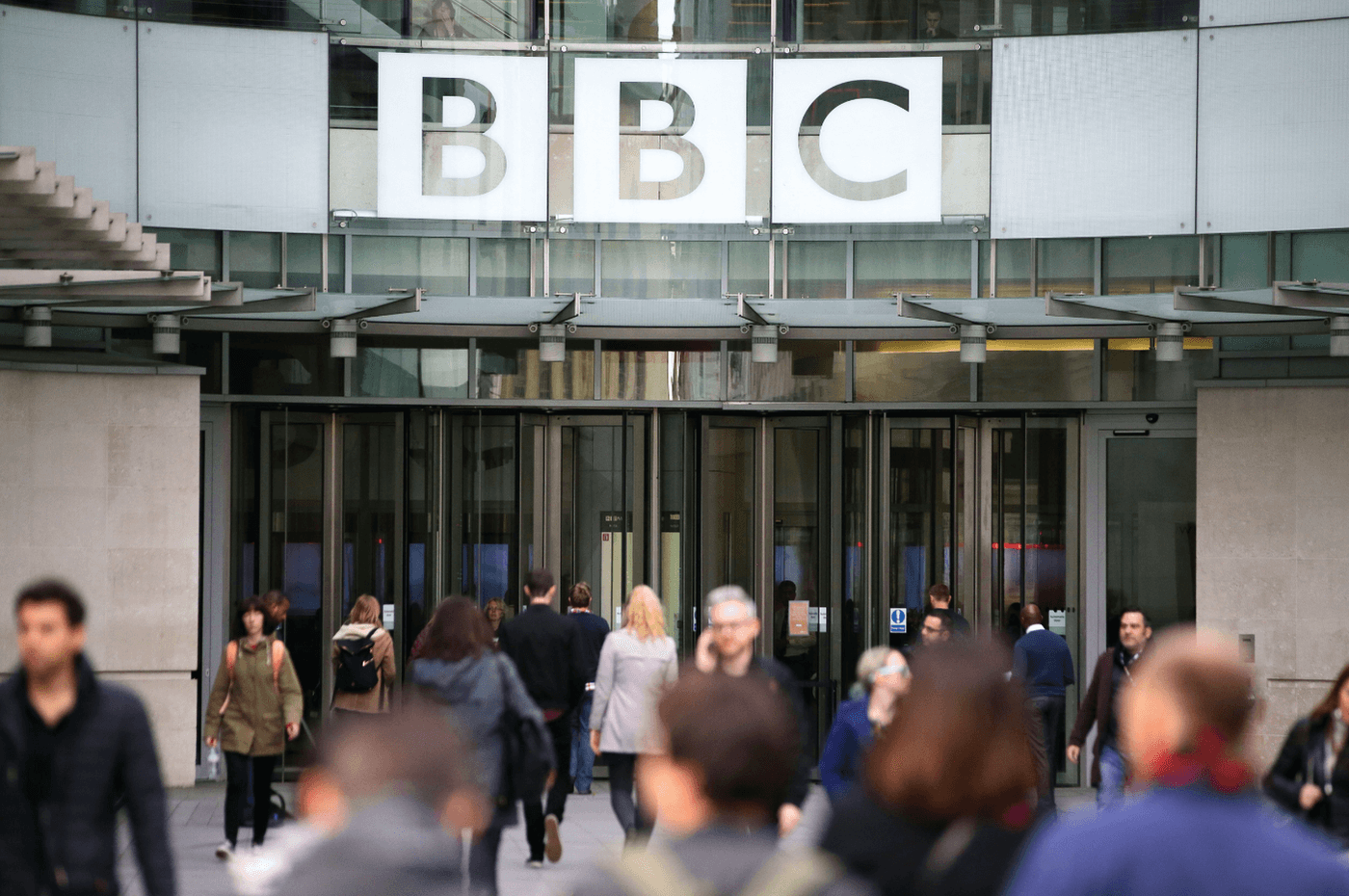
The BBC has wholeheartedly thrown its lot in with the liberal reformers; there has been no “impartiality” on any of the big moral issues of the past half-century. In every instance, the socially conservative argument has been depicted as callous, reactionary and dogmatic. Any counterargument to the prevailing liberal consensus is now ignored altogether; social conservative voices are conspicuous by their absence on mainstream current affairs programmes. That is sometimes because there is no one in the production teams who understands the social conservative position, so it is no longer considered when programmes are in the making. The liberals now have a national culture moulded by their thinking and their laws; it is their world now – the old morality has been utterly vanquished. Consider the way in which Richard Dawkins’s The God Delusion was promoted by the BBC. The book was treated with reverence, and the lavish coverage helped to propel its author to the highest pinnacle of intellectual celebrity. He is now one of that small, glittering band of international intellectual superstars in demand around the world. The BBC was not his only promoter – the Times, the Guardian and the Independent, as well as most other serious television and media outlets, all paid homage to the new guru – but the BBC’s imprimatur is always worth more than the others. The Corporation still commands respect among media professionals; there is a noticeable cultural cringe when other broadcasters, particularly those from places such as Australia and Canada, come into contact with it. Partly thanks to the BBC’s heady sponsorship, The God Delusion became a global phenomenon which – given its intellectual mediocrity – takes some explaining. The eminent American sociologist Peter Berger gave much thought to the general phenomenon of secularisation, and his observations are peculiarly apt as a way of explaining the success of Dawkins’s book:
3:00 PM
The BBC once promoted a Christian worldview. Today it champions a very different philosophy
the bbc has wholeheartedly thrown its lot in with the liberal reformers; there has been no “impartiality” on any of the big moral issues of ...
Robin Aitken

7 min read



Already a subscriber? Sign in
5freearticles every month
Continue reading with a free account. No card needed.
- Five free articles every thirty days, on any device you sign in on
- The Catholic Herald newsletter, every morning
- Subscribe whenever you like for everything: every article and the magazine

subscribe to the catholic herald today
Our best content is exclusively available to our subscribers. Subscribe today and gain instant access to expert analysis, in-depth articles, and thought-provoking insights—anytime, anywhere. Don’t miss out on the conversations that matter most.
Subscribe



