



Last month, a public opinion survey led by Harvard Medical School researchers found that three out of four adults supported pre-implantation “polygenic” screening of human embryos created through in vitro fertilization (IVF). The promoters of these in vitro tests claim that they will allow people to estimate a future child’s likelihood of developing certain health conditions influenced by multiple genes – such as diabetes, heart disease and depression. The same survey found that around one in three adults approved of the idea that such tests be used to predict traits unrelated to disease. Nearly all respondents, however, said that they had concerns about potential negative outcomes of screening on individuals and society.
11:03 AM
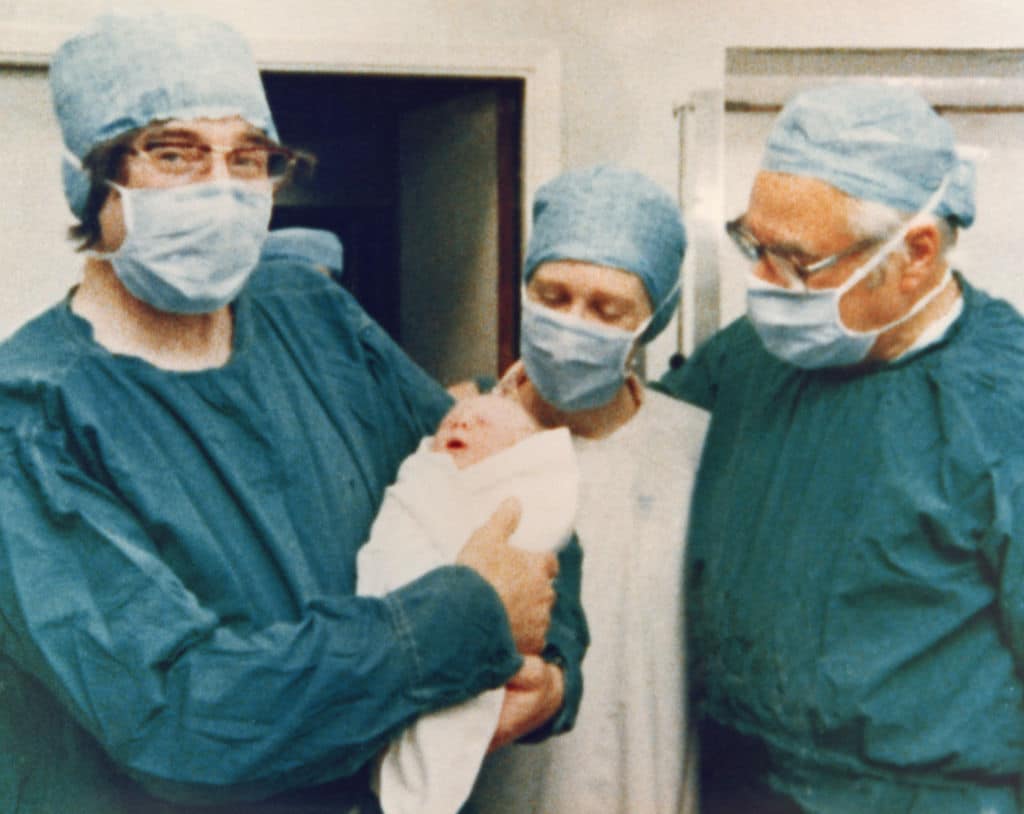
The chilling story of how eugenic theory, and later IVF, was pioneered in Britain
last month, a public opinion survey led by harvard medical school researchers found that three out of four adults supported pre-...
Anthony McCarthy

10 min read



Already a subscriber? Sign in
5freearticles every month
Continue reading with a free account. No card needed.
- Five free articles every thirty days, on any device you sign in on
- The Catholic Herald newsletter, every morning
- Subscribe whenever you like for everything: every article and the magazine






subscribe to the catholic herald today
Our best content is exclusively available to our subscribers. Subscribe today and gain instant access to expert analysis, in-depth articles, and thought-provoking insights—anytime, anywhere. Don’t miss out on the conversations that matter most.
Subscribe



