

February 12, 2026

Think German Catholicism is in decline? Look at the latest figures on Protestantism

Jon Anderson
More
Related
Min read
share

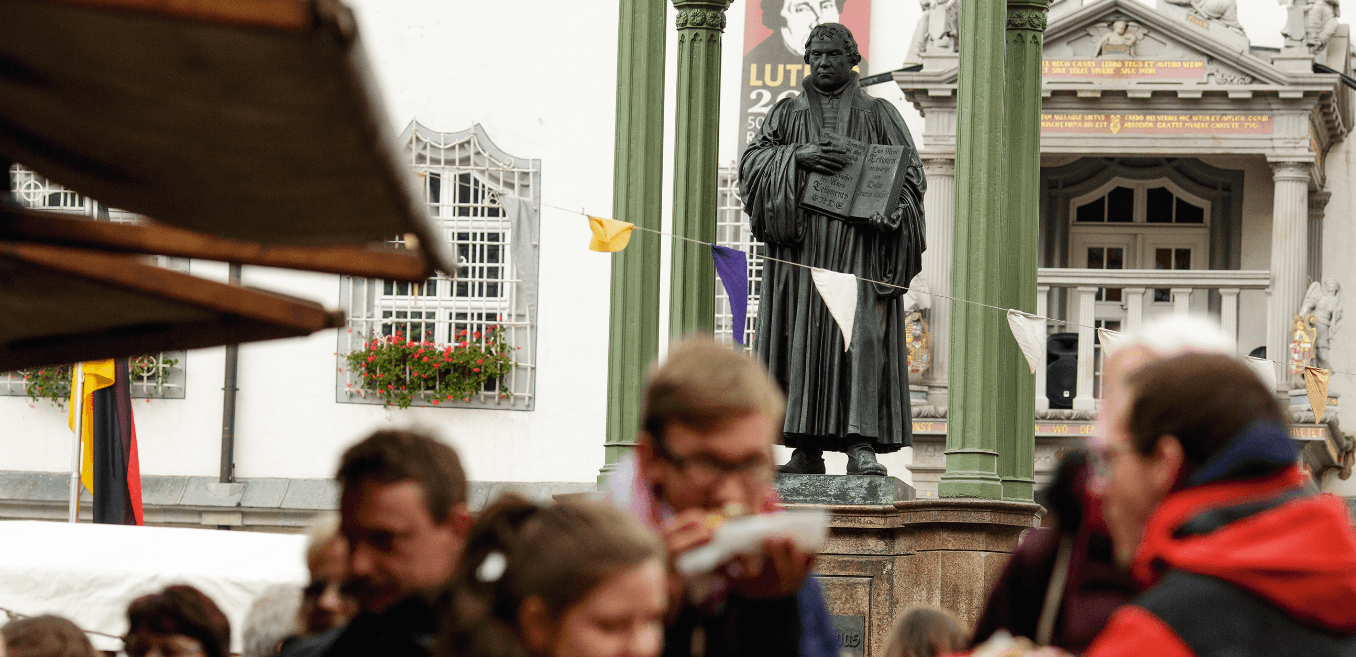
In Germany, the crucible of the Reformation 500 years ago, the country’s former Protestant majority now makes up less than a third of the population.

A recent study at the University of Münster tracks religious trends since 1950. Between 1950 and 2010, membership of the Catholic Church has dropped from 37 per cent to 30 per cent, but the major Protestant churches have seen their proportion halved from 59 to 29 per cent (a further 30 per cent were unaffiliated). This figure is itself flattering, because it reflects formal church membership rather than activity, and the trend since 2010 has been downward.

One reason for the steep decline in Protestant church membership is German reunification in 1990. The new eastern states were formerly Protestant strongholds, but after 40 years of communist repression, religious affiliation in the east is extremely low – only 12 per cent attend church at least once per month, compared with 22 per cent in the west. But the trend in the west is sharply downwards too, especially among Germans under the age of 45.

By almost all measures, the Protestant churches are in a less healthy state than German Catholicism. Protestants are less likely to attend church services, less likely to say religion is important in their lives, less likely to agree with their church’s moral teachings, and more likely to embrace New Age practices such as astrology. But this does not mean that German Catholicism is healthy – just that its decline has been slower, partly due to its history as a beleaguered minority.

The trend is even more obvious in the neighbouring Netherlands, where Catholics are now the largest religious group, despite dropping from 40 per cent in the 1960s to below a quarter today – because the once dominant Protestant churches have slumped to less than a sixth of the population. Only the small ultra-conservative Calvinist churches in the rural Dutch Bible belt, which are proudly counter-cultural, are holding their own.

The collapse of Protestant Europe in the past 50 years is an ominous sign of what could happen to Catholic Europe in the future, if long-term trends continue.

In Germany, the crucible of the Reformation 500 years ago, the country’s former Protestant majority now makes up less than a third of the population.

A recent study at the University of Münster tracks religious trends since 1950. Between 1950 and 2010, membership of the Catholic Church has dropped from 37 per cent to 30 per cent, but the major Protestant churches have seen their proportion halved from 59 to 29 per cent (a further 30 per cent were unaffiliated). This figure is itself flattering, because it reflects formal church membership rather than activity, and the trend since 2010 has been downward.
One reason for the steep decline in Protestant church membership is German reunification in 1990. The new eastern states were formerly Protestant strongholds, but after 40 years of communist repression, religious affiliation in the east is extremely low – only 12 per cent attend church at least once per month, compared with 22 per cent in the west. But the trend in the west is sharply downwards too, especially among Germans under the age of 45.

By almost all measures, the Protestant churches are in a less healthy state than German Catholicism. Protestants are less likely to attend church services, less likely to say religion is important in their lives, less likely to agree with their church’s moral teachings, and more likely to embrace New Age practices such as astrology. But this does not mean that German Catholicism is healthy – just that its decline has been slower, partly due to its history as a beleaguered minority.

The trend is even more obvious in the neighbouring Netherlands, where Catholics are now the largest religious group, despite dropping from 40 per cent in the 1960s to below a quarter today – because the once dominant Protestant churches have slumped to less than a sixth of the population. Only the small ultra-conservative Calvinist churches in the rural Dutch Bible belt, which are proudly counter-cultural, are holding their own.

The collapse of Protestant Europe in the past 50 years is an ominous sign of what could happen to Catholic Europe in the future, if long-term trends continue.

subscribe to
the catholic herald

Continue reading your article with a subscription.
Read 5 articles with our free plan.
Subscribe

subscribe to the catholic herald today

Our best content is exclusively available to our subscribers. Subscribe today and gain instant access to expert analysis, in-depth articles, and thought-provoking insights—anytime, anywhere. Don’t miss out on the conversations that matter most.
Subscribe