

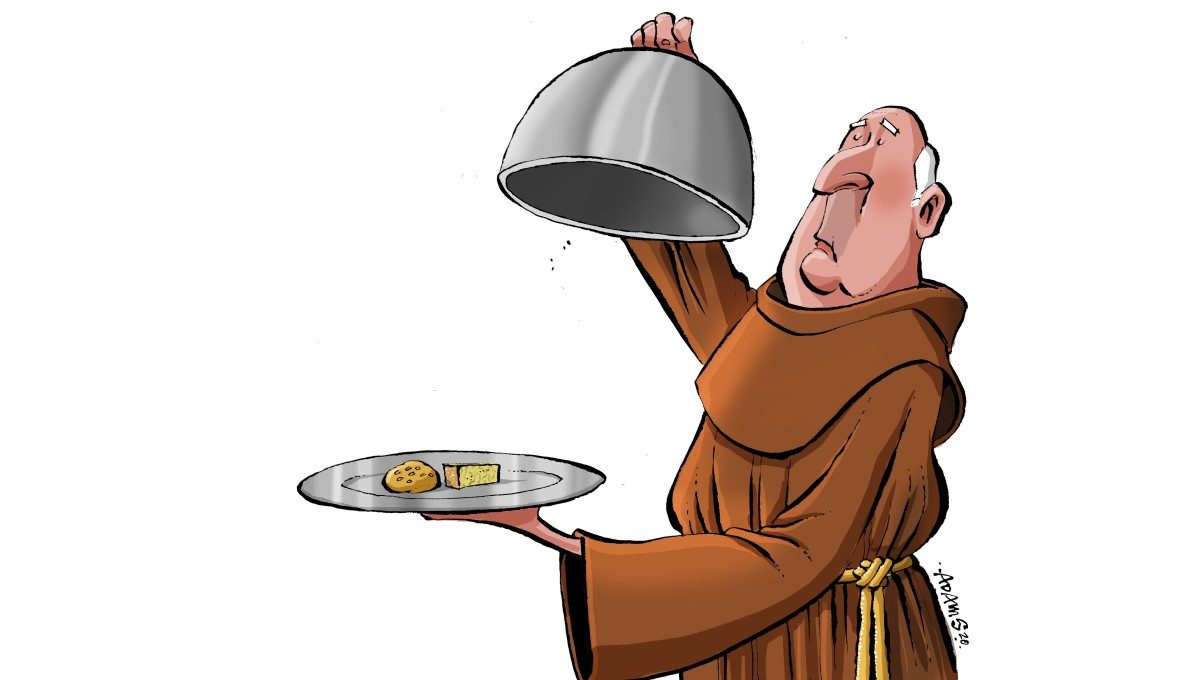
In recent years, fasting has made something of a comeback. Nine years ago, the Bishops of England and Wales asked Catholics to once again return to Friday abstinence from meat. Programs like the rigorous Exodus 90 emphasize fasting as a spiritual discipline. Perhaps the pendulum of history is swinging back, as it tends to do. After all, the last few decades have seen a growing understanding of the relationship between body and spirit, as diet and fitness are understood as impacting the whole person. Fasting has become a popular path to physical and mental wellbeing, for example with the intermittent fasting of programs such as those found in Dr Jason Fung's bestselling The Obesity Code. Catholics look at the sacrifices they’re willing to make for career and to stay in shape, and recognize what the saints have always told us and lived out – that growth in the spiritual life requires sacrifice as well. The years since the Second Vatican Council were, in general, a time when fasting was emphasized less. That shift was of a piece with the more general Conciliar goals: encouraging a deeper, more consistently lived faith, not just through education (as had been the focus of much of the early Liturgical Movement), but instead by emphasizing the inner life and Christian freedom over external regulations, and then dispensing with many of those regulations. This framework is evident in how these changes are explained in various bishops’ statements in wake of the Council. The United States bishops, for example, said in their 1966 document, referring here to the now-abandoned obligation of fasting on Vigils and Ember Days: “We impose no fast before any feast day, but we suggest that the devout will find greater Christian joy in the feasts of the liturgical calendar if they freely bind themselves, for their own motives and in their own spirit of piety, to prepare for each Church festival by a day of particular self-denial, penitential prayer and fasting.” And so it went with all of it: the year-round Friday abstinence, the Vigils and Ember Days, and of course, the Lenten disciplines. The whole idea of the post-Conciliar changes to penitential fasting and abstinence was to present, as it were, a minimum on paper, with the expectation that the individual, flush with the glory of the Freedom of the Christian (and the Spirit of the Council), would take it from there. The “rules” are intended to be minimal. That legal minimalism would, it was hoped, unleash an internal maximalist lurking in all of us who had just been waiting to be treated like adults instead of children, constrained and defined by adherence to those rigid rules. How did that work out? The historian Eamon Duffy has described this post-Conciliar landscape:
2:53 PM
The fall and rise of fasting
Amy Welborn

7 min read



Already a subscriber? Sign in
5freearticles every month
Continue reading with a free account. No card needed.
- Five free articles every thirty days, on any device you sign in on
- The Catholic Herald newsletter, every morning
- Subscribe whenever you like for everything: every article and the magazine
Related articles
 Newsroom
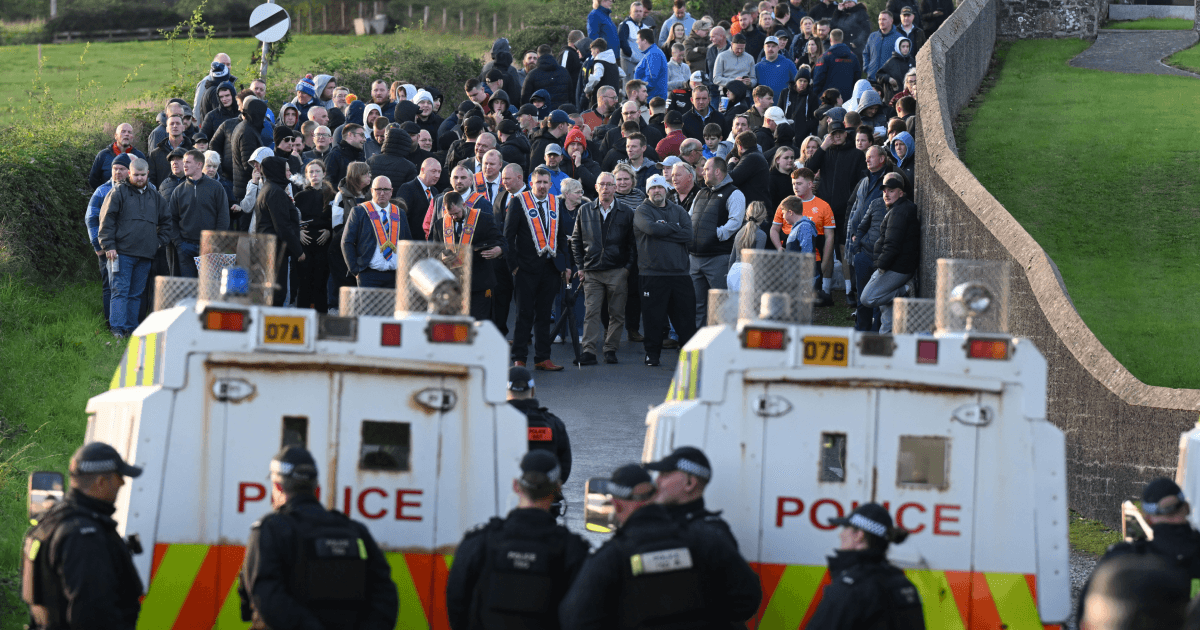
Church leaders urge Drumcree dialogue: ‘Too much is at stake’
The Catholic and Church of Ireland Archbishops of Armagh have urged a renewed commitment to peace and reconciliation amid the Drumcree stand-off
Corrie Douglas-Young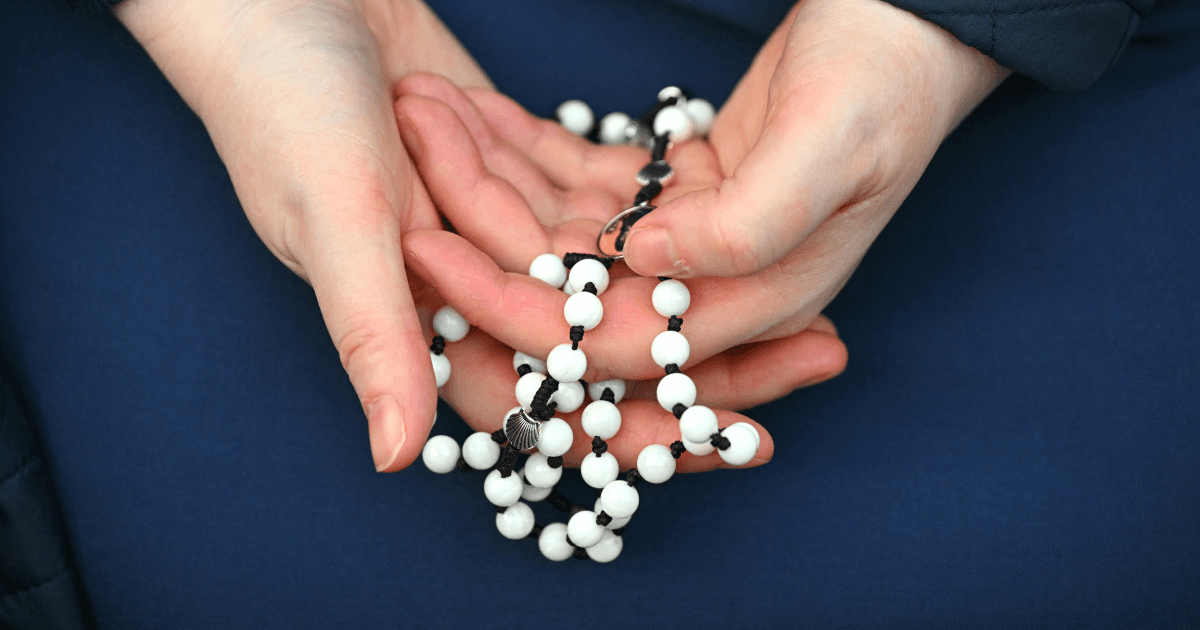 Newsroom
Thousands of Irish children to join global Rosary campaign
Corrie Douglas-Young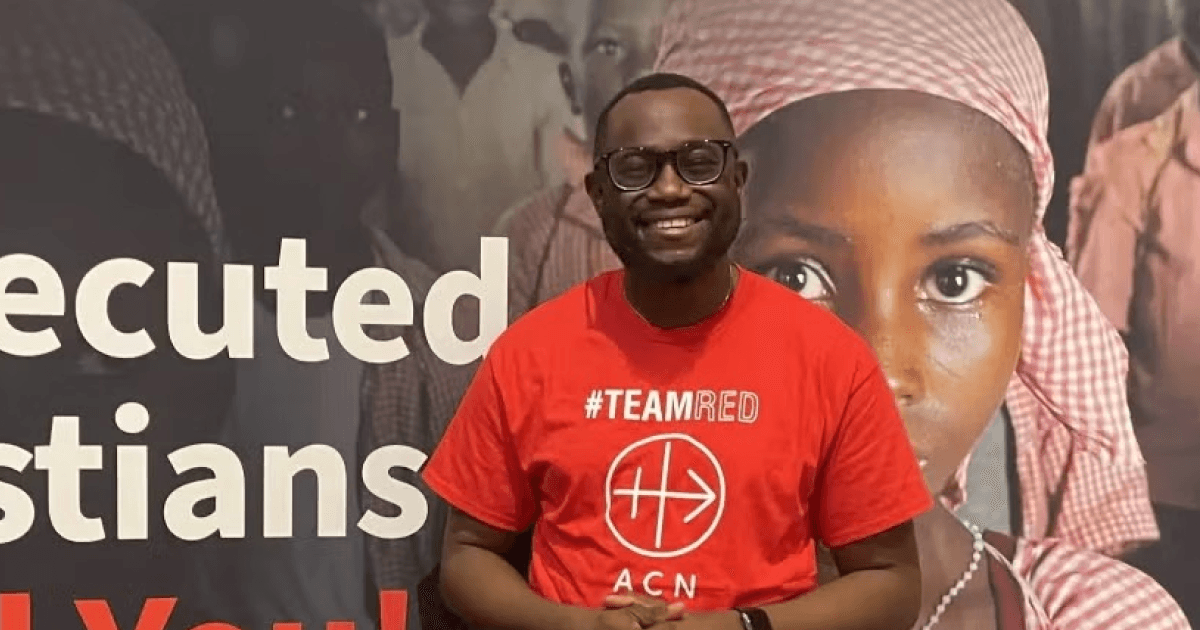 Newsroom
TikTok priest urges young people to stand with persecuted Christians
Nathalie Raffray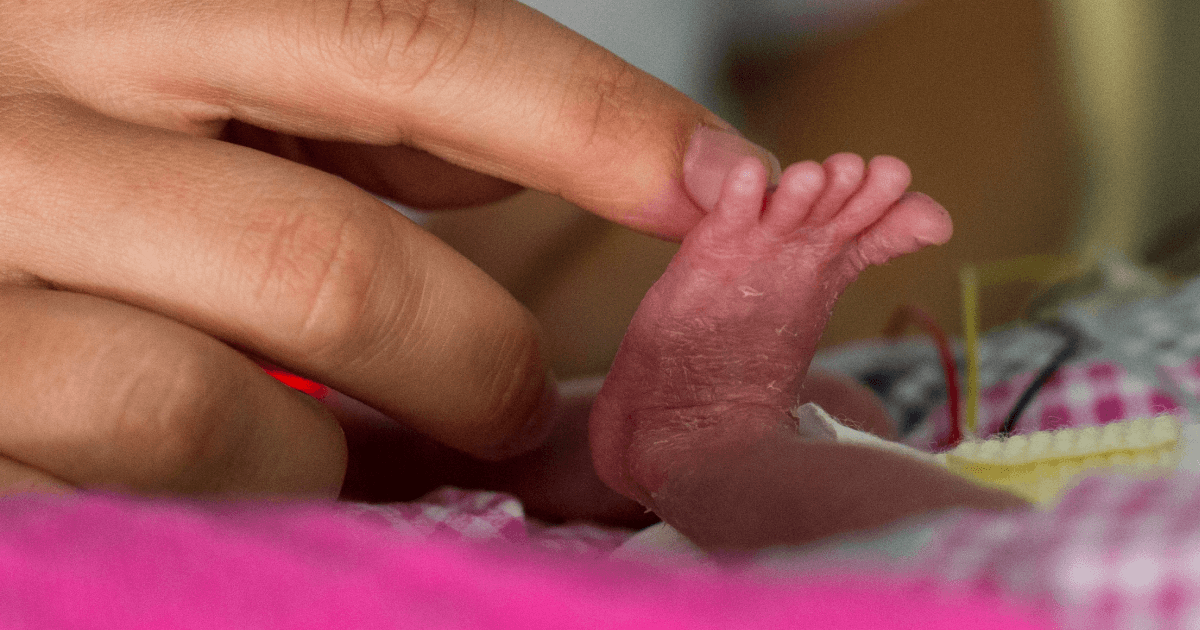 Newsroom
Baby born at 25 weeks reunites with neonatologist two years after leaving hospital
The Catholic Herald Newsroom
Joe Biden honoured by Planned Parenthood after defending abortion rights
Christine Rousselle
subscribe to the catholic herald today
Our best content is exclusively available to our subscribers. Subscribe today and gain instant access to expert analysis, in-depth articles, and thought-provoking insights—anytime, anywhere. Don’t miss out on the conversations that matter most.
Subscribe



