



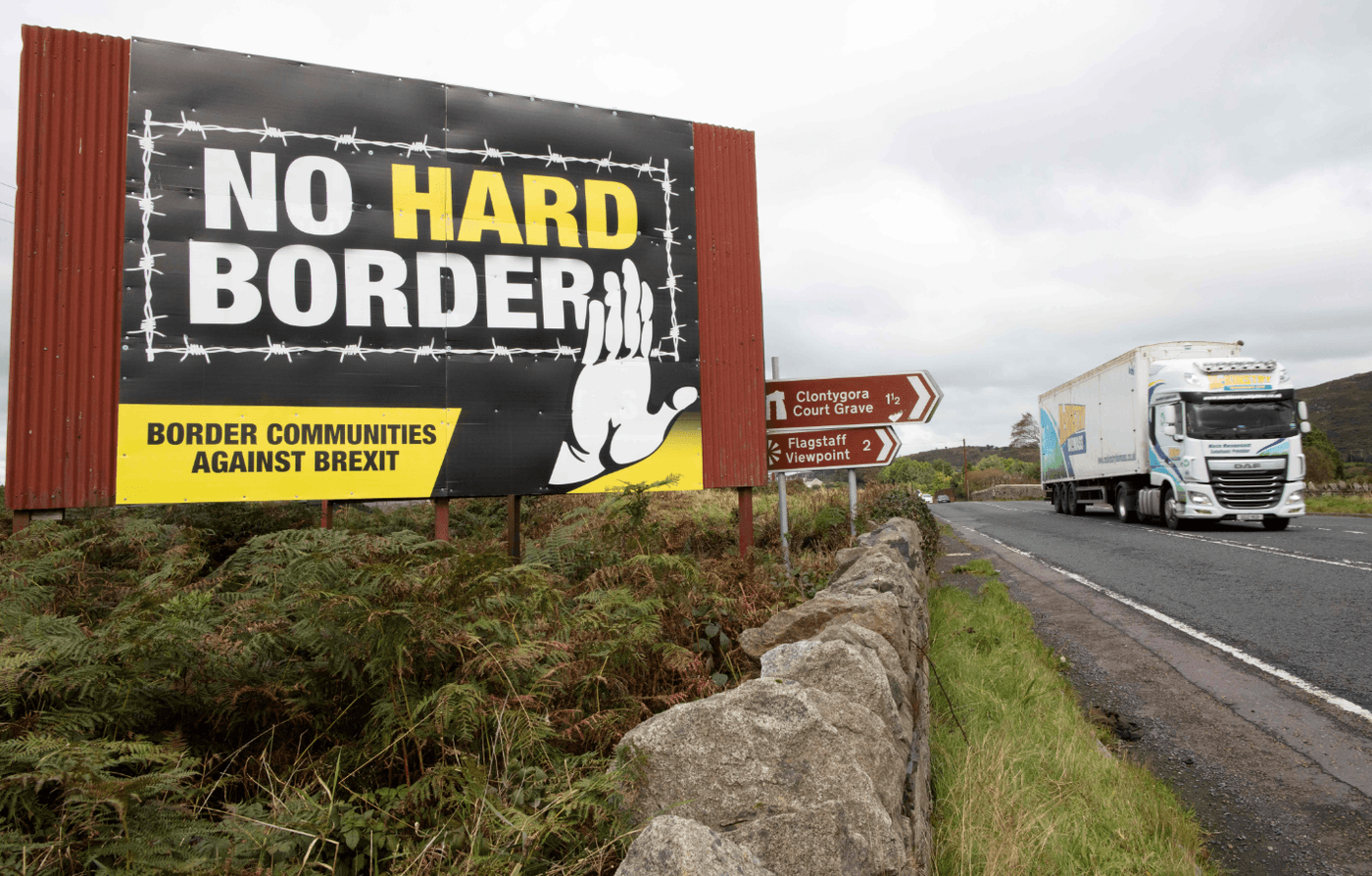
Fears are sometimes expressed that if Brexit goes pear-shaped, and the United Kingdom leaves the EU without a deal, terrorism could return to Northern Ireland. Some Irish news reports suggest that if a “hard border” appeared once again on the island of Ireland, the border posts themselves could be the targets of attacks by bomb and bullet. It is certainly evident that people in the border areas of Ireland do not want a “hard border” – because life has been made so much better, for people and for trade, by the seamlessness of the present arrangement separating the six counties of the North from the 26 in the Republic. So let’s hope things really do work out for the best. And I believe that in the long run, they will. Because, although every society contains a few misguided fanatics, the peace dividend in Ireland north and south is now so firmly embedded that the vast majority of people would simply no longer tolerate violence. Back in the 1970s, this was not the case: there was a substantial sector of society which did then support what was called “the armed struggle”. I remember vividly how Mairead Corrigan and Betty Williams, the leaders of the Peace People, were mocked and taunted. Betty Williams told me herself that the verbal abuse she got was dreadful – from being accused of being a British “collaborator” to horrible accusations about her personal life. The Peace People carried on – often, I noticed, supported by nuns – and they laid the groundwork for the Good Friday Agreement. And now the GFA is considered sacrosanct. However, though it was a great moment for peace, it was built on a certain amount of what was called “constructive ambiguity”. And so it is fitting that any new compromise involving Brexit and “the backstop” may also need some element of “constructive ambiguity”; or in other words, fudge. That’s because the Irish border is itself ambiguous. In one sense, it is seamless – you can sail across it without clocking that you are crossing a frontier. But it still exists: from the UK you change currencies, swap miles for kilometres, red letterboxes for green, and road signage is in Irish, not English. The ambiguity of the geography, and history, needs to be accommodated in any new protocol: if that’s accepted, success will follow.
12:00 AM
The Irish border is already ambiguous
fears are sometimes expressed that if brexit goes pear-shaped, and the united kingdom leaves the eu without a deal, terrorism could return t...
Mary Kenny

4 min read



Already a subscriber? Sign in
5freearticles every month
Continue reading with a free account. No card needed.
- Five free articles every thirty days, on any device you sign in on
- The Catholic Herald newsletter, every morning
- Subscribe whenever you like for everything: every article and the magazine

subscribe to the catholic herald today
Our best content is exclusively available to our subscribers. Subscribe today and gain instant access to expert analysis, in-depth articles, and thought-provoking insights—anytime, anywhere. Don’t miss out on the conversations that matter most.
Subscribe



