December 8, 2025

James VI and I: The last great humanist king

Min read
share

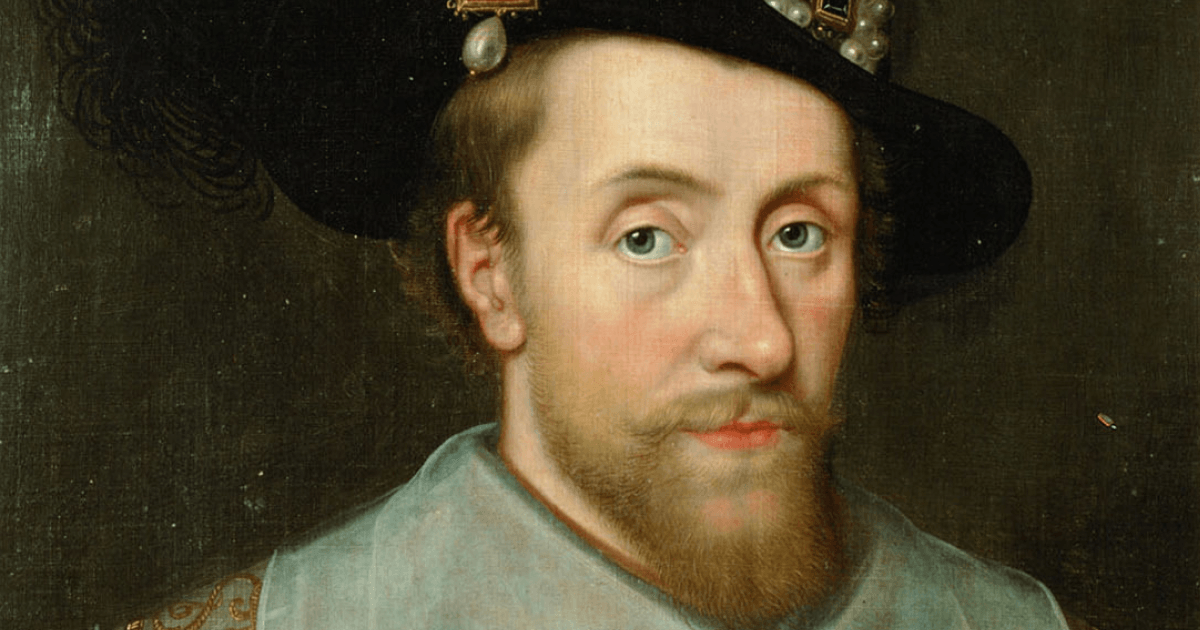
Brought up amid much turmoil — his father and three regents murdered; his mother deposed when he was an infant and subsequently judicially murdered — James VI somehow survived into adulthood, as this new biography says of him, "intelligent, resilient, idiosyncratic, guileful and witty".

His was an adventurous life but he died in his bed. He was the first ever King of Great Britain (and indeed of Ireland). With Europe riven by wars of religion, he was more successful than anyone else between 1541 and 1746 in holding the peace both at home and abroad.

Once an adult, he survived attempts at kidnap and assassination (remember, remember the fifth of November), but unlike his mother, cousin Elizabeth or son Charles, he faced no rebellions or civil wars, avoided foreign wars, and attempted to bring peace between warring nations and faiths abroad with limited but not negligible success.

He was a king for 57 years having been crowned aged 18 months. He ruled for 40 years, second only to Elizabeth among the Tudors and Stuarts. And yet, he is the least well known and the least understood of all of them. His stock has been rising for the past generation and the much-lamented Jenny Wormald did not live to finish her biography. We have to make do with her wonderful impish life in the Oxford Dictionary of National Biography and a life by Alexander Courtney. I mention these because while we should applaud Clare Jackson’s new biography of both James VI and I, and especially her very imaginative construction of a biography written thematically rather than chronologically, it will not be an easy read for those unfamiliar with the timelines. Most chapters cover longer periods and there are gaps. For those with a grasp of the narrative, this matters not. For what each chapter gives us is a vivid, deeply informed and persuasive account of how he came to be the man he was.

To Clare Jackson’s description of him as “intelligent, resilient, idiosyncratic, guileful and witty”, we can add “learned, overconfident, gauche, flawed”. He strove with more success than frailty to be a Renaissance man. Clare Jackson’s first substantive chapter is entitled “A King of Words”: he was the most published, the most polished, the most proficient writer of poetry, prose, biblical commentary of any ruler in Renaissance Europe.

He was very ruthlessly educated and although he came to reject the ascetic Protestantism of his tutors, he retained their commitment to Christian humanism and the spirit of enquiry. She uses his writings — on politics, religious matters, poetry, witchcraft and the perils of tobacco; his contribution to European debates, his engagement with lawyers on the benefits of Roman law over Common Law and the relish he took lecturing clerics on theology and ecclesiology — to give us the man.

This engagement with the range of his writings is what makes this such a rounded and persuasive portrait. Several chapters — such as the one on James’s obsession with hunting, a chapter punningly entitled “The Reins of Government”, and the one on his persistent concern with witches and diabolism — are not only very interesting in themselves but revealing about the inner man, otherwise deeply camouflaged.

Readers of this publication, however, are likely to want to know about his attitude to Catholicism. The answer, Jackson demonstrates, is ambiguous. He was baptised Catholic, of course, with a furtively Catholic convert wife. He told a shocked Parliament in 1604 that he recognised “the Roman Church to be our Mother Church although defiled with some infirmities and corruptions”, but the handsome table clock made for him in Dundee has, on its sides, images of the four Evangelists, but hidden on its base an engraving of James and his sons holding the Pope’s nose to the grindstone (this is one of the beautifully produced plates that adorn the book).

At home, James preached tolerance but not toleration, not repealing the bloody penal code enacted by Elizabeth, but enforcing it far more laxly. In Scotland he sought to bring the Catholic peers into the court and government rather than persecute them. There was less of that in England but even after the Gunpowder Plot, no overreaction once those immediately responsible had been tortured to death. And internationally he actively pursued the plans of others for ecumenical councils that might still heal the schism, and from the 1580s he always had open channels of communication and warm words for successive popes.

All this is very well captured. If there is a disappointment about the book, it is the lack of depth in its coverage of James’s policies in Ireland. There was a lot less slaughter there than in the period 1570–1604 (let alone 1641–60 or later) but less accommodation too. Still, let’s end on a high. This is a wonderful read, a very clever book both in structure and argument, and at last a book that recognises the last great humanist ruler with ideals and a good deal of pragmatism. If his vision of a perfect union of kingdoms as well as crowns was wrecked by the small-minded xenophobia of his English subjects, they and we were the losers. This is the biography he has long deserved.

Brought up amid much turmoil — his father and three regents murdered; his mother deposed when he was an infant and subsequently judicially murdered — James VI somehow survived into adulthood, as this new biography says of him, "intelligent, resilient, idiosyncratic, guileful and witty".

His was an adventurous life but he died in his bed. He was the first ever King of Great Britain (and indeed of Ireland). With Europe riven by wars of religion, he was more successful than anyone else between 1541 and 1746 in holding the peace both at home and abroad.

Once an adult, he survived attempts at kidnap and assassination (remember, remember the fifth of November), but unlike his mother, cousin Elizabeth or son Charles, he faced no rebellions or civil wars, avoided foreign wars, and attempted to bring peace between warring nations and faiths abroad with limited but not negligible success.

He was a king for 57 years having been crowned aged 18 months. He ruled for 40 years, second only to Elizabeth among the Tudors and Stuarts. And yet, he is the least well known and the least understood of all of them. His stock has been rising for the past generation and the much-lamented Jenny Wormald did not live to finish her biography. We have to make do with her wonderful impish life in the Oxford Dictionary of National Biography and a life by Alexander Courtney. I mention these because while we should applaud Clare Jackson’s new biography of both James VI and I, and especially her very imaginative construction of a biography written thematically rather than chronologically, it will not be an easy read for those unfamiliar with the timelines. Most chapters cover longer periods and there are gaps. For those with a grasp of the narrative, this matters not. For what each chapter gives us is a vivid, deeply informed and persuasive account of how he came to be the man he was.

To Clare Jackson’s description of him as “intelligent, resilient, idiosyncratic, guileful and witty”, we can add “learned, overconfident, gauche, flawed”. He strove with more success than frailty to be a Renaissance man. Clare Jackson’s first substantive chapter is entitled “A King of Words”: he was the most published, the most polished, the most proficient writer of poetry, prose, biblical commentary of any ruler in Renaissance Europe.

He was very ruthlessly educated and although he came to reject the ascetic Protestantism of his tutors, he retained their commitment to Christian humanism and the spirit of enquiry. She uses his writings — on politics, religious matters, poetry, witchcraft and the perils of tobacco; his contribution to European debates, his engagement with lawyers on the benefits of Roman law over Common Law and the relish he took lecturing clerics on theology and ecclesiology — to give us the man.

This engagement with the range of his writings is what makes this such a rounded and persuasive portrait. Several chapters — such as the one on James’s obsession with hunting, a chapter punningly entitled “The Reins of Government”, and the one on his persistent concern with witches and diabolism — are not only very interesting in themselves but revealing about the inner man, otherwise deeply camouflaged.

Readers of this publication, however, are likely to want to know about his attitude to Catholicism. The answer, Jackson demonstrates, is ambiguous. He was baptised Catholic, of course, with a furtively Catholic convert wife. He told a shocked Parliament in 1604 that he recognised “the Roman Church to be our Mother Church although defiled with some infirmities and corruptions”, but the handsome table clock made for him in Dundee has, on its sides, images of the four Evangelists, but hidden on its base an engraving of James and his sons holding the Pope’s nose to the grindstone (this is one of the beautifully produced plates that adorn the book).

At home, James preached tolerance but not toleration, not repealing the bloody penal code enacted by Elizabeth, but enforcing it far more laxly. In Scotland he sought to bring the Catholic peers into the court and government rather than persecute them. There was less of that in England but even after the Gunpowder Plot, no overreaction once those immediately responsible had been tortured to death. And internationally he actively pursued the plans of others for ecumenical councils that might still heal the schism, and from the 1580s he always had open channels of communication and warm words for successive popes.

All this is very well captured. If there is a disappointment about the book, it is the lack of depth in its coverage of James’s policies in Ireland. There was a lot less slaughter there than in the period 1570–1604 (let alone 1641–60 or later) but less accommodation too. Still, let’s end on a high. This is a wonderful read, a very clever book both in structure and argument, and at last a book that recognises the last great humanist ruler with ideals and a good deal of pragmatism. If his vision of a perfect union of kingdoms as well as crowns was wrecked by the small-minded xenophobia of his English subjects, they and we were the losers. This is the biography he has long deserved.

share

subscribe to the catholic herald today

Our best content is exclusively available to our subscribers. Subscribe today and gain instant access to expert analysis, in-depth articles, and thought-provoking insights—anytime, anywhere. Don’t miss out on the conversations that matter most.
Subscribe