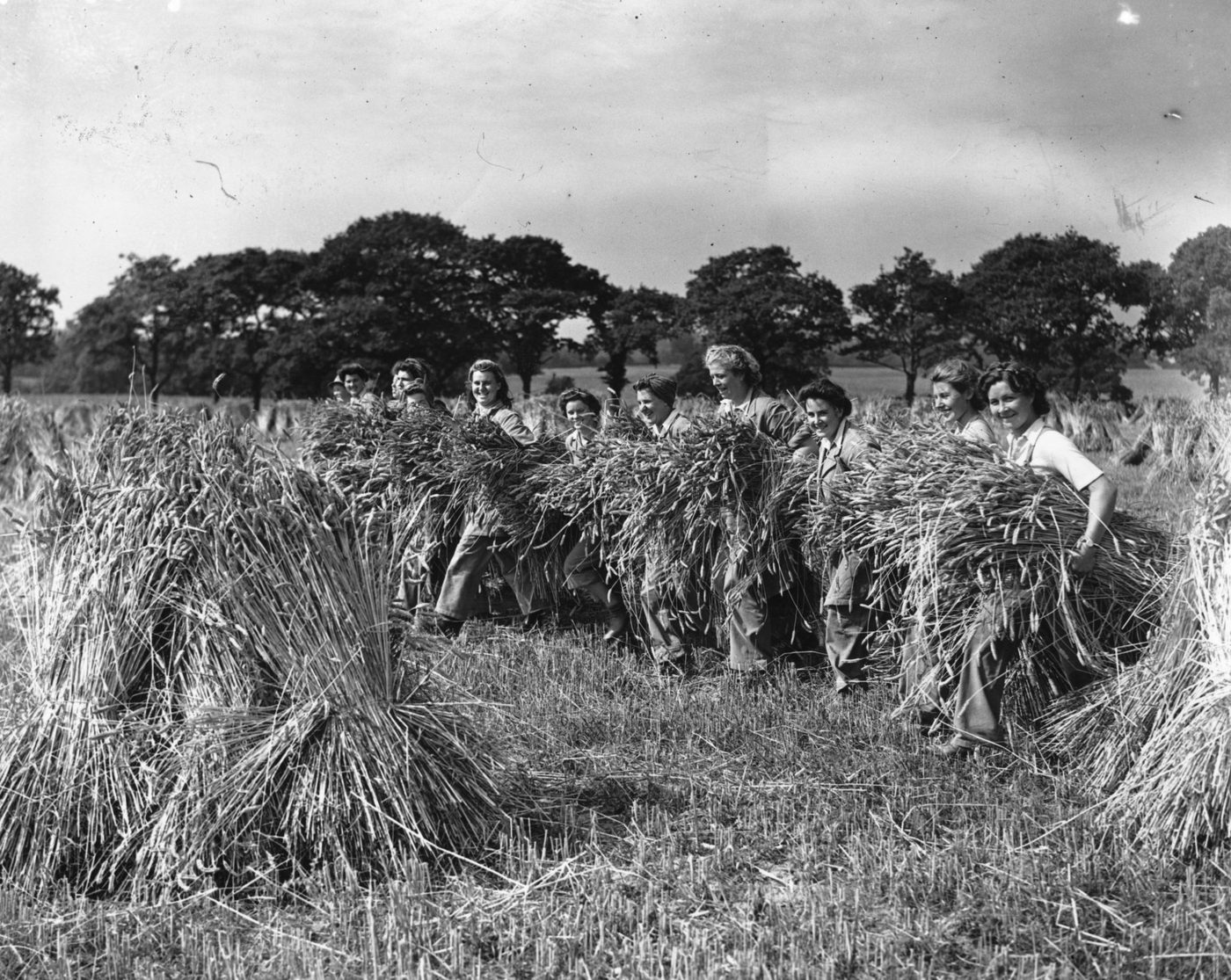






Women in the War
by Lucy Fisher with a foreword by Baroness Boothroyd
Harper Collins, £20, 291 pages
There is one point on which women who served in the Second World War all agree: wartime experience not only changed them: it altered the status, and even the self-worth, of women in general. As Christian Lamb (born 1920) of the Women’s Royal Naval Service (WRNS) put it: “From 1940 onwards, women were held in greater esteem and were able to take on a bigger role outside the home.”
Although a Labour MP, Agnes Hardie argued that “war is not a woman’s job”, and, as mothers, should be exempt from war service, the women who were active in nursing, in SOE (Special Operations), as WAAF pilots, radio operators, land girls, and doing vital code work at Bletchley Park (where 80 per cent of the code-breakers and interpreters were female) felt they had benefited – in independence, in personal confidence, in discipline and maturing. All those in this collection married, and almost all had children and grandchildren.