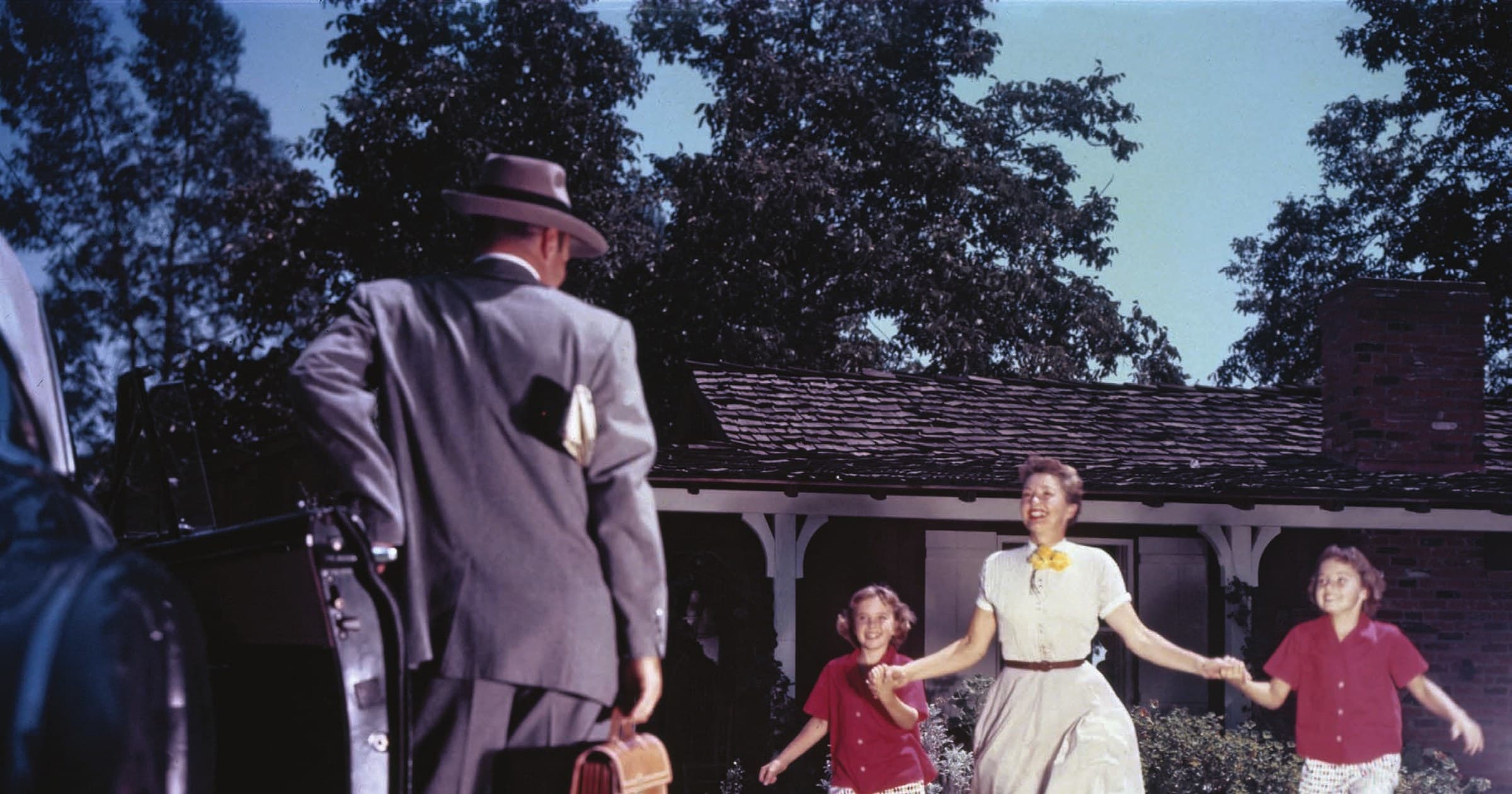




There is a particular image of family life that has become so familiar that we rarely stop to question it: a mother, a father and their children, with the parents expected to shoulder education, formation, discipline, emotional support and entertainment within the confines of a single household.
It is often presented not only as the most stable, natural and efficient arrangement, but as the gold standard of family life itself – especially against the backdrop of so many broken homes. The assumption is that a mother, father and their children form a largely self-sufficient unit, capable of providing everything a family needs.
As the daughter of two immigrant parents – one from Hong Kong and the other from Belgium – I grew up as what is now often called a “third culture kid”: raised not in either of my parents’ home countries, but in a culture distinct from both. We inherited traditions from each side of the family while simultaneously learning new customs and ways of life that neither of my parents had grown up with.
There is something both enriching and slightly disorientating about this experience, one that is becoming increasingly common in a mobile and globalised world. Perhaps it is no surprise, then, that we grew up as a nuclear family. Like many immigrant families, we were geographically separated from grandparents, aunts, uncles and cousins, building our lives largely within the boundaries of our immediate household.
Today, increased mobility, rising individualism and the elevation of autonomy as a cultural ideal, coupled with the assumption that independence is inherently more efficient, have continued to erode communal bonds, even among extended families living in the same country.
And yet, for most of human history – and in many cultures still – children were never raised in such isolation. The nuclear family, far from being the universal norm, is historically unusual. Children used to be formed within trusted webs of kinship, godparents, grandparents, neighbours, apprenticeships and parish communities: within a wider moral and social ecosystem.
The 19th-century French sociologist and Catholic thinker Frédéric Le Play spent decades studying how families lived across Europe. In his research, he identified what he called the “unstable family” – something that closely resembles what we would now recognise as the nuclear family. Detached from wider kinship networks and intergenerational support, such families, he observed, were often more vulnerable and exposed.
The consequences of this isolation do not stop with the parents. Research published in the Journal of Affective Disorders Reports found that parental loneliness and stress were associated with higher anxiety, depression, social withdrawal and impulsivity in their children. When parents experience loneliness, their children feel it too. The isolated household, it turns out, isolates everyone within it.
Many parents are now expected to be everything at once: providers, educators, emotional anchors, social organisers, moral guides and spiritual directors. Grandparents may live hundreds of miles away, neighbours remain strangers and the local church can easily become little more than a Sunday destination. Schools, meanwhile, cannot replace the daily moral ecology that emerges from a rich and interconnected community life.
But Catholic social teaching has never imagined the human person in isolation. We are not self-made units, nor are we meant to be formed in social vacuums. We are, as scripture repeatedly shows, people of covenant, lineage, tribe, household and Church. Abraham’s household is not merely his nuclear family but a network of dependents and servants. Ruth binds herself not just to Naomi as an individual, but to a people and a shared future. The early Church itself is described not as a collection of isolated believers, but as a body ordered towards mutual care.
When formation is confined to a single set of often exhausted parents and an increasingly individualised culture, children, in particular, suffer. Since we are formed through repetition, example, correction, storytelling and belonging, when those influences come from only one or two sources, the richness of formation narrows and the wisdom that comes from encountering a variety of loving role models, perspectives and life experiences is diminished.
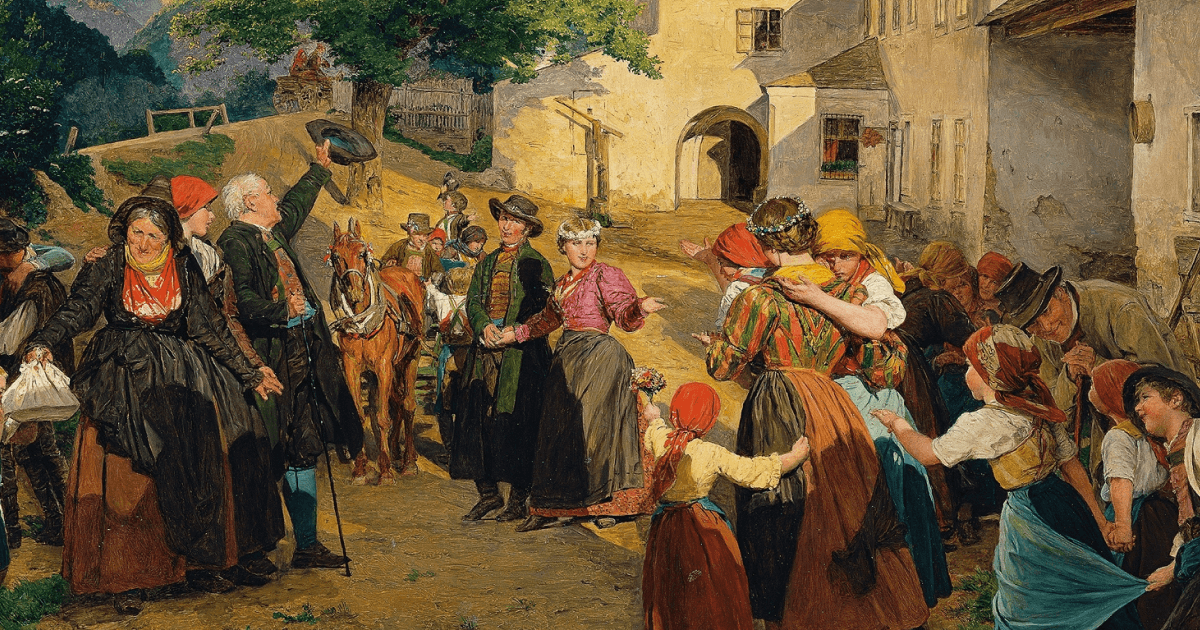
Whereas in more traditional communal arrangements, children grow up surrounded by a range of voices: grandparents who remember longer moral arcs; godparents who stand as spiritual witnesses; parish communities that reinforce shared values; and extended families who absorb shocks that would otherwise fall entirely on parents.
None of this removes parental responsibility, of course, but deepens it by situating it within a wider network of love and accountability.
The Church must offer a different vision: not the abandonment of family, but its embedding within a richer ecology of belonging. Parish life, at its best, is not just a weekly event but a shared world: a place where children are known beyond their immediate household, parents are supported and faith is not transmitted by instruction alone, but by lived proximity.
This is what makes Catholic community distinct when it is alive, as it refuses the idea that formation can be outsourced entirely to one household or one institution. There is a profound relief in this vision because it takes pressure off perfection and returns family life to a shared participation in the good.
The question, then, is not whether the nuclear family is “true” or “false”, but whether it is sufficient on its own. And for many families today, the honest answer is that it is not – at least not without wider structures of support, friendship, faith and shared responsibility.
Perhaps the real crisis is not that families have become smaller, but that communities have. In rebuilding those networks of belonging, we may rediscover not only stronger families, but a richer vision of what it means to love, to raise children and to live as the Body of Christ.

.png)