February 12, 2026

The perils of hasty secularisation

Michael Duggan
More
Related
Min read
share

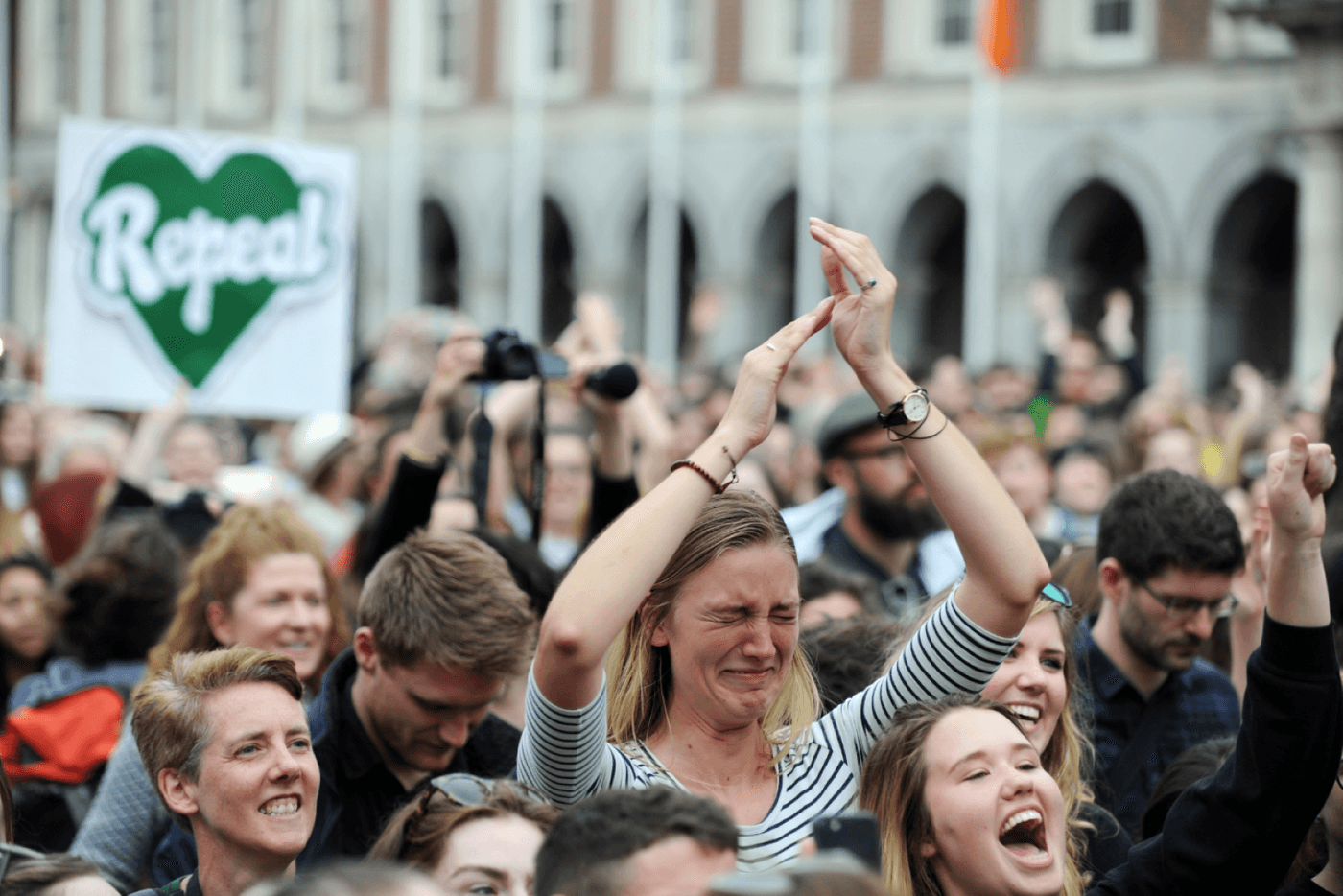
Pope Francis could hardly be arriving at a more dramatic moment. In the aftermath of the abortion referendum, Ireland seems to be wholly set on the repudiation of its Catholic past. A country where the Church was once ubiquitous has set about reinventing itself as the apotheosis of a modern, secular, liberal state. To put it another way: Ireland is entering the Böckenförde phase of its history.

Let me explain.

Ernst-Wolfgang Böckenförde was a German constitutional theorist and judge, and also a Catholic. In the 1960s, he described a critical paradox at the heart of Western democracies. The “liberal, secularised state”, he wrote, has a kind of hole at its centre. The “great adventure” it has undertaken for freedom's sake exposes it to a risk that the nation lacks the means to mitigate, placing it at the mercy of a mighty paradox:
As a liberal state it can only endure if the freedom it bestows on its citizens takes some regulation from the interior, both from a moral substance of the individuals and a certain homogeneity of society at large. On the other hand, it cannot by itself procure these interior forces of regulation, that is, not with its own means such as legal compulsion and authoritative decree. Doing so, it would surrender its liberal character.

Hence the famous “Böckenförde dilemma”: “The liberal, secularised state lives by prerequisites which it cannot guarantee itself.”

Earlier this year, when the Catholic and Protestant bishops of Regensburg issued a joint statement in support of moves in Bavaria to put crosses in public buildings, they echoed Böckenförde. “A liberal, democratic society,” they said, “lives on prerequisites and builds on foundations that it itself cannot guarantee.”

In his bestseller The Strange Death of Europe, Douglas Murray invokes Böckenförde in order to question the continent’s capacity to save itself from its moral and civilisational unmooring. Cardinal Joseph Ratzinger once put it like this: “The state itself cannot create moral force, but must presuppose it and then construct upon it.”

Irish writers have been eyeing the approach of the country’s Böckenförde moment for quite some time. In 1989, the eminent historian JJ Lee, by no means a cheerleader for Catholic Ireland, noted that religion was society’s main barrier against “the untrammelled predatory instincts of individual pressure-group selfishness”.

He argued: “If religion were to no longer fulfil its historic civilising mission as a substitute for internalised values of civic responsibility, the consequences for the country, no less than for the Church, could be lethal.”

Ten years later, following the publication of the report on sexual abuse in the Dublin archdiocese, poet Theo Dorgan concluded that the presence of the Catholic Church in Irish institutions and mores was now “smoke in a gale, dust in the wind”. However, there was a danger that out with Catholicism would go “the foundational ideals of justice, charity, compassion and mercy. We can already see the damage done in our country’s short-lived flirtation with mammon.” The people of Ireland, Dorgan concluded, “would do well to begin thinking clearly, and very soon, about what we will choose for the moral foundations of a post-Catholic Ireland”.

As Ireland heads downstream from Catholicism, largely with a “good riddance” on its lips, it abandons its principal historical source of the “interior forces of regulation”.

If Böckenförde was right, it will at some point have to find them somewhere else. Pope Francis will certainly face hostility in many quarters this weekend. But if Ireland is attentive to the Böckenförde dilemma, the Pontiff might also be able to trigger some necessary collective reflection.

Michael Duggan is a freelance writer

Pope Francis could hardly be arriving at a more dramatic moment. In the aftermath of the abortion referendum, Ireland seems to be wholly set on the repudiation of its Catholic past. A country where the Church was once ubiquitous has set about reinventing itself as the apotheosis of a modern, secular, liberal state. To put it another way: Ireland is entering the Böckenförde phase of its history.

Let me explain.

Ernst-Wolfgang Böckenförde was a German constitutional theorist and judge, and also a Catholic. In the 1960s, he described a critical paradox at the heart of Western democracies. The “liberal, secularised state”, he wrote, has a kind of hole at its centre. The “great adventure” it has undertaken for freedom's sake exposes it to a risk that the nation lacks the means to mitigate, placing it at the mercy of a mighty paradox:
As a liberal state it can only endure if the freedom it bestows on its citizens takes some regulation from the interior, both from a moral substance of the individuals and a certain homogeneity of society at large. On the other hand, it cannot by itself procure these interior forces of regulation, that is, not with its own means such as legal compulsion and authoritative decree. Doing so, it would surrender its liberal character.

Hence the famous “Böckenförde dilemma”: “The liberal, secularised state lives by prerequisites which it cannot guarantee itself.”

Earlier this year, when the Catholic and Protestant bishops of Regensburg issued a joint statement in support of moves in Bavaria to put crosses in public buildings, they echoed Böckenförde. “A liberal, democratic society,” they said, “lives on prerequisites and builds on foundations that it itself cannot guarantee.”

In his bestseller The Strange Death of Europe, Douglas Murray invokes Böckenförde in order to question the continent’s capacity to save itself from its moral and civilisational unmooring. Cardinal Joseph Ratzinger once put it like this: “The state itself cannot create moral force, but must presuppose it and then construct upon it.”

Irish writers have been eyeing the approach of the country’s Böckenförde moment for quite some time. In 1989, the eminent historian JJ Lee, by no means a cheerleader for Catholic Ireland, noted that religion was society’s main barrier against “the untrammelled predatory instincts of individual pressure-group selfishness”.

He argued: “If religion were to no longer fulfil its historic civilising mission as a substitute for internalised values of civic responsibility, the consequences for the country, no less than for the Church, could be lethal.”

Ten years later, following the publication of the report on sexual abuse in the Dublin archdiocese, poet Theo Dorgan concluded that the presence of the Catholic Church in Irish institutions and mores was now “smoke in a gale, dust in the wind”. However, there was a danger that out with Catholicism would go “the foundational ideals of justice, charity, compassion and mercy. We can already see the damage done in our country’s short-lived flirtation with mammon.” The people of Ireland, Dorgan concluded, “would do well to begin thinking clearly, and very soon, about what we will choose for the moral foundations of a post-Catholic Ireland”.

As Ireland heads downstream from Catholicism, largely with a “good riddance” on its lips, it abandons its principal historical source of the “interior forces of regulation”.

If Böckenförde was right, it will at some point have to find them somewhere else. Pope Francis will certainly face hostility in many quarters this weekend. But if Ireland is attentive to the Böckenförde dilemma, the Pontiff might also be able to trigger some necessary collective reflection.

Michael Duggan is a freelance writer

subscribe to
the catholic herald

Continue reading your article with a subscription.
Read 5 articles with our free plan.
Subscribe

subscribe to the catholic herald today

Our best content is exclusively available to our subscribers. Subscribe today and gain instant access to expert analysis, in-depth articles, and thought-provoking insights—anytime, anywhere. Don’t miss out on the conversations that matter most.
Subscribe