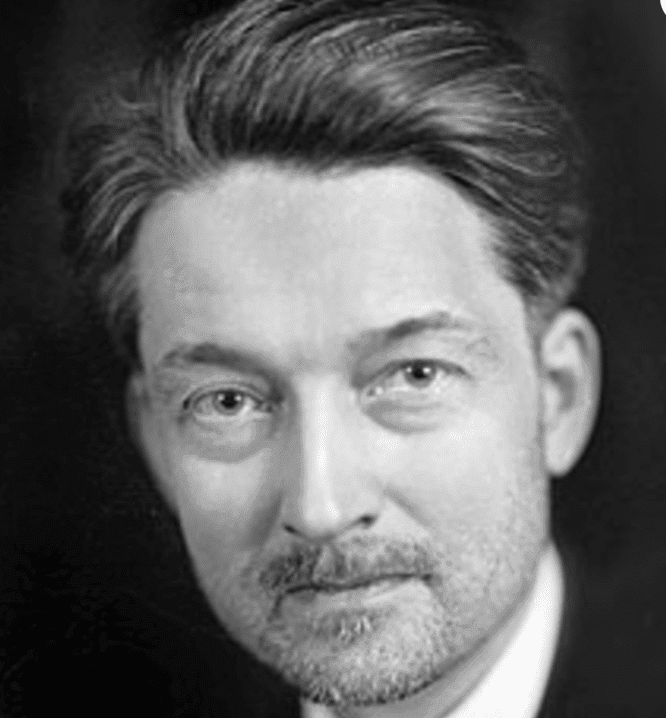




Jacques Maritain, the most famous Thomist philosopher of his age, contributed to the drafting of the United Nations Declaration of Human Rights (1948).
Three years later, the definitive expression of his political philosophy Man and the State was published. In that book Maritain recalls that people with very opposed ideologies had agreed a draft list of rights, saying, “we agree on these rights providing we are not asked why.” With the “why”, the dispute begins. For Maritain, the Declaration was a practical project, an attempt to achieve consensus not on speculative notions but on common practical notions, on the “affirmation of the same set of convictions concerning action”. Believing in “a sort of vegetative development or growth…of moral knowledge and moral feeling, which is in itself independent of philosophical systems”, Maritain assumes that this "knowledge through inclination” progresses through humanity’s awareness of the precepts of natural law.