



February 1, 2026
February 1, 2026

The rule of life Christ gave the world

Min read
share

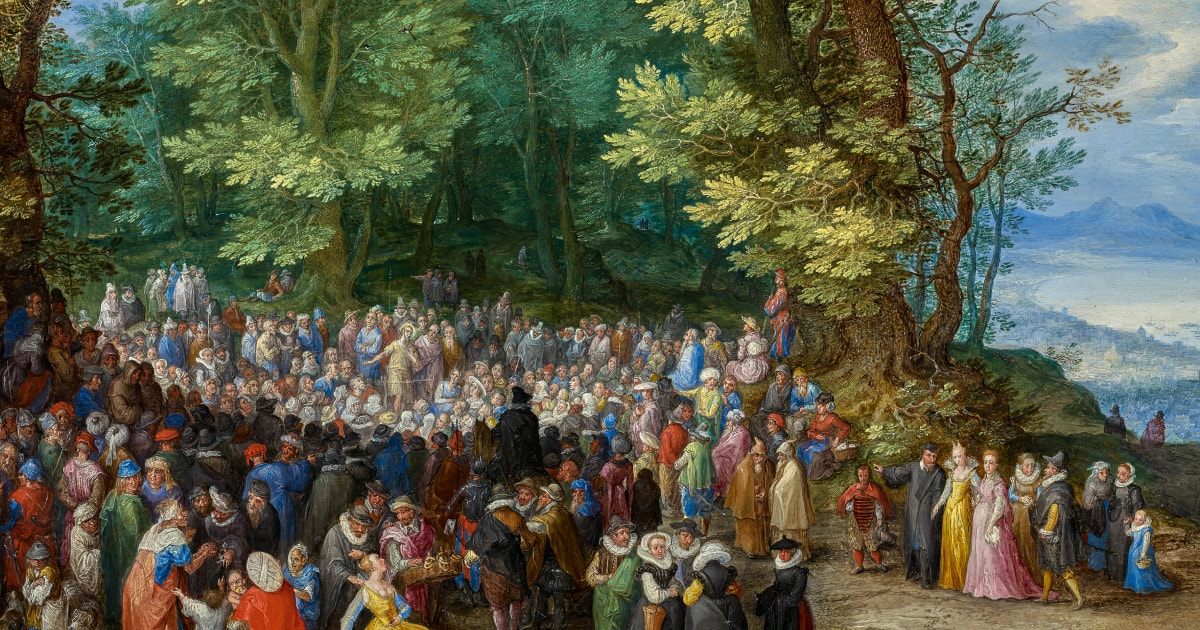
When modern readers encounter the Sermon on the Mount, the reaction can often by one of discomfort. The Beatitudes sound beautiful, even poetic, but also impossibly demanding. Meekness, poverty of spirit, mercy, purity of heart, hunger for righteousness, joy in persecution — these do not sit easily within our contemporary culture. As a result, the Sermon on the Mount is frequently admired but rarely treated as practical, let alone normative.

St Augustine would have found this baffling. Writing at the end of the fourth century, in his work On the Sermon on the Mount, Augustine insists that Christ’s words here are not a set of unattainable ideals, nor a spiritual appendix for particularly devout souls. They are, he says, nothing less than “the perfect standard of the Christian life”.


This claim deserves attention. In an age when Christianity is often reduced either to moral minimalism or to vague spiritual uplift, Augustine reminds us that Christ did not merely come to restrain evil behaviour, He came to purify the heart itself.

For Augustine, the Beatitudes form a coherent structure rather than a loose collection of sayings. They are a ladder, a sequence of virtues that build upon one another, guiding the soul from humility to holiness. The Christian life begins with poverty of spirit: the renunciation of pride. Without this first step, nothing else follows. A soul swollen with self-sufficiency cannot receive the kingdom of God.

From humility flows meekness: not weakness, but disciplined strength. Augustine’s meek person does not retaliate, not because he is incapable of resistance, but because he is governed by charity rather than ego. This, Augustine says, is how the Christian “inherits the earth”: not by domination, but by interior stability, by possessing one’s own soul.

Mourning follows: not the grief of despair, but sorrow for sin, both personal and collective. This sorrow is medicinal. It clears the eye of the heart. Only those who know what is broken can truly long for what is whole. Hence the next beatitude: hunger and thirst for righteousness. Righteousness here is not moral tidiness, but alignment with God’s will. It is something to be desired, not merely obeyed.

Augustine is particularly insistent that mercy is not optional. “God crowns His own gifts,” he writes, “when He rewards mercy with mercy.” In other words, mercy is the way God trains us to receive what He intends to give. A merciless Christian is a contradiction in terms.

The summit of the Beatitudes is purity of heart. Augustine is clear: no one sees God through intelligence alone. Vision of God is granted to those whose loves are rightly ordered. Purity is not naivety, nor repression, but clarity — the ability to desire what is worthy of desire.

Peace-making follows naturally. For Augustine, peace is “the tranquillity of order”. A peacemaker is someone whose own soul is rightly ordered and who therefore becomes capable of ordering relationships around him. Such a person bears the likeness of God Himself.

The final beatitude: persecution for righteousness — closes the circle. The kingdom promised at the beginning is given again at the end, showing that this way of life is one whole. To live according to the Sermon on the Mount is to place oneself in tension with the world. There is no version of Christianity that avoids this cost.

What makes Augustine’s reading so bracing is its realism. He does not pretend that this life is easy, nor does he suggest that it can be lived without grace. But he does insist that it is the life Christ expects of His followers. The Sermon on the Mount is instruction rather than mere advice.

This presents a challenge to many. The Church often speak about values, identity, and belonging, but are less comfortable speaking about conversion of life. Yet Christ’s teaching does not allow us to separate belief from transformation. The house built on rock, Augustine reminds us, is the life founded on obedience — not to abstract principles, but to Christ Himself.

In a time of deep moral confusion, the temptation is either to retreat into defensive minimalism or to dilute the Gospel to preserve relevance. Augustine offers a better alternative: to recover the Sermon on the Mount as the Church’s rule of life. Not as a political programme, nor as a private ideal, but as the pattern by which Christians are formed.

The Beatitudes do not promise comfort. They promise blessedness — which is something far deeper. If the Church wishes to speak credibly to a restless world, she must first be willing to live by the standard her Lord set on the mountain.

When modern readers encounter the Sermon on the Mount, the reaction can often by one of discomfort. The Beatitudes sound beautiful, even poetic, but also impossibly demanding. Meekness, poverty of spirit, mercy, purity of heart, hunger for righteousness, joy in persecution — these do not sit easily within our contemporary culture. As a result, the Sermon on the Mount is frequently admired but rarely treated as practical, let alone normative.

St Augustine would have found this baffling. Writing at the end of the fourth century, in his work On the Sermon on the Mount, Augustine insists that Christ’s words here are not a set of unattainable ideals, nor a spiritual appendix for particularly devout souls. They are, he says, nothing less than “the perfect standard of the Christian life”.

This claim deserves attention. In an age when Christianity is often reduced either to moral minimalism or to vague spiritual uplift, Augustine reminds us that Christ did not merely come to restrain evil behaviour, He came to purify the heart itself.

For Augustine, the Beatitudes form a coherent structure rather than a loose collection of sayings. They are a ladder, a sequence of virtues that build upon one another, guiding the soul from humility to holiness. The Christian life begins with poverty of spirit: the renunciation of pride. Without this first step, nothing else follows. A soul swollen with self-sufficiency cannot receive the kingdom of God.

From humility flows meekness: not weakness, but disciplined strength. Augustine’s meek person does not retaliate, not because he is incapable of resistance, but because he is governed by charity rather than ego. This, Augustine says, is how the Christian “inherits the earth”: not by domination, but by interior stability, by possessing one’s own soul.

Mourning follows: not the grief of despair, but sorrow for sin, both personal and collective. This sorrow is medicinal. It clears the eye of the heart. Only those who know what is broken can truly long for what is whole. Hence the next beatitude: hunger and thirst for righteousness. Righteousness here is not moral tidiness, but alignment with God’s will. It is something to be desired, not merely obeyed.

Augustine is particularly insistent that mercy is not optional. “God crowns His own gifts,” he writes, “when He rewards mercy with mercy.” In other words, mercy is the way God trains us to receive what He intends to give. A merciless Christian is a contradiction in terms.

The summit of the Beatitudes is purity of heart. Augustine is clear: no one sees God through intelligence alone. Vision of God is granted to those whose loves are rightly ordered. Purity is not naivety, nor repression, but clarity — the ability to desire what is worthy of desire.

Peace-making follows naturally. For Augustine, peace is “the tranquillity of order”. A peacemaker is someone whose own soul is rightly ordered and who therefore becomes capable of ordering relationships around him. Such a person bears the likeness of God Himself.

The final beatitude: persecution for righteousness — closes the circle. The kingdom promised at the beginning is given again at the end, showing that this way of life is one whole. To live according to the Sermon on the Mount is to place oneself in tension with the world. There is no version of Christianity that avoids this cost.

What makes Augustine’s reading so bracing is its realism. He does not pretend that this life is easy, nor does he suggest that it can be lived without grace. But he does insist that it is the life Christ expects of His followers. The Sermon on the Mount is instruction rather than mere advice.

This presents a challenge to many. The Church often speak about values, identity, and belonging, but are less comfortable speaking about conversion of life. Yet Christ’s teaching does not allow us to separate belief from transformation. The house built on rock, Augustine reminds us, is the life founded on obedience — not to abstract principles, but to Christ Himself.

In a time of deep moral confusion, the temptation is either to retreat into defensive minimalism or to dilute the Gospel to preserve relevance. Augustine offers a better alternative: to recover the Sermon on the Mount as the Church’s rule of life. Not as a political programme, nor as a private ideal, but as the pattern by which Christians are formed.

The Beatitudes do not promise comfort. They promise blessedness — which is something far deeper. If the Church wishes to speak credibly to a restless world, she must first be willing to live by the standard her Lord set on the mountain.

subscribe to
the catholic herald

Continue reading your article with a subscription.
Read 5 articles with our free plan.
Subscribe
share

subscribe to the catholic herald today

Our best content is exclusively available to our subscribers. Subscribe today and gain instant access to expert analysis, in-depth articles, and thought-provoking insights—anytime, anywhere. Don’t miss out on the conversations that matter most.
Subscribe