March 11, 2026

The sisters taking on abuse in the Catholic Church

Thomas Edwards
More
Related
Min read
share

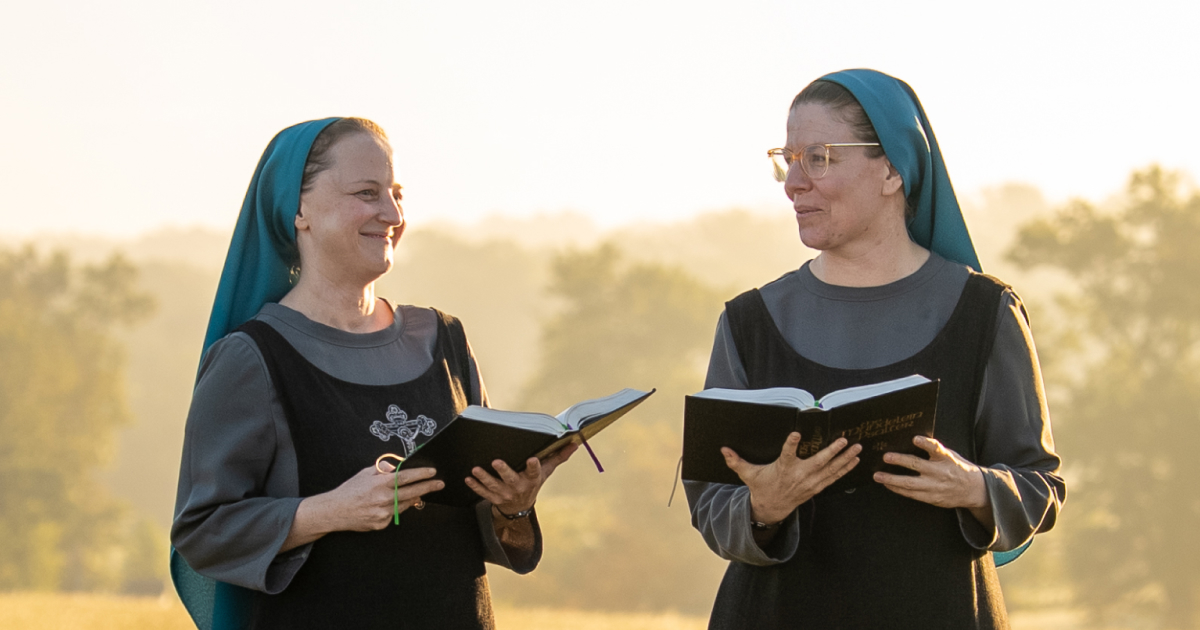
When Sister Theresa Aletheia and Sister Danielle Victoria made their vows as Pauline sisters, a congregation with a history of more than one hundred years, they were completely unaware that they would one day become the founding members of a new religious community. But in 2023 they became the founding members of the Sisters of the Little Way of Beauty, Truth and Goodness, a private association of the faithful intending to become a religious institute. They seek to respond to one of the most devastating crises the Church has faced in her 2,000-year history: abuse by its representatives.

The need is immense. The abuse crisis has shaken the Church to its core in a seemingly unending series of high-profile cases. The Boston Globe’s 2002 investigation, Ireland’s 2009 Murphy Report, Australia’s 2017 Royal Commission and the 2018 Pennsylvania Grand Jury Report, which coincided with revelations concerning the then-Cardinal Theodore McCarrick, are among the cases that have left Catholics sickened and ashamed by the actions of clerics charged with the care of souls.

Having themselves both been victims of an abusive spiritual director, the sisters approach the crisis not just from a position of concern but also from a place of experience and empathy. Sister Theresa explains how the incident had opened their eyes “to a lot of patterns and realities in the Church that we hadn’t really faced before”. Noting their unique position to counteract the evil of abuse, she adds: “A lot of survivors see the changes that are needed in the Church, for renewal and reform.”

The principal and most heinous damage caused by the abuse crisis is that inflicted on victims. A secondary effect, however, is the reduction of the moral credibility of the Church’s voice. Sister Theresa observed during their evangelisation as Pauline sisters that people’s “first objection to any sort of speaking about the Gospel or speaking about the Catholic Church is the abuse crisis. It was this unspoken obstacle to evangelisation”.

Sister Danielle explains: “It felt like you’re stepping over bodies to try to evangelise through that reality, not acknowledging the harm that had been done.” Recognising the need for healing before the Church can truly be what Christ intended it to be – his voice on earth – is where the sisters find their motivation.

Their work is practical. The sisters meet with survivors primarily online, though, as Sister Danielle notes: “It’s Jesus who does the healing in the Church.”

“Our work is rather simple. It’s really just listening and the power of listening. Christ does a lot with it, and we have the privilege of watching that unfold,” Sister Theresa says. “Listening is a form of obedience, really, at the heart of it. We were booked full from the very beginning.” Indeed their mission is broader than addressing the abuse crisis. They seek to “live a mission of listening and solidarity with people on the fringes of the Church, especially those who have been wounded, scandalized, or abused by members of the Church.” 

Another part of the sisters’ work is their podcast. Called Descent Into Light, it is an eight-part series which shares the sisters’ own story through the different stages of grief and offers greater understanding of abuse by speaking with professionals. In their outreach, the sisters are particularly keen to highlight the different forms of abuse in the Church. They explain the reality of spiritual abuse and draw attention to adult abuse, something rarely mentioned and often misunderstood, both within and outside the Church.

Sister Danielle explains that with adult abuse “people will often think that there’s something that they did wrong. A lot of our work is helping people to see what they know deep down, which is that they were in a situation where there is a power difference and the other person had the responsibility to set the proper boundaries in that relationship, and they failed in that”.

The Sisters’ work also addresses the processes that allow abuse to continue and seeks to improve the experience of survivors when they come forward. Sister Theresa points out: “It’s not just about bad apples. It’s about systems that create opportunities for abuse.”

They seek to change the narrative around abuse, which often emphasises institutional harm rather than the lived reality of the survivor. “What happens when we look at it from the perspective of the vulnerable person?” the sisters ask. “False accusations are rare and how someone is received when they disclose abuse can shape their trauma for decades. It is a pivotal moment,” Sister Danielle continues.

The sisters’ spiritual life is intentionally kept simple. On Fridays they practise Lacrimosa, where they pray for survivors of clerical abuse and offer all their Friday fasting and penance for them. The sisters also pray the Liturgy of the Hours and each morning pray St Michael’s Prayer, the Memorare and the Litany of the Precious Blood, which they invite others to do as well for the renewal of the Church.

Looking to the future, the sisters plan to welcome new members so that they can work with more survivors. “We have a lot of interest but we need a house big enough to receive women,” Sister Theresa explains. “By 2027, we need to reach this goal and are currently in the midst of a fundraising campaign.”

There are other formalities that also need attention. Currently in the process of becoming a recognised religious community, Sister Theresa quips: “We will probably be dead by the time we are approved by the Vatican, but we have to plan for that now and we want to do it with integrity and transparency and accountability, the same values that we’re asking the Church to live.”

Readers who wish to find out more about the Sisters of the Little Way of Beauty, Truth and Goodness can visit their website, where details of their fundraising campaign, podcast and other aspects of their work can be found.
When Sister Theresa Aletheia and Sister Danielle Victoria made their vows as Pauline sisters, a congregation with a history of more than one hundred years, they were completely unaware that they would one day become the founding members of a new religious community. But in 2023 they became the founding members of the Sisters of the Little Way of Beauty, Truth and Goodness, a private association of the faithful intending to become a religious institute. They seek to respond to one of the most devastating crises the Church has faced in her 2,000-year history: abuse by its representatives.

The need is immense. The abuse crisis has shaken the Church to its core in a seemingly unending series of high-profile cases. The Boston Globe’s 2002 investigation, Ireland’s 2009 Murphy Report, Australia’s 2017 Royal Commission and the 2018 Pennsylvania Grand Jury Report, which coincided with revelations concerning the then-Cardinal Theodore McCarrick, are among the cases that have left Catholics sickened and ashamed by the actions of clerics charged with the care of souls.

Having themselves both been victims of an abusive spiritual director, the sisters approach the crisis not just from a position of concern but also from a place of experience and empathy. Sister Theresa explains how the incident had opened their eyes “to a lot of patterns and realities in the Church that we hadn’t really faced before”. Noting their unique position to counteract the evil of abuse, she adds: “A lot of survivors see the changes that are needed in the Church, for renewal and reform.”

The principal and most heinous damage caused by the abuse crisis is that inflicted on victims. A secondary effect, however, is the reduction of the moral credibility of the Church’s voice. Sister Theresa observed during their evangelisation as Pauline sisters that people’s “first objection to any sort of speaking about the Gospel or speaking about the Catholic Church is the abuse crisis. It was this unspoken obstacle to evangelisation”.

Sister Danielle explains: “It felt like you’re stepping over bodies to try to evangelise through that reality, not acknowledging the harm that had been done.” Recognising the need for healing before the Church can truly be what Christ intended it to be – his voice on earth – is where the sisters find their motivation.

Their work is practical. The sisters meet with survivors primarily online, though, as Sister Danielle notes: “It’s Jesus who does the healing in the Church.”

“Our work is rather simple. It’s really just listening and the power of listening. Christ does a lot with it, and we have the privilege of watching that unfold,” Sister Theresa says. “Listening is a form of obedience, really, at the heart of it. We were booked full from the very beginning.” Indeed their mission is broader than addressing the abuse crisis. They seek to “live a mission of listening and solidarity with people on the fringes of the Church, especially those who have been wounded, scandalized, or abused by members of the Church.” 

Another part of the sisters’ work is their podcast. Called Descent Into Light, it is an eight-part series which shares the sisters’ own story through the different stages of grief and offers greater understanding of abuse by speaking with professionals. In their outreach, the sisters are particularly keen to highlight the different forms of abuse in the Church. They explain the reality of spiritual abuse and draw attention to adult abuse, something rarely mentioned and often misunderstood, both within and outside the Church.

Sister Danielle explains that with adult abuse “people will often think that there’s something that they did wrong. A lot of our work is helping people to see what they know deep down, which is that they were in a situation where there is a power difference and the other person had the responsibility to set the proper boundaries in that relationship, and they failed in that”.

The Sisters’ work also addresses the processes that allow abuse to continue and seeks to improve the experience of survivors when they come forward. Sister Theresa points out: “It’s not just about bad apples. It’s about systems that create opportunities for abuse.”

They seek to change the narrative around abuse, which often emphasises institutional harm rather than the lived reality of the survivor. “What happens when we look at it from the perspective of the vulnerable person?” the sisters ask. “False accusations are rare and how someone is received when they disclose abuse can shape their trauma for decades. It is a pivotal moment,” Sister Danielle continues.

The sisters’ spiritual life is intentionally kept simple. On Fridays they practise Lacrimosa, where they pray for survivors of clerical abuse and offer all their Friday fasting and penance for them. The sisters also pray the Liturgy of the Hours and each morning pray St Michael’s Prayer, the Memorare and the Litany of the Precious Blood, which they invite others to do as well for the renewal of the Church.

Looking to the future, the sisters plan to welcome new members so that they can work with more survivors. “We have a lot of interest but we need a house big enough to receive women,” Sister Theresa explains. “By 2027, we need to reach this goal and are currently in the midst of a fundraising campaign.”

There are other formalities that also need attention. Currently in the process of becoming a recognised religious community, Sister Theresa quips: “We will probably be dead by the time we are approved by the Vatican, but we have to plan for that now and we want to do it with integrity and transparency and accountability, the same values that we’re asking the Church to live.”

Readers who wish to find out more about the Sisters of the Little Way of Beauty, Truth and Goodness can visit their website, where details of their fundraising campaign, podcast and other aspects of their work can be found.
subscribe to
the catholic herald

Continue reading your article with a subscription.
Read 5 articles with our free plan.
Subscribe

subscribe to the catholic herald today

Our best content is exclusively available to our subscribers. Subscribe today and gain instant access to expert analysis, in-depth articles, and thought-provoking insights—anytime, anywhere. Don’t miss out on the conversations that matter most.
Subscribe