February 12, 2026

The Spanish Church remains a force to be reckoned with

Jonathan Luxmoore
More
Related
Min read
share

When Spain’s bishops’ conference revealed a recent 24 per cent rise in priestly ordinations, the unexpected news offered a reminder that the Church remains a social and cultural force to be reckoned with.

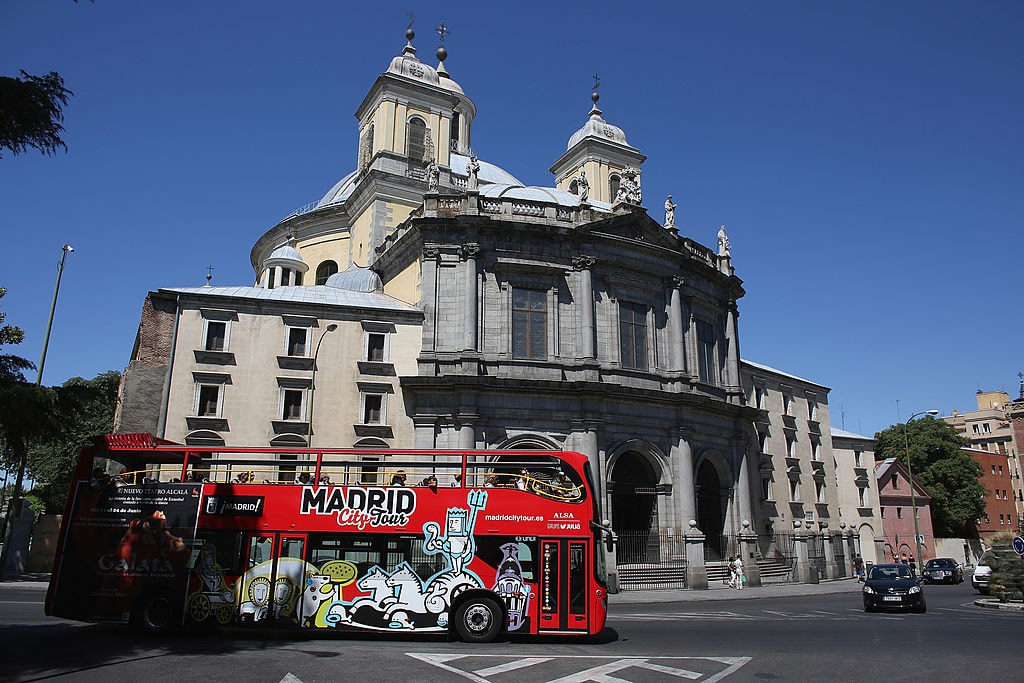
The data, outlined in a mid-March statement by the conference’s Commission for Seminaries and Universities, confirmed that 135 priests had been ordained last year, compared to 109 in 2017, with the highest figures recorded in the Madrid, Valencia and Toledo dioceses, followed by those of Seville, Alcala, Cartagena, Zaragoza and Córdoba. And while the total number entering seminaries had actually fallen, 20 per cent fewer ordinands had abandoned their courses than in the previous year.
Church experts are cautious. Nearly half of candidates come from just 15 of Spain’s 70 dioceses, where effective episcopal leadership, popular religiosity and active youth ministry have all boosted the numbers. A fifth come from seminaries operated by the Neocatecumenal Way, which some bishops have accused of evading diocesan structures, according to Spain’s Catholic Vida Nueva newsagency.

Meanwhile, with monastic life still declining across Spain and the age of clergy still averaging around 65, it may be too soon to celebrate. But the upturn has been good news for bishops urgently seeking ways to make Catholics more active in the Church’s life.

Although four-fifths of Spain’s 40 million inhabitants are still nominally Catholics, only a small proportion attend Mass, and Church-government relations are tense over plans by the country’s Socialist premier, Pedro Sánchez, to increase Church taxes and end state funding for school religion. He also wants to remove Christian symbols from public institutions and reclaim buildings not officially registered as Catholic places of worship.

Last year, the bishops’ conference said that the Church’s work was characterised by “diversity and breadth”, with its 18,000 priests, 13,000 missionaries and 106,000 catechists playing a vital role in society. The report added that the Church’s social and welfare centres had almost doubled in six years, and more than 8.5 million citizens assigned the Church a share of their taxes.

“The Church’s doors are always open,” Cardinal Ricardo Blázquez, bishops’ conference president, insisted in a speech last June. “If people look without prejudice, they’ll discover a humanising effort which respects and safeguards human dignity”.

Many challenges remain. More than a third of Spain’s seminaries saw fewer than five recruits last year, with at least one recording no admissions at all. But there may yet be an upturn in the Church’s public profile in what remains one of Europe’s most Catholic countries.

When Spain’s bishops’ conference revealed a recent 24 per cent rise in priestly ordinations, the unexpected news offered a reminder that the Church remains a social and cultural force to be reckoned with.

The data, outlined in a mid-March statement by the conference’s Commission for Seminaries and Universities, confirmed that 135 priests had been ordained last year, compared to 109 in 2017, with the highest figures recorded in the Madrid, Valencia and Toledo dioceses, followed by those of Seville, Alcala, Cartagena, Zaragoza and Córdoba. And while the total number entering seminaries had actually fallen, 20 per cent fewer ordinands had abandoned their courses than in the previous year.
Church experts are cautious. Nearly half of candidates come from just 15 of Spain’s 70 dioceses, where effective episcopal leadership, popular religiosity and active youth ministry have all boosted the numbers. A fifth come from seminaries operated by the Neocatecumenal Way, which some bishops have accused of evading diocesan structures, according to Spain’s Catholic Vida Nueva newsagency.

Meanwhile, with monastic life still declining across Spain and the age of clergy still averaging around 65, it may be too soon to celebrate. But the upturn has been good news for bishops urgently seeking ways to make Catholics more active in the Church’s life.

Although four-fifths of Spain’s 40 million inhabitants are still nominally Catholics, only a small proportion attend Mass, and Church-government relations are tense over plans by the country’s Socialist premier, Pedro Sánchez, to increase Church taxes and end state funding for school religion. He also wants to remove Christian symbols from public institutions and reclaim buildings not officially registered as Catholic places of worship.

Last year, the bishops’ conference said that the Church’s work was characterised by “diversity and breadth”, with its 18,000 priests, 13,000 missionaries and 106,000 catechists playing a vital role in society. The report added that the Church’s social and welfare centres had almost doubled in six years, and more than 8.5 million citizens assigned the Church a share of their taxes.

“The Church’s doors are always open,” Cardinal Ricardo Blázquez, bishops’ conference president, insisted in a speech last June. “If people look without prejudice, they’ll discover a humanising effort which respects and safeguards human dignity”.

Many challenges remain. More than a third of Spain’s seminaries saw fewer than five recruits last year, with at least one recording no admissions at all. But there may yet be an upturn in the Church’s public profile in what remains one of Europe’s most Catholic countries.

subscribe to
the catholic herald

Continue reading your article with a subscription.
Read 5 articles with our free plan.
Subscribe

subscribe to the catholic herald today

Our best content is exclusively available to our subscribers. Subscribe today and gain instant access to expert analysis, in-depth articles, and thought-provoking insights—anytime, anywhere. Don’t miss out on the conversations that matter most.
Subscribe