February 12, 2026

The way to empty abortion clinics

Francis Phillips
More
No items found.
Related
Min read
share

The Walls Are Talking
by Abby Johnson, Ignatius Press, £14

Whatever the political upheavals of the last few weeks in Britain, it is safe to say that changing the law on abortion will not be on the agenda. It is too divisive an issue and abortion has become too entrenched in our culture. Aren’t the terms of the Brexit negotiations more important, after all? But this is why books like this matter. They keep this politically incorrect issue in the forefront of people’s minds, reminding us that the fundamental aspect of a civilised society does not lie with trade agreements or political allegiances – it is about respect for life.
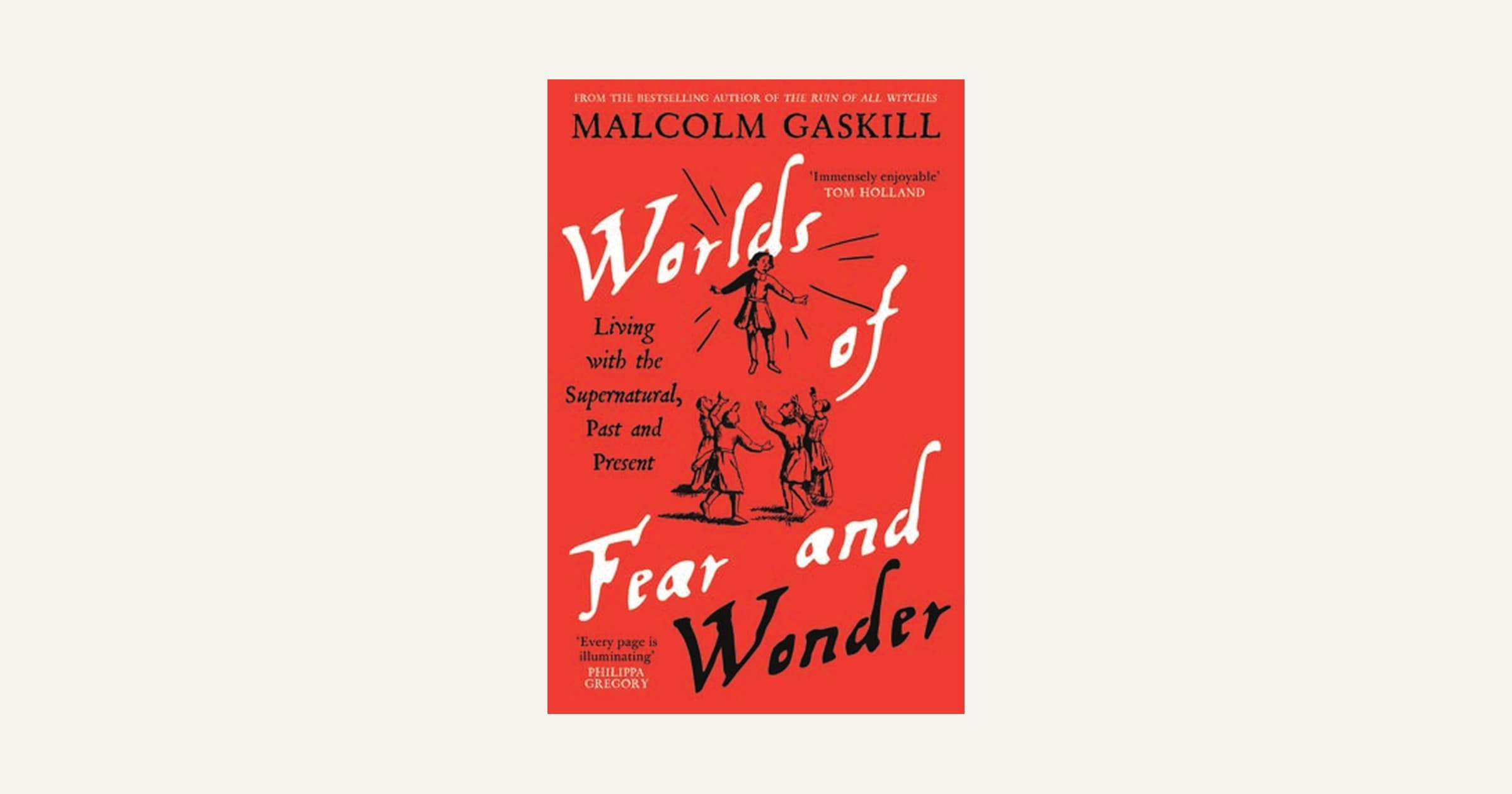
Abby Johnson, a former abortion provider for the American company Planned Parenthood, became famous in 2009 when she left her job and became pro-life. During that year she watched a 13-week-old pre-born baby lose its life during an ultrasound abortion. That changed her outlook forever as she came to realise that, in focusing on the dilemmas faced by pregnant women at her Texan clinic, she had deliberately ignored the baby involved.

Her book is a compilation of stories told to her by former clinic workers. It is not for the squeamish – but then neither is abortion itself. Respecting the anonymity of her collaborators, Johnson demonstrates time and time again that the abortion industry is not about “compassion” for the women involved, but about making money – lots of it. “Every woman who walks out of the clinic and chooses life for her child equates to lost revenue,” one former clinic worker points out.

Another former worker relates the harrowing story of an affluent young married couple who were expecting twins – their first babies. They chose to abort them at 16 weeks “because they did not fit their lifestyle”. As the narrator comments: “As long as the business is profiting, there will never be a reason too heinous to end the life of a baby at the request of its mother.”

One chapter relates the story of a young woman who changed her mind and decided to keep her baby, but who was pressured by the clinic to go ahead with her abortion. Another tells the case of a woman whose baby had died naturally in the womb, but who wasn’t told this by the clinic so that her “abortion” could go ahead, they would get their fee and she would always think she had aborted her baby. In this instance, only the conscience of the receptionist who read the woman’s medical files stopped this particular fraud.

Readers learn the case of “Angie” who had had eight abortions already and who seemed fairly blasé about the whole procedure. Coming to the clinic for her ninth “procedure”, for the first time she asked to see her dismembered baby, despite the clinic ruling that “It was of utmost importance that a piece of cloth shroud the jar containing the ‘products of conception’ from the patient.” Angie insisted and was deeply shocked as she realised what she had done. She never returned.

Readers of the book learn that many clinic workers use their job status to have their own babies aborted for free at the clinic where they work. This helps to tie them emotionally to their work and to muffle their conscience.

Johnson makes a strong case for appealing to pro-life supporters to “show up” at abortion clinics, simply to pray. Being judgmental of clinic workers won’t change them, she argues: “The prayers of the people outside were a big factor in my ultimately leaving the abortion industry.”

Johnson’s book raises the inevitable question: what does abortion do to the hearts and minds of those who regularly carry it out? It deserves to be widely read and shared.

The Walls Are Talking
by Abby Johnson, Ignatius Press, £14

Whatever the political upheavals of the last few weeks in Britain, it is safe to say that changing the law on abortion will not be on the agenda. It is too divisive an issue and abortion has become too entrenched in our culture. Aren’t the terms of the Brexit negotiations more important, after all? But this is why books like this matter. They keep this politically incorrect issue in the forefront of people’s minds, reminding us that the fundamental aspect of a civilised society does not lie with trade agreements or political allegiances – it is about respect for life.
Abby Johnson, a former abortion provider for the American company Planned Parenthood, became famous in 2009 when she left her job and became pro-life. During that year she watched a 13-week-old pre-born baby lose its life during an ultrasound abortion. That changed her outlook forever as she came to realise that, in focusing on the dilemmas faced by pregnant women at her Texan clinic, she had deliberately ignored the baby involved.

Her book is a compilation of stories told to her by former clinic workers. It is not for the squeamish – but then neither is abortion itself. Respecting the anonymity of her collaborators, Johnson demonstrates time and time again that the abortion industry is not about “compassion” for the women involved, but about making money – lots of it. “Every woman who walks out of the clinic and chooses life for her child equates to lost revenue,” one former clinic worker points out.

Another former worker relates the harrowing story of an affluent young married couple who were expecting twins – their first babies. They chose to abort them at 16 weeks “because they did not fit their lifestyle”. As the narrator comments: “As long as the business is profiting, there will never be a reason too heinous to end the life of a baby at the request of its mother.”

One chapter relates the story of a young woman who changed her mind and decided to keep her baby, but who was pressured by the clinic to go ahead with her abortion. Another tells the case of a woman whose baby had died naturally in the womb, but who wasn’t told this by the clinic so that her “abortion” could go ahead, they would get their fee and she would always think she had aborted her baby. In this instance, only the conscience of the receptionist who read the woman’s medical files stopped this particular fraud.

Readers learn the case of “Angie” who had had eight abortions already and who seemed fairly blasé about the whole procedure. Coming to the clinic for her ninth “procedure”, for the first time she asked to see her dismembered baby, despite the clinic ruling that “It was of utmost importance that a piece of cloth shroud the jar containing the ‘products of conception’ from the patient.” Angie insisted and was deeply shocked as she realised what she had done. She never returned.

Readers of the book learn that many clinic workers use their job status to have their own babies aborted for free at the clinic where they work. This helps to tie them emotionally to their work and to muffle their conscience.

Johnson makes a strong case for appealing to pro-life supporters to “show up” at abortion clinics, simply to pray. Being judgmental of clinic workers won’t change them, she argues: “The prayers of the people outside were a big factor in my ultimately leaving the abortion industry.”

Johnson’s book raises the inevitable question: what does abortion do to the hearts and minds of those who regularly carry it out? It deserves to be widely read and shared.

subscribe to
the catholic herald

Continue reading your article with a subscription.
Read 5 articles with our free plan.
Subscribe

subscribe to the catholic herald today

Our best content is exclusively available to our subscribers. Subscribe today and gain instant access to expert analysis, in-depth articles, and thought-provoking insights—anytime, anywhere. Don’t miss out on the conversations that matter most.
Subscribe