

July 15, 2026

German FSSP pilgrimage expected to double in size

Corrie Douglas-Young
More
Related
Min read
share

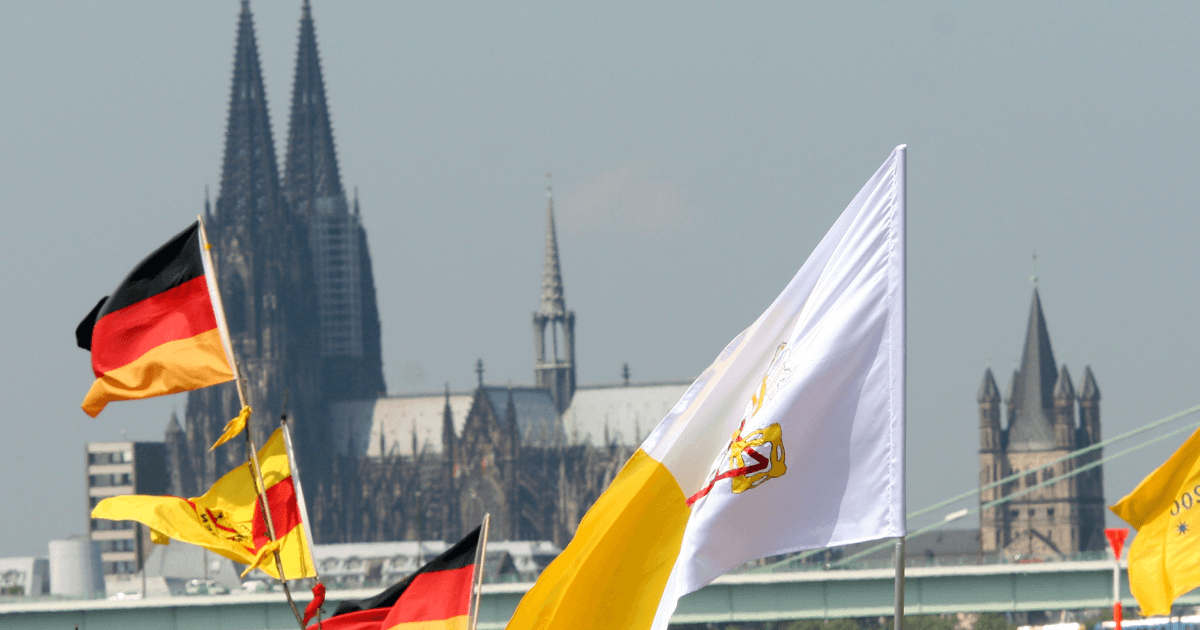
The attendance for a German traditional pilgrimage organised by the Fraternal Society of St Peter (FSSP) is set to double this year as interest continues to grow in the old rite.

The pilgrimage route goes from Cologne to Kevelaer, a historic Marian pilgrimage town in North Rhine-Westphalia which attracts a million visitors annually. Taking place from September 10 to 13 this year, it is the seventh Cologne-Kevelaer pilgrimage organised by the FSSP.

In an interview with CNA Deutsch, co-organiser Bernhard Weiskirch said the goal of the organisers was to further expand their capacities, pointing to the increasing numbers of participants in their sister pilgrimages in France and Spain, which number in the thousands and have an average of mid-20s. Weiskirch said the examples make it clear that “there is a strong interest in the traditional liturgical forms, especially among the younger generation.”
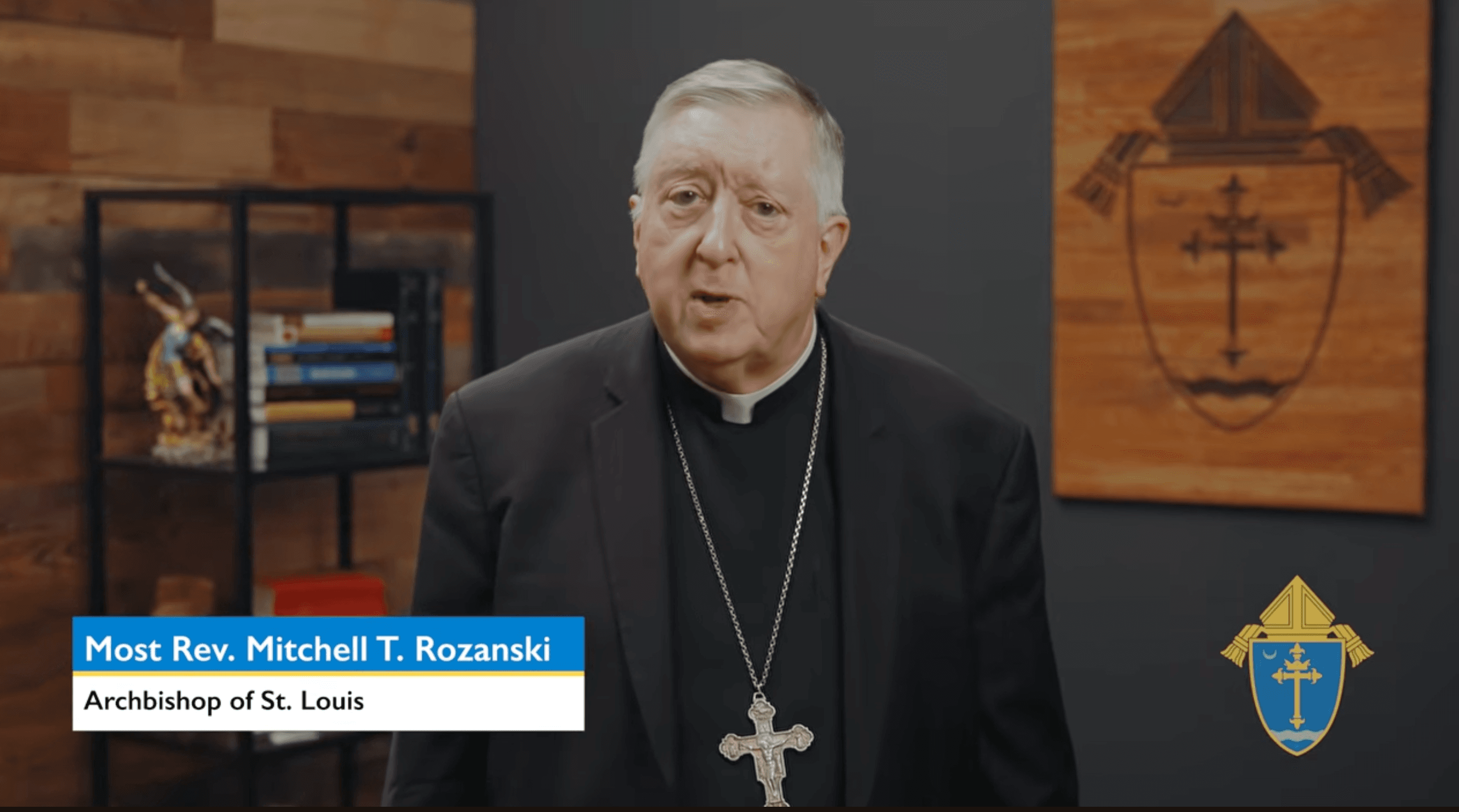

Interest in the Latin Mass appears to be a broad trend among younger Catholics, who also show an interest in the Ecclesia Dei seminaries. The average FSSP priest is 39 years old.

Weiskirch said: “We are experiencing greater interest in the pilgrimage year after year, the number of participants is steadily increasing: We already have twice as many registrations as at the same time last year. The positive development of our pilgrimage thus corresponds to the European trend.”

He stated the organisers expected the number of participants to increase by another third. He thanked the Archdiocese of Cologne and the rector of the Basilica of Our Lady of Consolation, Kevelaer, for supporting the pilgrimage.

The pilgrimage provides daily Mass, catechesis, prayer and song on the route, in the evening there is prayer, Eucharistic devotion and Compline.

The association between Kevelaer and Our Lady dates to 1641, when tradition holds that a merchant named Hendrik Busman was instructed by a voice to build a chapel in the village. It was consecrated on June 1, 1642. The shrine was raised to a Minor Basilica on April 23, 1923 by Pope Pius XI and is today Germany’s largest Catholic pilgrimage destination with more than one million visitors a year.

Continue reading with a free account

Create a free account to read up to five articles each month
Create free account

You have # free articles remaining this month.

Subscribe to get unlimited access.
Sign up

subscribe to the catholic herald today

Our best content is exclusively available to our subscribers. Subscribe today and gain instant access to expert analysis, in-depth articles, and thought-provoking insights—anytime, anywhere. Don’t miss out on the conversations that matter most.
Subscribe