


February 22, 2026

Twenty-six year old man euthanised for seasonal depression

The Catholic Herald
More
Related
Min read
share

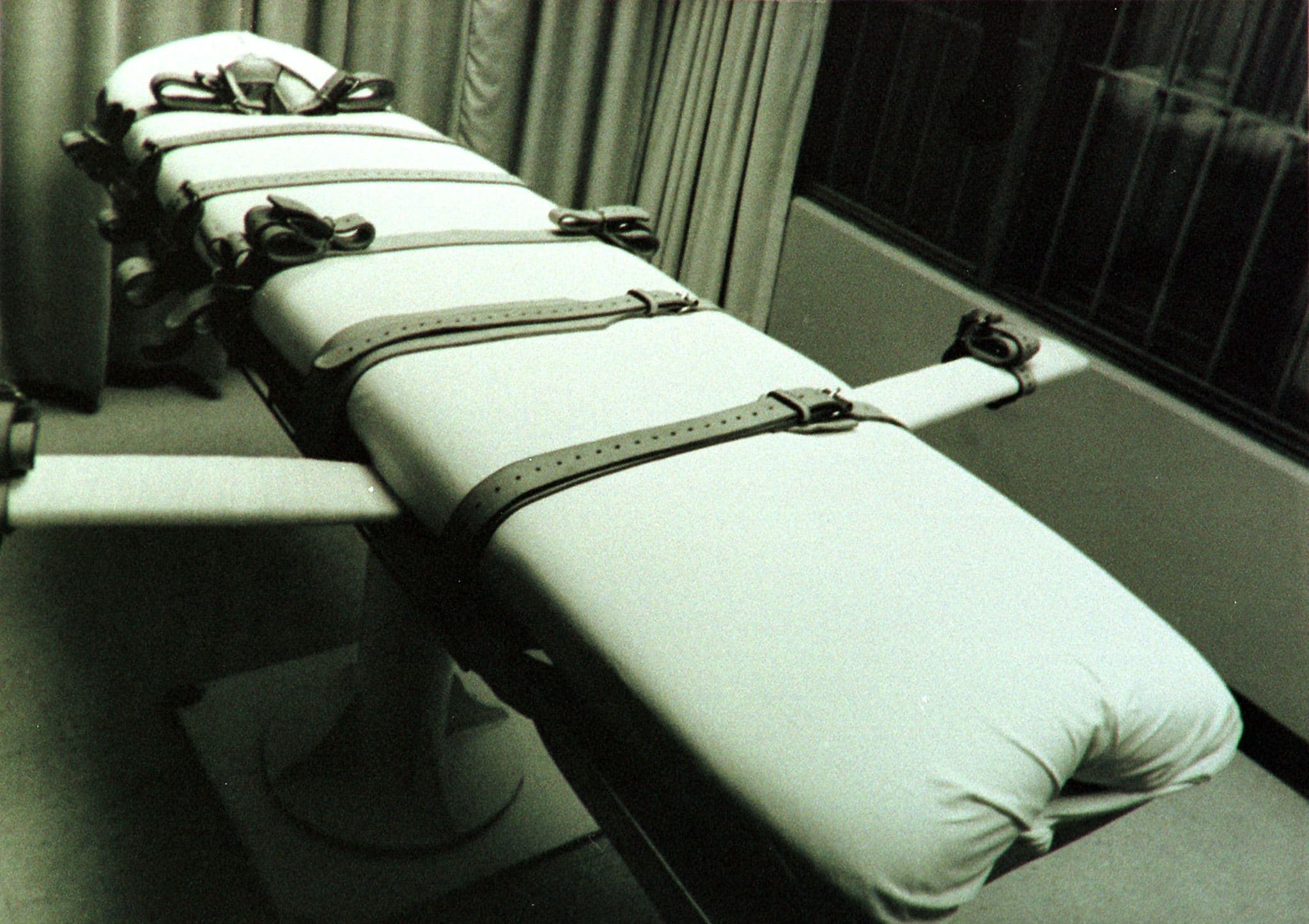
A 26-year-old Canadian man who had seasonal depression was euthanised by a notorious doctor who is personally responsible for ending the lives of more than 400 of her patients.

Kiano Vafaeian, who had partial vision loss and lived with Type 1 diabetes, faced mental health struggles, which often became worse in the winter, as a result of a car accident when he was 17. After losing vision in one of his eyes in 2022, Vafaeian became “obsessed” with ending his life through assisted dying, according to his mother, Margaret Marsilla.


Vafaeian had attempted to end his life through Canada’s assisted suicide and euthanasia programme several times but had been rejected by several doctors, with one doctor saying, “This patient does not have terminal illness and/or reasonably foreseeable natural death.”

Despite this, Dr Ellen Wiebe, one of Canada’s most prolific providers of state euthanasia, approved Vafaeian’s request, and his life was ended. Vafaeian’s parents only learned about it days later.

Wiebe, who has described her role in administering euthanasia as “the most rewarding work [I’ve] ever done”, has made headlines for her zeal in euthanising patients. Last year, she suggested that being motivated to end one’s life due to concerns about housing should be accepted as a legitimate reason for euthanasia in Canada.

“This is not healthcare. This is a failure of ethics.”

“Four years ago, here in Ontario, we were able to stop his euthanasia and get him some help”, Vafaeian’s mother said. “He was alive because people stepped in when he was vulnerable and not capable of making a final, irreversible decision.”

“This is not healthcare. This is a failure of ethics, accountability, and humanity. No parent should ever have to bury their child because a system – and a doctor – chose death over care, help or love”, she added.

The eligibility criteria for Canada’s assisted suicide and euthanasia programme have expanded rapidly since the original legislation was passed in 2016. In 2021, the Canadian Parliament repealed the requirement that the natural death of those applying for assisted suicide be “reasonably foreseeable”, known as Track 2. In 2024, legislation was introduced so that euthanasia and assisted suicide would be legal on the grounds of mental health alone from March 2027.

His mother alleged that Dr Wiebe was “coaching” Vafaeian on how he could appear eligible for assisted suicide and euthanasia under Track 2, as he had previously been rejected.

“We believe that she was coaching him on how to deteriorate his body and what she could possibly approve him for and what she could get away with approving him for”, his mother said.

“We don’t want to see any other family suffer, or any country introduce legislation that kills their disabled or vulnerable without appropriate treatment plans that could save their lives”, she added.

Fears abound that, if legalised, assisted suicide in England and Wales could permit similar atrocities. As Peers continue to scrutinise the England and Wales assisted suicide Bill in the House of Lords, cases such as that of Vafaeian add weight to the concerns of the Bill’s opponents.

The Terminally Ill Adults (End of Life) Bill would legalise assisted suicide in England and Wales for those with a prognosis of six months or less. While on paper this would limit eligibility to people thought to have six months or less left to live, it is possible that this could be interpreted broadly and include individuals with Type 1 diabetes, such as Vafaeian.

In November last year, an open letter, whose signatories included actress Sophie Turner and Gail Porter, warned that the Bill “could make individuals with eating disorders eligible for assisted death at times when they are unable to access or accept treatment.”

The letter, coordinated by Eat Breathe Thrive, warned that the Bill’s definition of “terminally ill” could be interpreted to include people with eating disorders who develop severe complications from starvation or vomiting or, in cases involving someone with Type 1 diabetes, insulin restriction.

People with anorexia could be eligible for assisted suicide after the House of Commons assisted suicide Bill Committee chose not to close this loophole in the Bill, according to eating disorder charities.

A spokesperson for Right To Life UK, Catherine Robinson, said: “This tragic case illustrates how assisted dying laws can prey on vulnerable people, especially when there are zealous proponents of euthanasia like Dr Wiebe.”

“If assisted suicide is legalised in England and Wales, horrific examples of unnecessary deaths like this would likely occur, as loopholes in the legislation that would permit them remain open, despite warnings from representative organisations.”

“Assisted suicide and euthanasia are harmful practices that cause misery everywhere they are legal. We must ensure that such barbaric laws never become the norm here.”

Read the original version of this article here. This article was originally published by Right To Life UK and is republished with permission.

A 26-year-old Canadian man who had seasonal depression was euthanised by a notorious doctor who is personally responsible for ending the lives of more than 400 of her patients.

Kiano Vafaeian, who had partial vision loss and lived with Type 1 diabetes, faced mental health struggles, which often became worse in the winter, as a result of a car accident when he was 17. After losing vision in one of his eyes in 2022, Vafaeian became “obsessed” with ending his life through assisted dying, according to his mother, Margaret Marsilla.
Vafaeian had attempted to end his life through Canada’s assisted suicide and euthanasia programme several times but had been rejected by several doctors, with one doctor saying, “This patient does not have terminal illness and/or reasonably foreseeable natural death.”

Despite this, Dr Ellen Wiebe, one of Canada’s most prolific providers of state euthanasia, approved Vafaeian’s request, and his life was ended. Vafaeian’s parents only learned about it days later.

Wiebe, who has described her role in administering euthanasia as “the most rewarding work [I’ve] ever done”, has made headlines for her zeal in euthanising patients. Last year, she suggested that being motivated to end one’s life due to concerns about housing should be accepted as a legitimate reason for euthanasia in Canada.

“This is not healthcare. This is a failure of ethics.”

“Four years ago, here in Ontario, we were able to stop his euthanasia and get him some help”, Vafaeian’s mother said. “He was alive because people stepped in when he was vulnerable and not capable of making a final, irreversible decision.”

“This is not healthcare. This is a failure of ethics, accountability, and humanity. No parent should ever have to bury their child because a system – and a doctor – chose death over care, help or love”, she added.

The eligibility criteria for Canada’s assisted suicide and euthanasia programme have expanded rapidly since the original legislation was passed in 2016. In 2021, the Canadian Parliament repealed the requirement that the natural death of those applying for assisted suicide be “reasonably foreseeable”, known as Track 2. In 2024, legislation was introduced so that euthanasia and assisted suicide would be legal on the grounds of mental health alone from March 2027.

His mother alleged that Dr Wiebe was “coaching” Vafaeian on how he could appear eligible for assisted suicide and euthanasia under Track 2, as he had previously been rejected.

“We believe that she was coaching him on how to deteriorate his body and what she could possibly approve him for and what she could get away with approving him for”, his mother said.

“We don’t want to see any other family suffer, or any country introduce legislation that kills their disabled or vulnerable without appropriate treatment plans that could save their lives”, she added.

Fears abound that, if legalised, assisted suicide in England and Wales could permit similar atrocities. As Peers continue to scrutinise the England and Wales assisted suicide Bill in the House of Lords, cases such as that of Vafaeian add weight to the concerns of the Bill’s opponents.

The Terminally Ill Adults (End of Life) Bill would legalise assisted suicide in England and Wales for those with a prognosis of six months or less. While on paper this would limit eligibility to people thought to have six months or less left to live, it is possible that this could be interpreted broadly and include individuals with Type 1 diabetes, such as Vafaeian.

In November last year, an open letter, whose signatories included actress Sophie Turner and Gail Porter, warned that the Bill “could make individuals with eating disorders eligible for assisted death at times when they are unable to access or accept treatment.”

The letter, coordinated by Eat Breathe Thrive, warned that the Bill’s definition of “terminally ill” could be interpreted to include people with eating disorders who develop severe complications from starvation or vomiting or, in cases involving someone with Type 1 diabetes, insulin restriction.

People with anorexia could be eligible for assisted suicide after the House of Commons assisted suicide Bill Committee chose not to close this loophole in the Bill, according to eating disorder charities.

A spokesperson for Right To Life UK, Catherine Robinson, said: “This tragic case illustrates how assisted dying laws can prey on vulnerable people, especially when there are zealous proponents of euthanasia like Dr Wiebe.”

“If assisted suicide is legalised in England and Wales, horrific examples of unnecessary deaths like this would likely occur, as loopholes in the legislation that would permit them remain open, despite warnings from representative organisations.”

“Assisted suicide and euthanasia are harmful practices that cause misery everywhere they are legal. We must ensure that such barbaric laws never become the norm here.”

Read the original version of this article here. This article was originally published by Right To Life UK and is republished with permission.

subscribe to
the catholic herald

Continue reading your article with a subscription.
Read 5 articles with our free plan.
Subscribe

subscribe to the catholic herald today

Our best content is exclusively available to our subscribers. Subscribe today and gain instant access to expert analysis, in-depth articles, and thought-provoking insights—anytime, anywhere. Don’t miss out on the conversations that matter most.
Subscribe