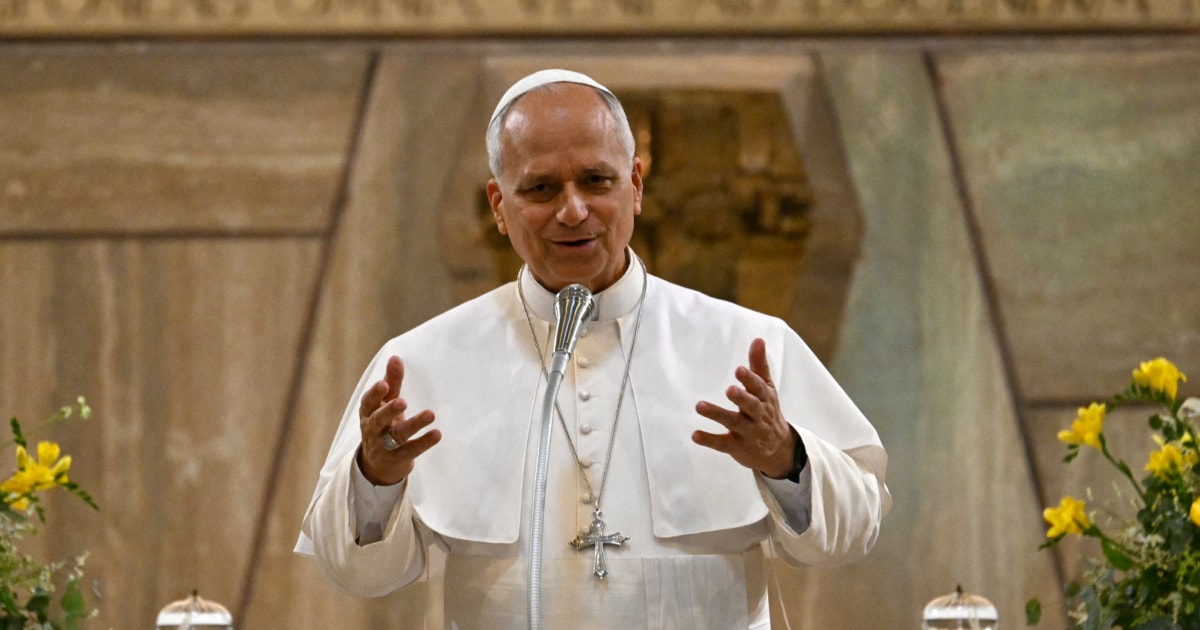




Pope Leo XIV will publish his first encyclical, Magnifica humanitas, on May 25, addressing the protection of human dignity in the age of artificial intelligence.
The Vatican said the encyclical will be presented at 11.30am in the Synod Hall. Pope Leo will give an address at the presentation, in a departure from the more usual format in which major documents are presented by Vatican officials and invited experts in the Holy See Press Office.
The document was signed by the Pope on May 15, the 135th anniversary of Pope Leo XIII’s Rerum novarum, the 1891 encyclical that became a foundational text of modern Catholic social teaching. The date is expected to underline Pope Leo XIV’s intention to place artificial intelligence within the Church’s wider reflection on work, justice, human dignity and the common good.
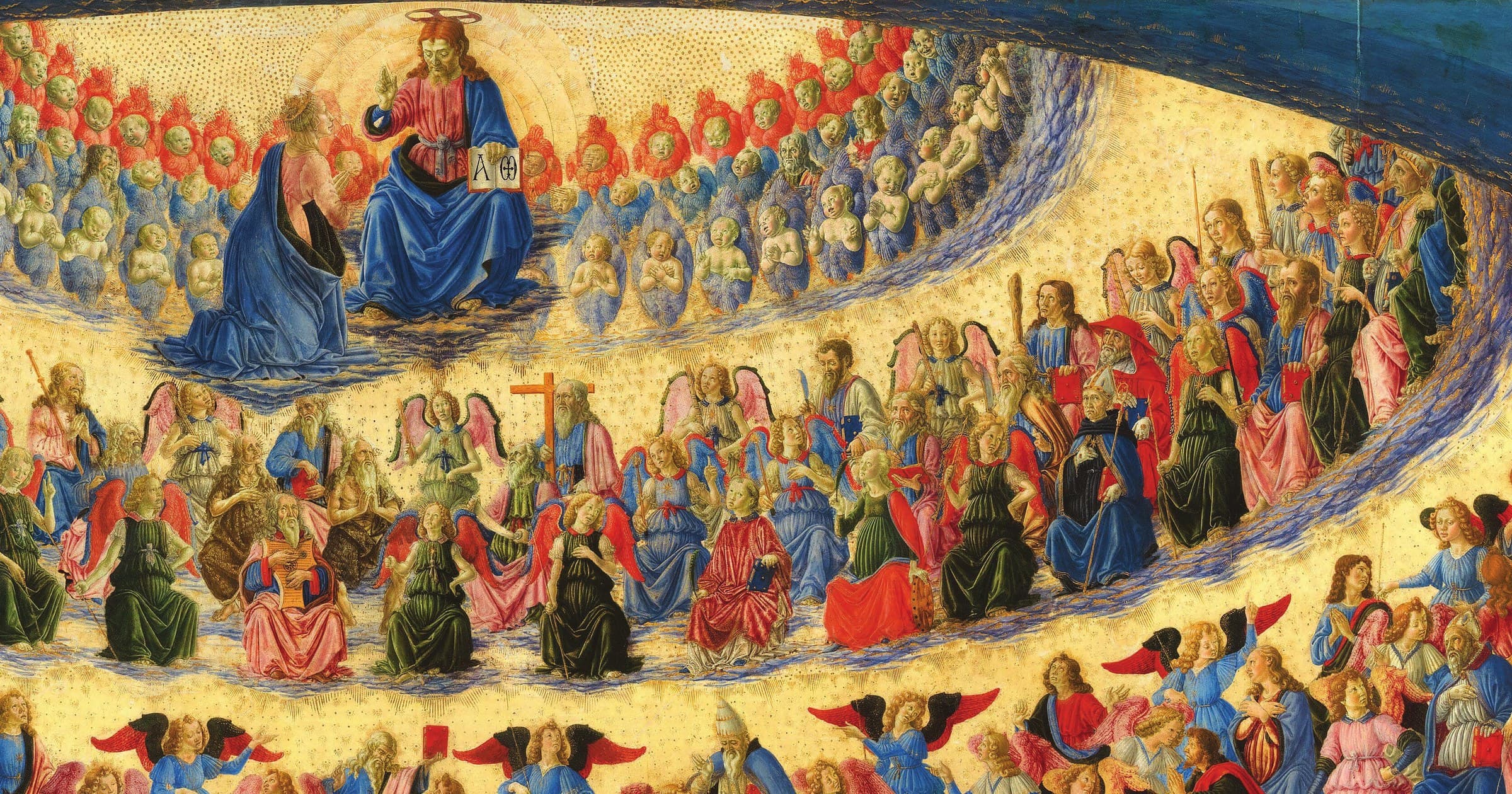
The title, Magnifica humanitas, means “magnificent humanity”. According to the Vatican announcement reported by Catholic and international media, the encyclical will focus on the human person in an age in which artificial intelligence is increasingly reshaping work, communication, education, politics and war.
Speakers at the presentation will include Cardinal Víctor Manuel Fernández, prefect of the Dicastery for the Doctrine of the Faith, and Cardinal Michael Czerny, prefect of the Dicastery for Promoting Integral Human Development. Cardinal Pietro Parolin, Secretary of State, will give concluding remarks.
Lay speakers will include Prof Anna Rowlands of Durham University, a scholar of political theology and Catholic social teaching; Christopher Olah, co-founder of Anthropic and a specialist in AI interpretability; and Dr Léocadie Lushombo of the Jesuit School of Theology at Santa Clara University.
The presence of Olah, one of the best-known figures in AI safety and interpretability research, signals the importance the Vatican is attaching to the technical as well as moral dimensions of the debate. AP reported that Pope Leo has already made artificial intelligence a priority of his pontificate and has expressed concern about its use in warfare and the need to monitor how the technology is deployed.
The encyclical is expected to continue the Church’s growing engagement with artificial intelligence, following repeated warnings by Pope Francis about the risks of reducing human beings to data points and allowing technological systems to deepen inequality, surveillance or autonomous warfare.
By signing the document on the anniversary of Rerum novarum, Pope Leo XIV appears to be drawing an explicit parallel between the Industrial Revolution, which raised urgent questions about labour and social justice in the 19th century, and the technological revolution now being driven by artificial intelligence.
Further details of the encyclical’s contents will be released when Magnifica humanitas is presented on May 25.

.jpg)