
December 19, 2025
December 19, 2025

Westminster receives its new archbishop

Min read
share

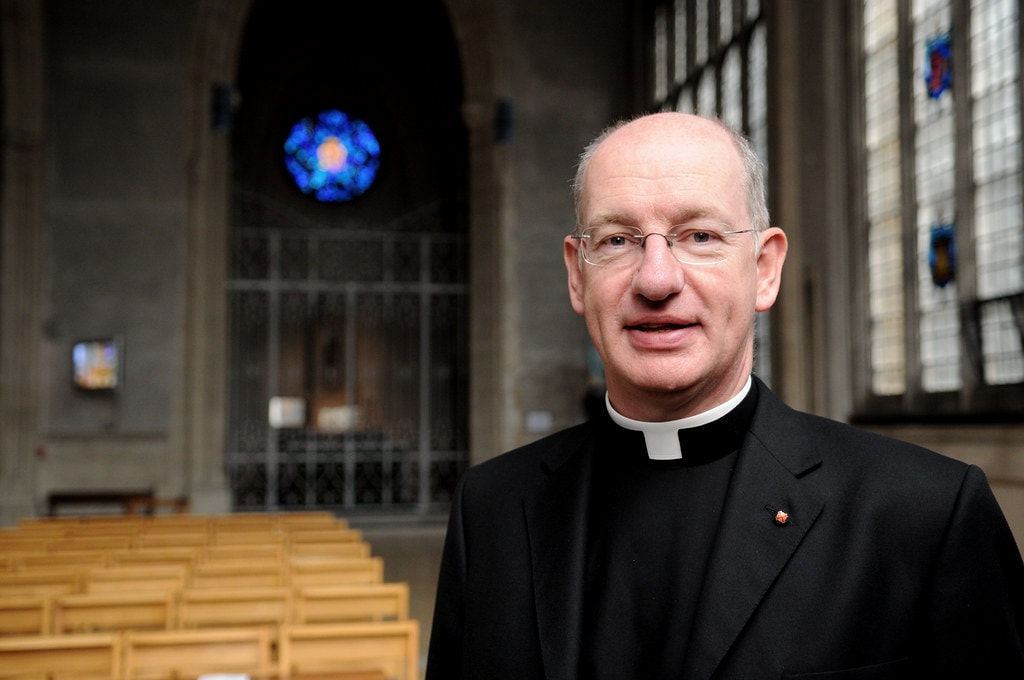
Pope Leo XIV has appointed Bishop Richard Moth as the next Archbishop of Westminster, naming an experienced English bishop to succeed Cardinal Vincent Nichols at the helm of England and Wales’ most prominent diocese.

The announcement, made on 19 December, confirms that Bishop Moth, currently Bishop of Arundel and Brighton, will become the 12th Archbishop of Westminster. Cardinal Nichols, who has led the diocese since 2009, will remain in post as Apostolic Administrator until Archbishop elect Moth is installed at Westminster Cathedral on 14 February 2026.
In his first remarks following the appointment, Archbishop elect Moth spoke of his gratitude to the Pope and to his predecessor. “I am moved greatly by the trust that Pope Leo has placed in me, in appointing me to the Diocese of Westminster,” he said, adding that he was “so grateful for the support being given to me by Cardinal Vincent Nichols at this time”. He paid tribute to Cardinal Nichols’ long service, saying that he “has given dedicated service to the Diocese and will be missed greatly”.

Speaking about his decade in Arundel and Brighton, Archbishop elect Moth said that the role had given him “the wonderful opportunity of sharing the Church’s mission with lay faithful and clergy”, and he expressed thanks “for the many blessings of these last ten years”. Looking ahead to Westminster, he said that his first priority would be to meet clergy and faithful across the diocese. “My first task will be to get to know the priests and people of Westminster and I look forward, now, to serving them,” he said, adding that he hoped to build “on the firm foundations that have been laid by so many down the years”.

Cardinal Nichols welcomed the appointment warmly, describing his successor as a bishop of considerable experience. “I am delighted at this news,” he said. “Archbishop elect Richard will bring to our Diocese many gifts and considerable episcopal experience from his years of ministry in the Diocese of Arundel and Brighton, and before that as Bishop of the Forces.” Noting the date set for the installation, he pointed out that it would fall on St Valentine’s Day, as well as the Feast of Saints Cyril and Methodius, co patrons of Europe.

The Cardinal also recalled Bishop Moth’s earlier connection to Westminster Cathedral, where he was ordained Bishop of the Forces in 2009. “So today I can say, ‘Welcome back, dear Bishop Richard. You are most welcome indeed,’” he said.

Born in Chingola, Zambia, in 1958 and brought up in Kent, Archbishop elect Moth was ordained to the priesthood for the Archdiocese of Southwark in 1982. His early ministry combined parish work with further studies in canon law, as well as service as a Territorial Army chaplain. He later became a close collaborator of Archbishop Michael Bowen, serving for almost a decade as his private secretary while also holding senior diocesan responsibilities.

His episcopal ministry has been marked by sustained engagement with the armed forces, social justice and education. As Bishop of the Forces from 2009 to 2015, he ministered to Catholic personnel and their families across the services, before moving to Arundel and Brighton, where he has overseen a geographically wide and pastorally diverse diocese. At national level, he chairs the Bishops’ Conference Department for Social Justice and serves as liaison bishop for prisons.

The appointment comes at a significant moment for the Diocese of Westminster, which marked its 175th anniversary in 2025. Established in 1850 following the restoration of the Catholic hierarchy in England and Wales, the diocese has long held a distinctive role in public and ecclesial life, encompassing much of north London and Hertfordshire and serving communities of striking cultural and linguistic diversity.

As Archbishop elect Moth prepares to take up his new responsibilities, attention will focus on how his pastoral and administrative experience will shape the next chapter in the life of the diocese, as it seeks to sustain its mission of evangelisation, charity and public witness in a rapidly changing social landscape.

Pope Leo XIV has appointed Bishop Richard Moth as the next Archbishop of Westminster, naming an experienced English bishop to succeed Cardinal Vincent Nichols at the helm of England and Wales’ most prominent diocese.

The announcement, made on 19 December, confirms that Bishop Moth, currently Bishop of Arundel and Brighton, will become the 12th Archbishop of Westminster. Cardinal Nichols, who has led the diocese since 2009, will remain in post as Apostolic Administrator until Archbishop elect Moth is installed at Westminster Cathedral on 14 February 2026.
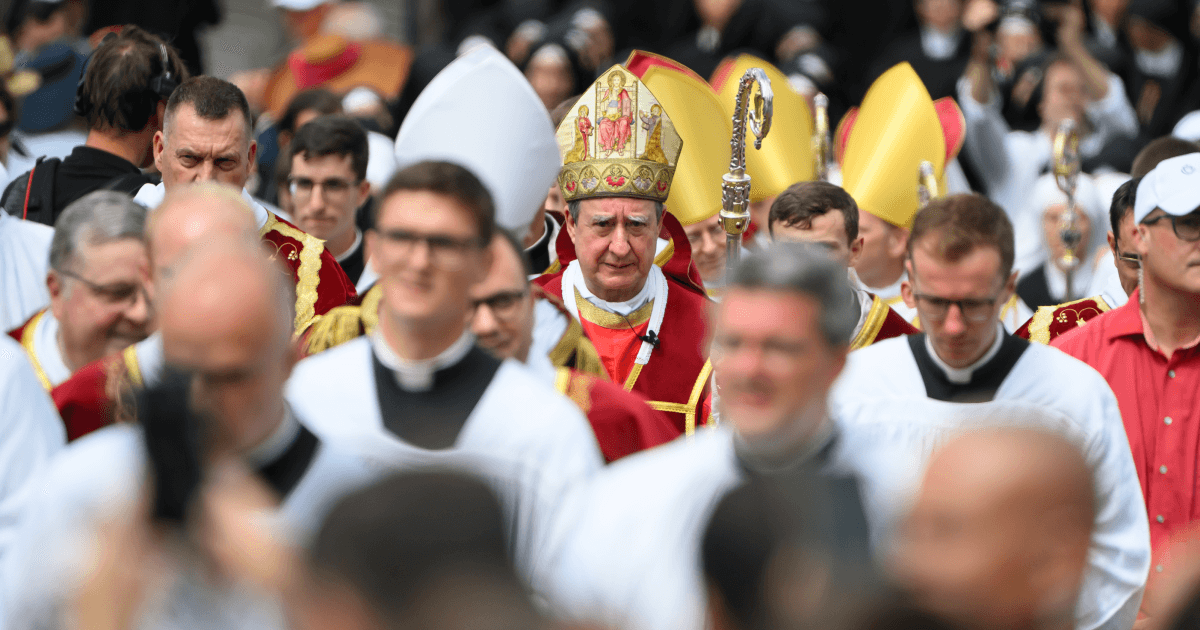
In his first remarks following the appointment, Archbishop elect Moth spoke of his gratitude to the Pope and to his predecessor. “I am moved greatly by the trust that Pope Leo has placed in me, in appointing me to the Diocese of Westminster,” he said, adding that he was “so grateful for the support being given to me by Cardinal Vincent Nichols at this time”. He paid tribute to Cardinal Nichols’ long service, saying that he “has given dedicated service to the Diocese and will be missed greatly”.

Speaking about his decade in Arundel and Brighton, Archbishop elect Moth said that the role had given him “the wonderful opportunity of sharing the Church’s mission with lay faithful and clergy”, and he expressed thanks “for the many blessings of these last ten years”. Looking ahead to Westminster, he said that his first priority would be to meet clergy and faithful across the diocese. “My first task will be to get to know the priests and people of Westminster and I look forward, now, to serving them,” he said, adding that he hoped to build “on the firm foundations that have been laid by so many down the years”.

Cardinal Nichols welcomed the appointment warmly, describing his successor as a bishop of considerable experience. “I am delighted at this news,” he said. “Archbishop elect Richard will bring to our Diocese many gifts and considerable episcopal experience from his years of ministry in the Diocese of Arundel and Brighton, and before that as Bishop of the Forces.” Noting the date set for the installation, he pointed out that it would fall on St Valentine’s Day, as well as the Feast of Saints Cyril and Methodius, co patrons of Europe.

The Cardinal also recalled Bishop Moth’s earlier connection to Westminster Cathedral, where he was ordained Bishop of the Forces in 2009. “So today I can say, ‘Welcome back, dear Bishop Richard. You are most welcome indeed,’” he said.

Born in Chingola, Zambia, in 1958 and brought up in Kent, Archbishop elect Moth was ordained to the priesthood for the Archdiocese of Southwark in 1982. His early ministry combined parish work with further studies in canon law, as well as service as a Territorial Army chaplain. He later became a close collaborator of Archbishop Michael Bowen, serving for almost a decade as his private secretary while also holding senior diocesan responsibilities.

His episcopal ministry has been marked by sustained engagement with the armed forces, social justice and education. As Bishop of the Forces from 2009 to 2015, he ministered to Catholic personnel and their families across the services, before moving to Arundel and Brighton, where he has overseen a geographically wide and pastorally diverse diocese. At national level, he chairs the Bishops’ Conference Department for Social Justice and serves as liaison bishop for prisons.

The appointment comes at a significant moment for the Diocese of Westminster, which marked its 175th anniversary in 2025. Established in 1850 following the restoration of the Catholic hierarchy in England and Wales, the diocese has long held a distinctive role in public and ecclesial life, encompassing much of north London and Hertfordshire and serving communities of striking cultural and linguistic diversity.

As Archbishop elect Moth prepares to take up his new responsibilities, attention will focus on how his pastoral and administrative experience will shape the next chapter in the life of the diocese, as it seeks to sustain its mission of evangelisation, charity and public witness in a rapidly changing social landscape.

share

subscribe to the catholic herald today

Our best content is exclusively available to our subscribers. Subscribe today and gain instant access to expert analysis, in-depth articles, and thought-provoking insights—anytime, anywhere. Don’t miss out on the conversations that matter most.
Subscribe