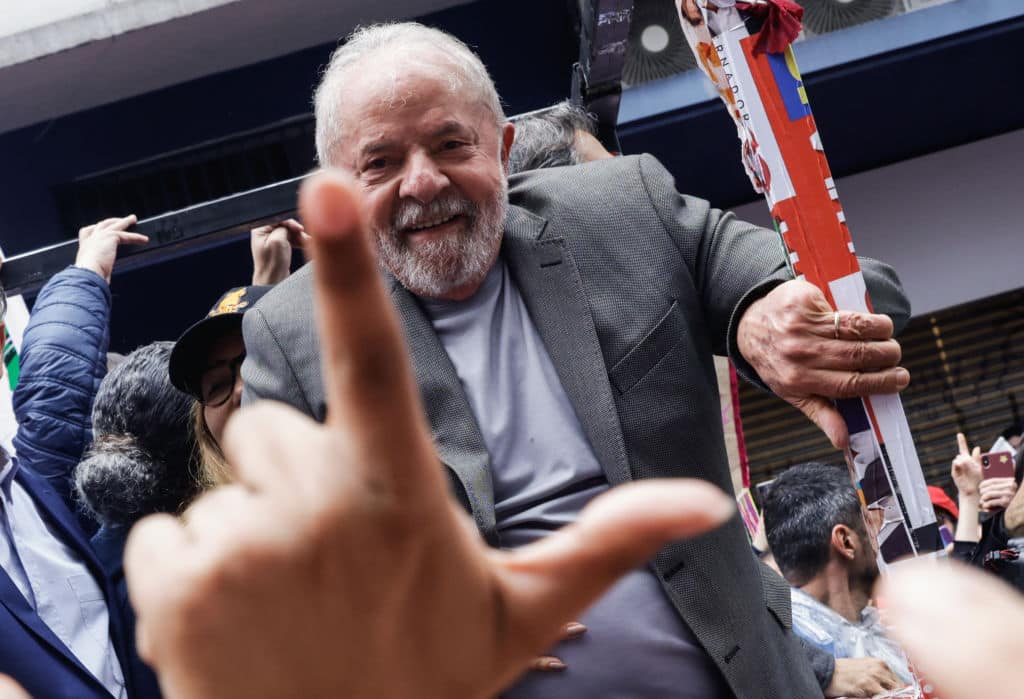





Last weekend, Brazil’s former President, Luiz Inácio Lula da Silva, defeated the “Trump of the tropics”, Jair Bolsonaro, to become the next President of Brazil.
Winning by only 50.9 per cent, however, his victory was far from convincing and points to a country more divided than ever, even as it pivots to the left. It has nevertheless been hailed as a big comeback for “Lula”, who had previously been jailed on corruption charges until his conviction was annulled.
In many ways the Lula vs. Bolsonaro divide mirrors other divisions which have come to define Brazil: race, religion, and income. Lula has tended to appeal to the black and mixed-race combined majority, who tend to be poorer and whose focus is mostly on social justice and welfare, as well as a higher proportion of Catholic voters. Bolsonaro has instead tended to appeal to the wealthier white minority who tend to focus more on public order, as well as a growing cohort of Evangelical Protestants, and big business.