




I recently reread C G Jung’s Memories, Dreams and Reflections, a late series of interviews with Aniela Jaffe, in which he touched on his early life and its influences, his interpretation of many of his dreams and his perspective on the “spirit world.” I put this in quote marks because Jung’s spirituality was entirely gnostic and not to be confused with Christian spirituality – even if he does acknowledge the psychological benefits of the Catholic sacrament of Confession.
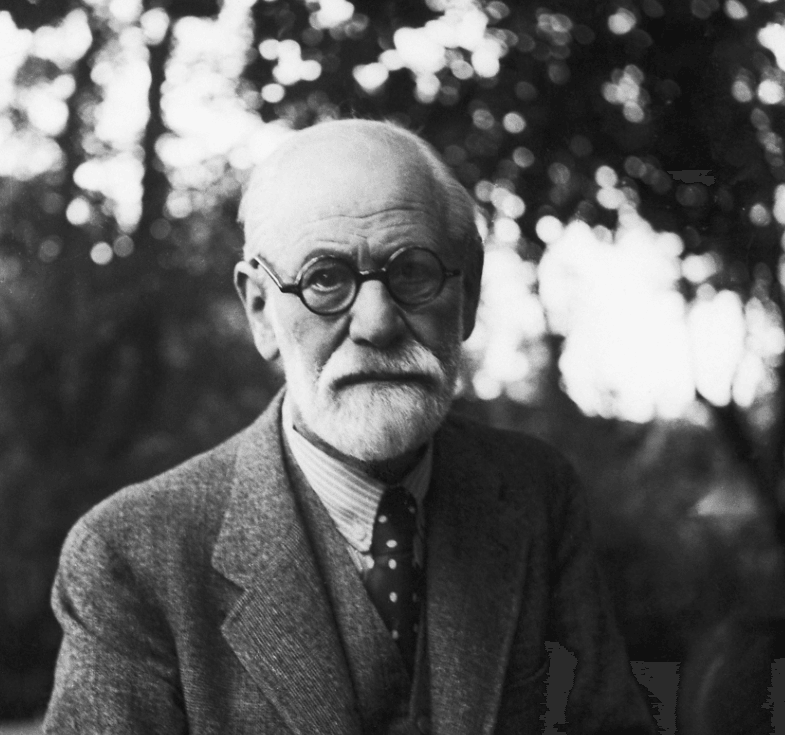
Yet, given his long predilection for and experience of dealing with madness, neurosis and psychosis, he could be insightful about other people’s inner tensions, none more so than about his former friend, colleague and mentor, Sigmund Freud. It is well known in psychology circles that Freud and Jung fell out and parted company over what lay behind deep-seated human drives: the sexual instinct (Freud) or wider religious and archetypical bearings (Jung).