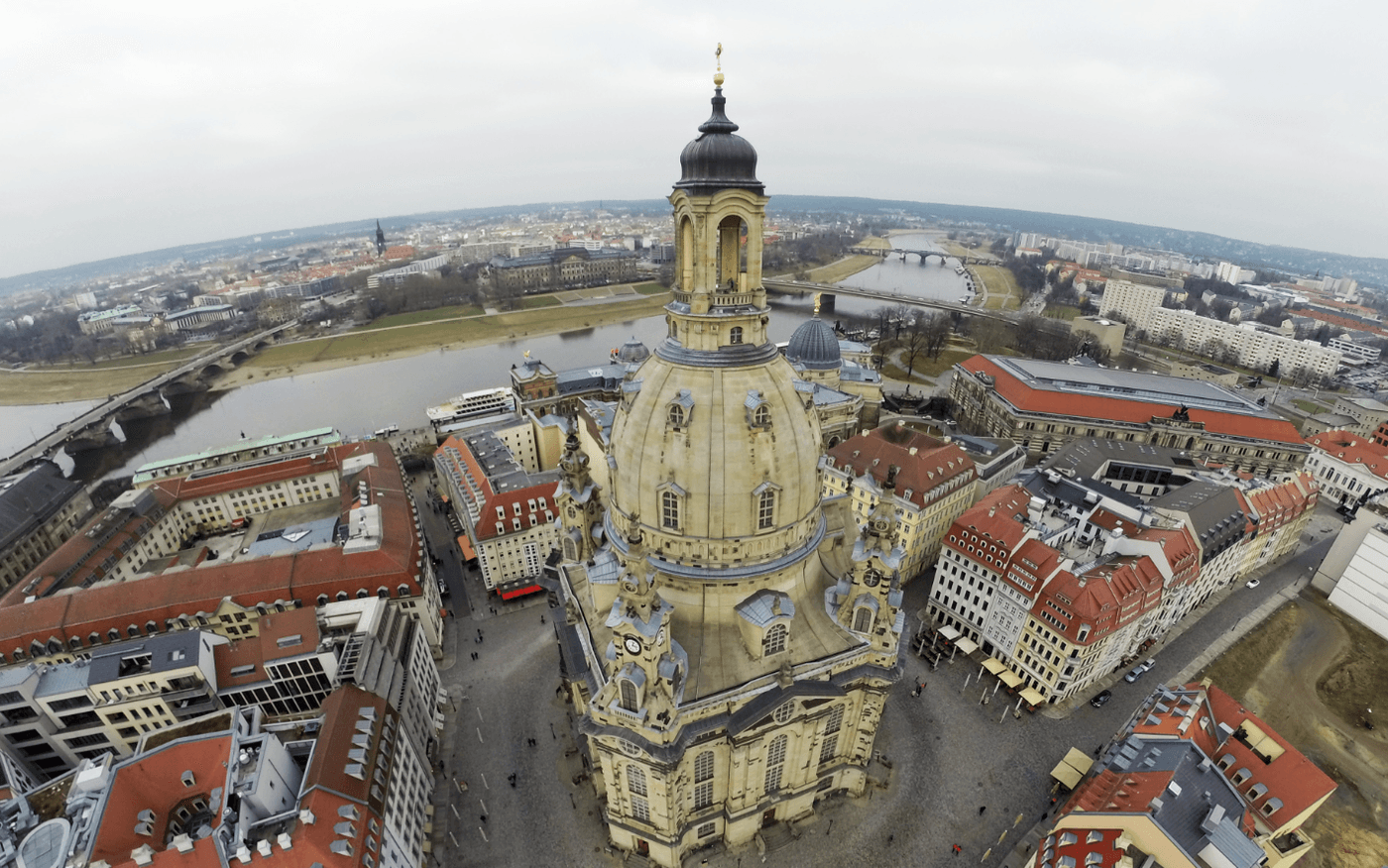


Dresden, 1650. The Thirty Years’ War, officially over for only two years, hadn’t just decimated the population of Saxony – which, technically, would suggest a reduction by 10 per cent. Between disease, famine and murder, it had wiped out a gruesomely unimaginable two thirds.
Death was more present than life – a fact that did not spare the great court ensembles of the Saxon Elector, Johann Georg I and that of his eldest (surviving) son, the future Johann Georg II.
Around that time the great but ageing German master of music, Heinrich Schütz, published the second and third volumes of his Symphoniae sacrae – his Opus summum – in the hopes to rebuild musical life to its former glory. But Johann Georg Sr didn’t have the necessary will, enthusiasm, funds or energy for a musical renaissance à la Schütz and his son lacked the taste for it. Italian music had already become all the rage – and would remain so for the coming years and decades. Musicians were hired from Italy at high salaries (a cruel lesson about supply and demand for the local talent that played on the cheap) and Schütz, peeved, retired with that classic disgruntled old-timer’s complaint on his lips: “Oh, how the young generation seems to become tired of the established mores so quickly!” (An actual quote, that.)