



Written by an educated Greek, this book tells the story of a living protagonist, Jesus of Nazareth, says Piers Paul Read.
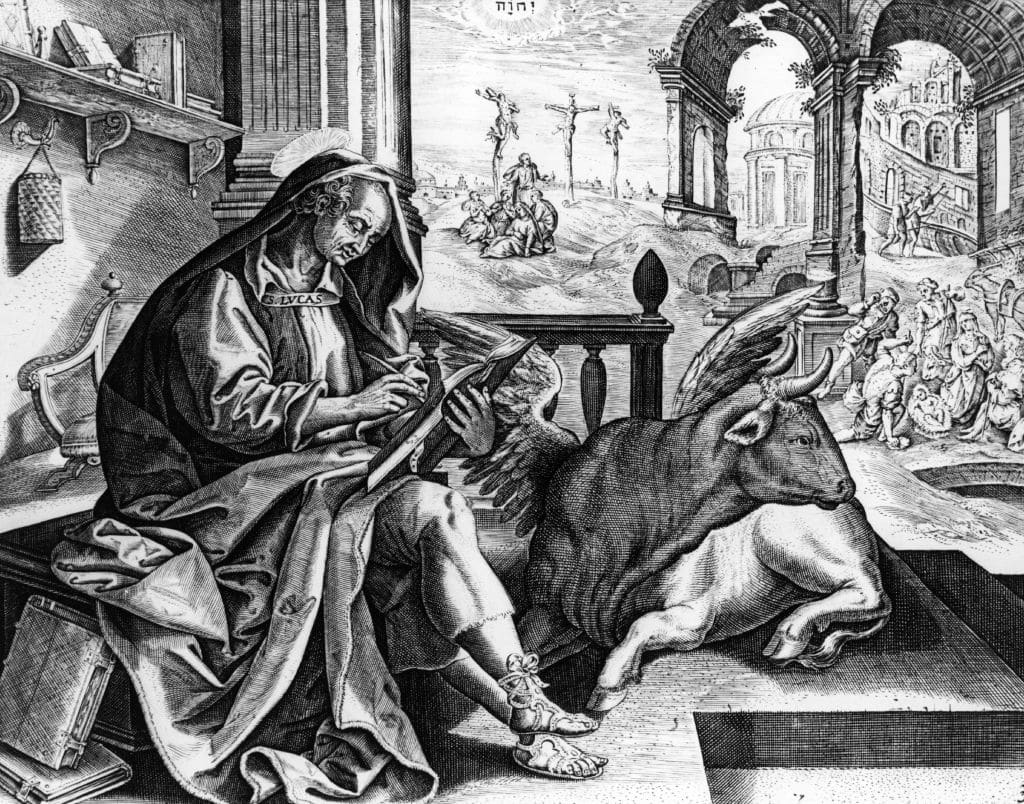
For all the wisdom, colour and drama in the books of the Old Testament, we get to know God incarnate only through the Gospels, and of the four Gospels the one that appeals most to me as a writer of history and reportage is that of my fellow-practitioner, St Luke. He was more like us in other ways – a Greek, not a Jew, and with a better and wider education than the other evangelists; a doctor with a measure of scientific knowledge, and an author with a cultivated style to appeal (it is thought) to Gentile converts to Christianity: it is not difficult for a modern reader to see him or herself as Theophilus to whom both Luke’s Gospel, and the Acts of the Apostles – which are traditionally associated with him – are addressed. Thus, when a sceptical friend or acquaintance shows an interest in the Catholic faith, I always advise them to read Luke’s Gospel – but not in an intelligent modern translation such as that of the 1966 Jerusalem Bible. Instead I ask them to read it as if it were a work of fiction and see what they make of the author’s protagonist, Jesus of Nazareth.