



February 12, 2026

Will voters forgive Boris?

Mary Kenny
More
Related
Min read
share

When Anthony Eden became prime minister in 1955 – having effectively been kept out of the job by Churchill overstaying his tenure – he was the first occupant of 10 Downing Street to have been divorced.

The fact was kept as discreet as possible, and when it did emerge, it was pointed out that in the breakdown of his first marriage, Eden had been “the innocent party”. The divorce hadn’t really been his fault.

When Boris Johnson, a possible con-tender for the future occupancy of No 10, announced last week his impending divorce, the Tory MP Nigel Evans said he did not think this would affect voters’ view of him. “It is 2018,” he said. We are not in the 1950s now, so things move on.”


Yes, attitudes to divorce have changed since the 1950s, but so have those within the media – print, online and “social”. There will be nothing discreet about Boris’s divorce. Every jot or tittle about “bonking Boris” (The Sun’s nickname for him) will be on the daily news feed of the tabloids; and indeed of the serious press too.

People may be less “judgmental” (in Nigel Evans’s words) about divorce, but when it comes to public lives, they’re a lot more prurient, intrusive and less respectful of privacy. Hot on the heels of the impending divorce announcement came tabloid information about the new, younger woman in his life.

This may not make any impact on the likes of Nigel Evans – a keen Brexiteer, and thus a political ally of Boris – but we cannot be too sure about how women voters will react. They may come to feel that Marina, Boris’s wife, has been treated shabbily, and humiliated by the publicity. Women voters may see Boris as bit of a bounder – and maybe they wouldn’t be entirely wrong, likeable though he is.

The public is certainly not as critical of divorce as it used to be. But sometimes the circumstances matter. And the view of Boris’s character may depend quite a bit on the context. His political foes have already compiled a dossier on his character which is unlikely to be edifying.

Younger people don’t use words like “adultery” or even “infidelity”, which they consider Old Testament-ish. Instead, they speak of marital “cheating”. But being a cheat isn’t much admired either.

.......

There’s a movement in the performing arts calling for “authenticity” of casting, whereby only gay actors should play gay characters, disabled actors disabled characters and, of course, black actors play black characters. It’s daft if you imagine the casting call for an actor to play Hamlet: “Must be Danish, of royal blood and suicidal.”

However, when a drama involves a subject you know about, perhaps you do look at the casting with a sharper eye. Mother’s Day was a very moving drama-documentary on BBC One recently (well worth seeing on catch-up) about the terrible events in Warrington in 1993, when two boys were killed by an IRA bomb.

Vicky McClure played a Dublin mother, Susan McHugh, who started a peace campaign after being horrified by the Warrington events. Ms McClure, who is English, is an excellent performer, but why couldn’t they have cast a Dublin actress in the part? There are plenty of fine thespians in Ireland who would have given it that extra nuance of authenticity, especially when it came to the accent.

Sometimes it’s worth exploring ideas which at first glance can seem a little extreme, but which can make sense.

.......

I love the way Italians celebrate their local saints, so it’s nice to see a locality in Kent venerate their own Kentish one. On Sunday afternoon, September 16, there will be devotions at St Edith’s Well at Kemsing, three miles from Sevenoaks – rosary and vespers at the Church of St Mary the Virgin, Kemsing, then afternoon tea at The Bell public house.

St Edith of Kemsing (936-986) was the daughter of King Edgar and she refused the crown of England to become a nun. She is particularly invoked to ease diseases of the eyes and for the success of the harvest. An evocative spiritual and historical exercise.

Follow Mary Kenny on Twitter: @MaryKenny4

When Anthony Eden became prime minister in 1955 – having effectively been kept out of the job by Churchill overstaying his tenure – he was the first occupant of 10 Downing Street to have been divorced.

The fact was kept as discreet as possible, and when it did emerge, it was pointed out that in the breakdown of his first marriage, Eden had been “the innocent party”. The divorce hadn’t really been his fault.

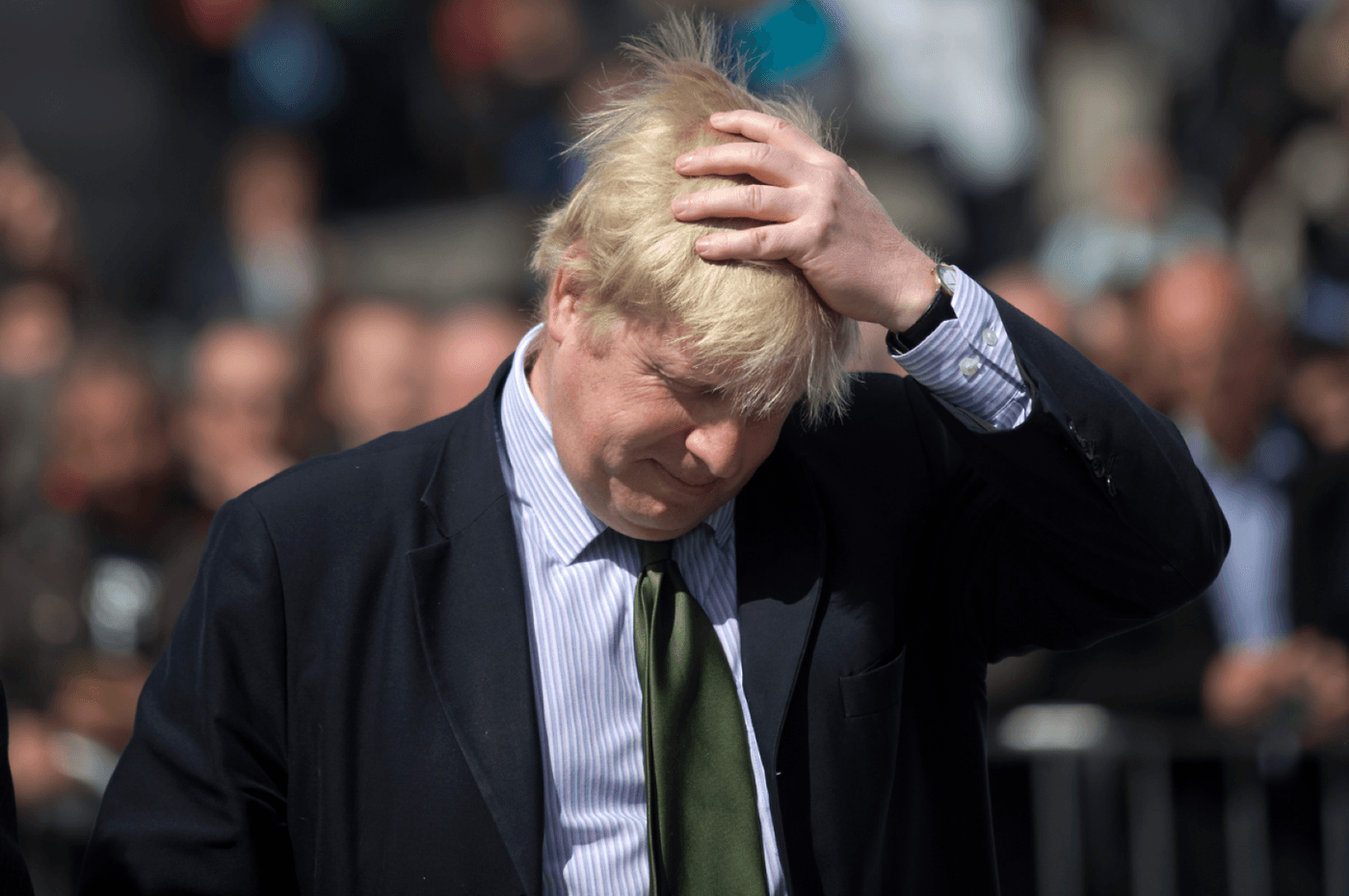
When Boris Johnson, a possible con-tender for the future occupancy of No 10, announced last week his impending divorce, the Tory MP Nigel Evans said he did not think this would affect voters’ view of him. “It is 2018,” he said. We are not in the 1950s now, so things move on.”
Yes, attitudes to divorce have changed since the 1950s, but so have those within the media – print, online and “social”. There will be nothing discreet about Boris’s divorce. Every jot or tittle about “bonking Boris” (The Sun’s nickname for him) will be on the daily news feed of the tabloids; and indeed of the serious press too.

People may be less “judgmental” (in Nigel Evans’s words) about divorce, but when it comes to public lives, they’re a lot more prurient, intrusive and less respectful of privacy. Hot on the heels of the impending divorce announcement came tabloid information about the new, younger woman in his life.

This may not make any impact on the likes of Nigel Evans – a keen Brexiteer, and thus a political ally of Boris – but we cannot be too sure about how women voters will react. They may come to feel that Marina, Boris’s wife, has been treated shabbily, and humiliated by the publicity. Women voters may see Boris as bit of a bounder – and maybe they wouldn’t be entirely wrong, likeable though he is.

The public is certainly not as critical of divorce as it used to be. But sometimes the circumstances matter. And the view of Boris’s character may depend quite a bit on the context. His political foes have already compiled a dossier on his character which is unlikely to be edifying.

Younger people don’t use words like “adultery” or even “infidelity”, which they consider Old Testament-ish. Instead, they speak of marital “cheating”. But being a cheat isn’t much admired either.

.......

There’s a movement in the performing arts calling for “authenticity” of casting, whereby only gay actors should play gay characters, disabled actors disabled characters and, of course, black actors play black characters. It’s daft if you imagine the casting call for an actor to play Hamlet: “Must be Danish, of royal blood and suicidal.”

However, when a drama involves a subject you know about, perhaps you do look at the casting with a sharper eye. Mother’s Day was a very moving drama-documentary on BBC One recently (well worth seeing on catch-up) about the terrible events in Warrington in 1993, when two boys were killed by an IRA bomb.

Vicky McClure played a Dublin mother, Susan McHugh, who started a peace campaign after being horrified by the Warrington events. Ms McClure, who is English, is an excellent performer, but why couldn’t they have cast a Dublin actress in the part? There are plenty of fine thespians in Ireland who would have given it that extra nuance of authenticity, especially when it came to the accent.

Sometimes it’s worth exploring ideas which at first glance can seem a little extreme, but which can make sense.

.......

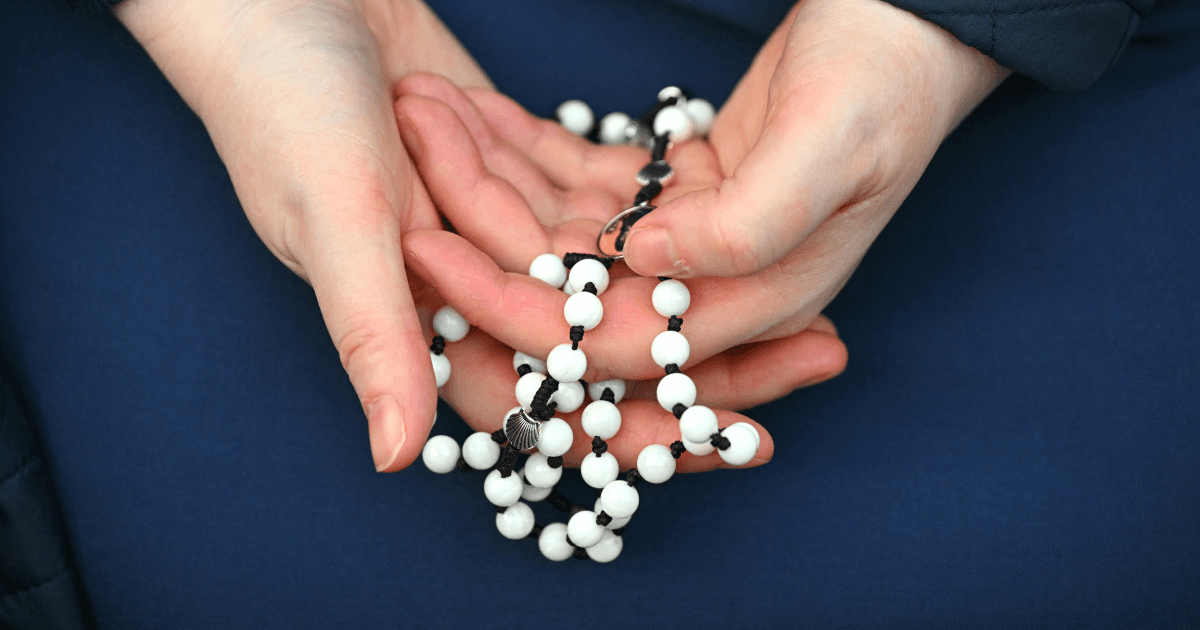
I love the way Italians celebrate their local saints, so it’s nice to see a locality in Kent venerate their own Kentish one. On Sunday afternoon, September 16, there will be devotions at St Edith’s Well at Kemsing, three miles from Sevenoaks – rosary and vespers at the Church of St Mary the Virgin, Kemsing, then afternoon tea at The Bell public house.

St Edith of Kemsing (936-986) was the daughter of King Edgar and she refused the crown of England to become a nun. She is particularly invoked to ease diseases of the eyes and for the success of the harvest. An evocative spiritual and historical exercise.

Follow Mary Kenny on Twitter: @MaryKenny4

subscribe to
the catholic herald

Continue reading your article with a subscription.
Read 5 articles with our free plan.
Subscribe

subscribe to the catholic herald today

Our best content is exclusively available to our subscribers. Subscribe today and gain instant access to expert analysis, in-depth articles, and thought-provoking insights—anytime, anywhere. Don’t miss out on the conversations that matter most.
Subscribe