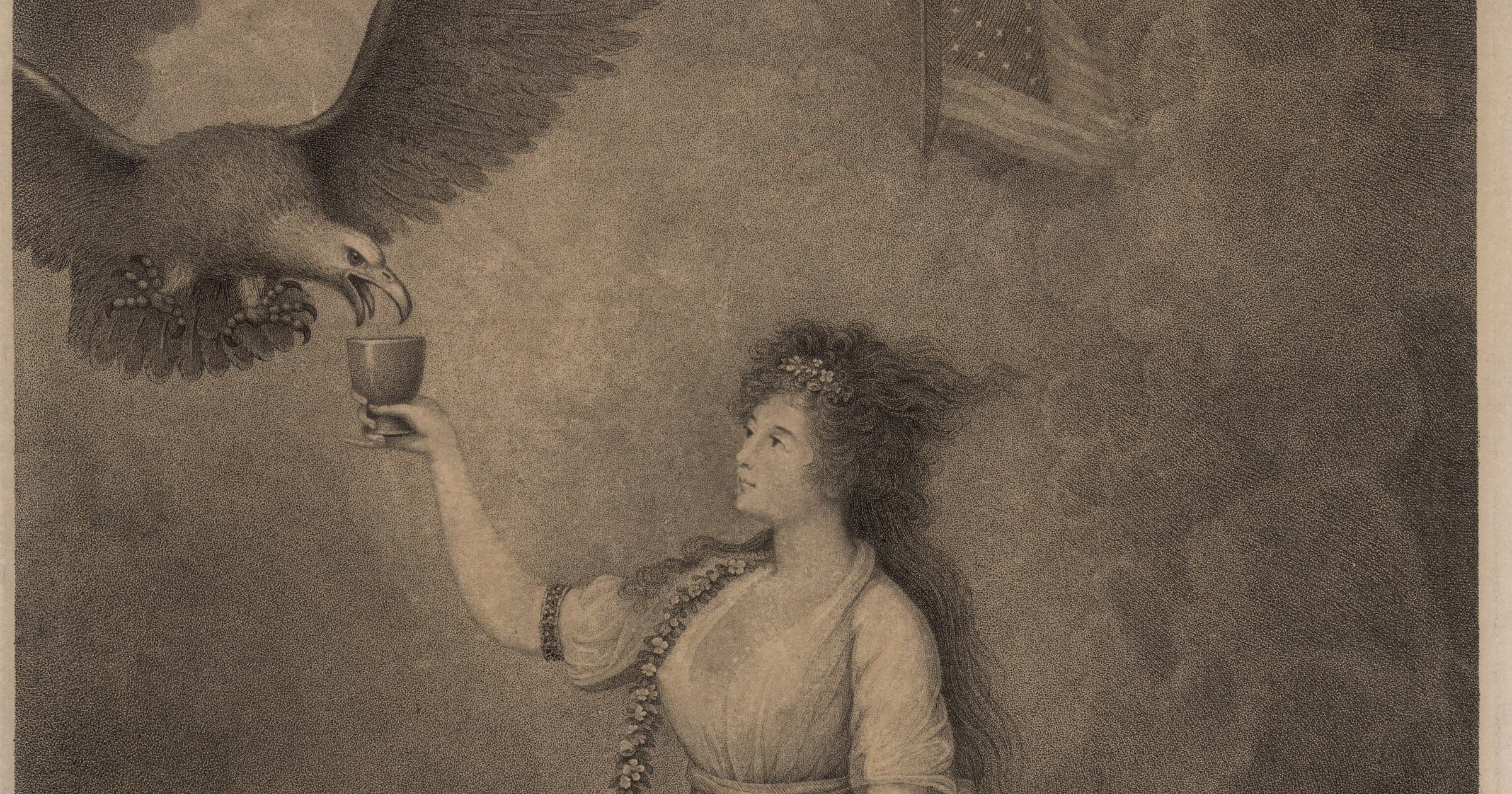





When I attended my godson Dante’s First Communion in Modena years ago, he nearly dodged his inaugural sip of sacramental wine, an unthinkable offence bordering on blasphemy in the ancient Duomo. His mother – a deliciously naughty woman much given to japes – told him she once saw spittle floating on the wine’s surface and had forsworn it ever since. Luckily, Dante caught his father’s stern eye and took the chalice.
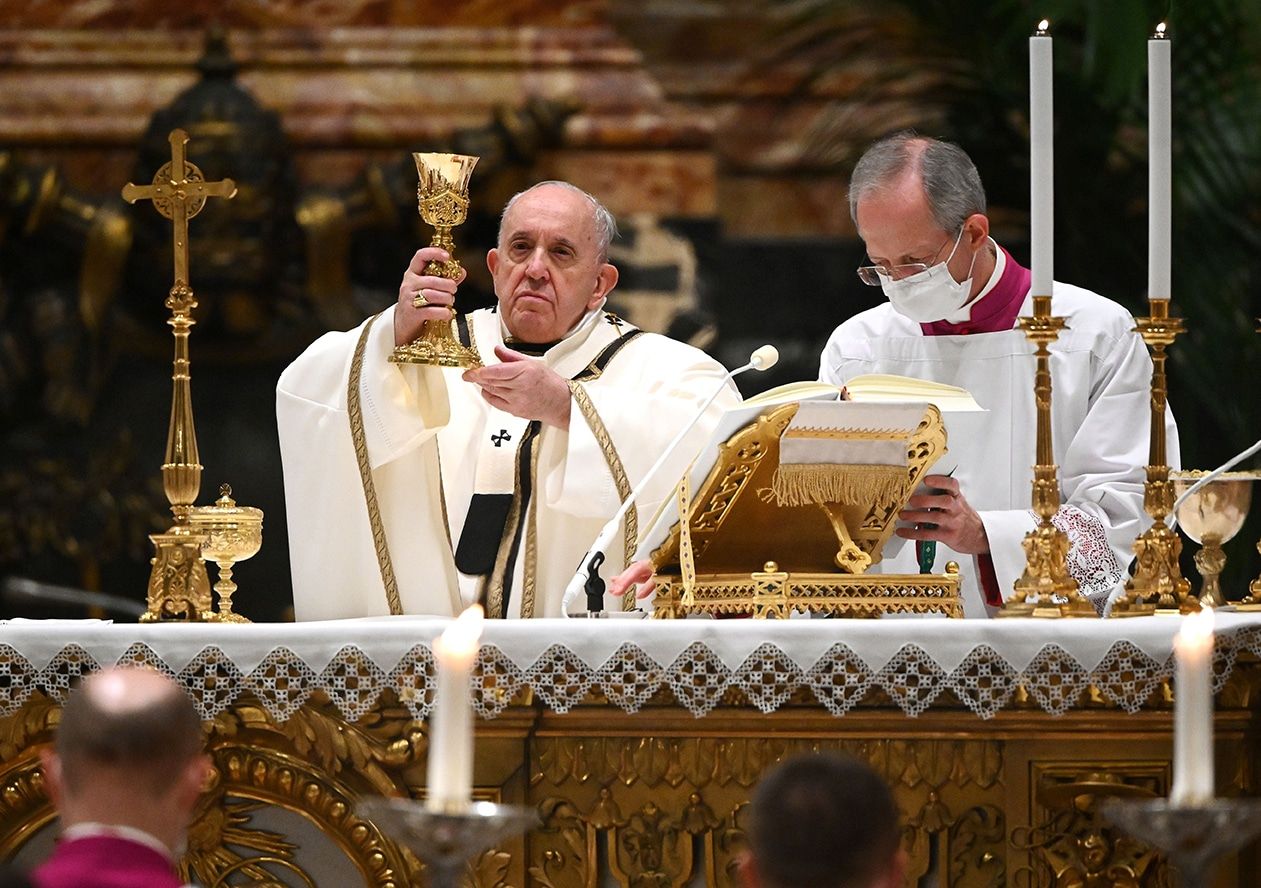
Although both wine and bread have been part of the communion since the Last Supper, the use of the former has been patchy. This is partly because wine is more expensive and less widely available than a lowly loaf; Holland and Ireland are not renowned for their viticulture. As a result, the more northern regions tended to restrict the communion wine to the celebrating priest. Wine has also been subject to liturgical changes. In 1963, Vatican II encouraged the wider adoption of wine: offering the laity the Precious Blood would give them “a more perfect form of participation”. The added bonus not mentioned then by the Papal See is that any lay member – even those who are gluten-free or alcohol-free – could take communion. These days gluten-free wafers and alcohol-free communion wine are regular Sunday fare.