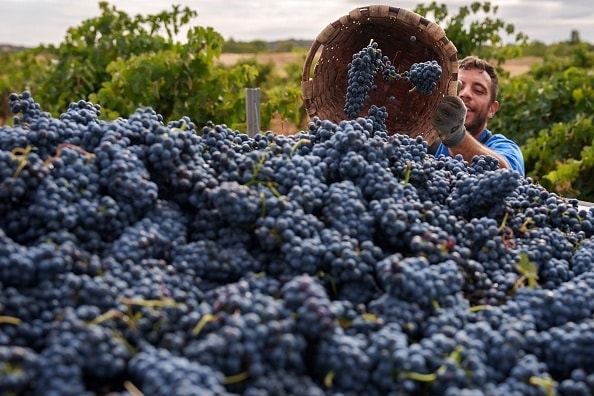





Lent has progressed just long enough for most of us to have broken at least one of our penitential resolutions. Perhaps we have indulged in a formerly renounced glass of wine. Paradoxically, in the very act of breaking such a resolution, we are once again confronted with the deeper meaning of Lent: death leads to rebirth, and the journey into spiritual wilderness is our path to new life. Moreover, for Christians, wine represents much more than a vain and worldly pleasure.
Our ancient, pagan ancestors sought their own means of wrestling with the fundamental questions of life and death, yet despite their great learning they lacked the full self-revelation of God. Instead, they turned to their own contemporary gods for answers. What they found was, amongst other notions, Silenus’s Wisdom, named after the Greek god Silenus, tutor to Dionysius, the god of wine. Silenus’s great insight was that the best thing is never to have been born, and the second best is to die young. The answer of the ancients, therefore, was to enjoy life to its fullest while one could. Hence, Silenus would shift between states of drunkenness and sleep. This is a rather bleak view of life. Thankfully, the blessing of revelation has given Christians an entirely different outlook on earthly existence, and on wine.