

February 12, 2026

Word this week

Bishop David McGough
More
Related
Min read
share

The Third Sunday of Easter
Acts 2: 14, 22-3; 1 Pet 1:17-21; Lk 24:13-35 (Year A)

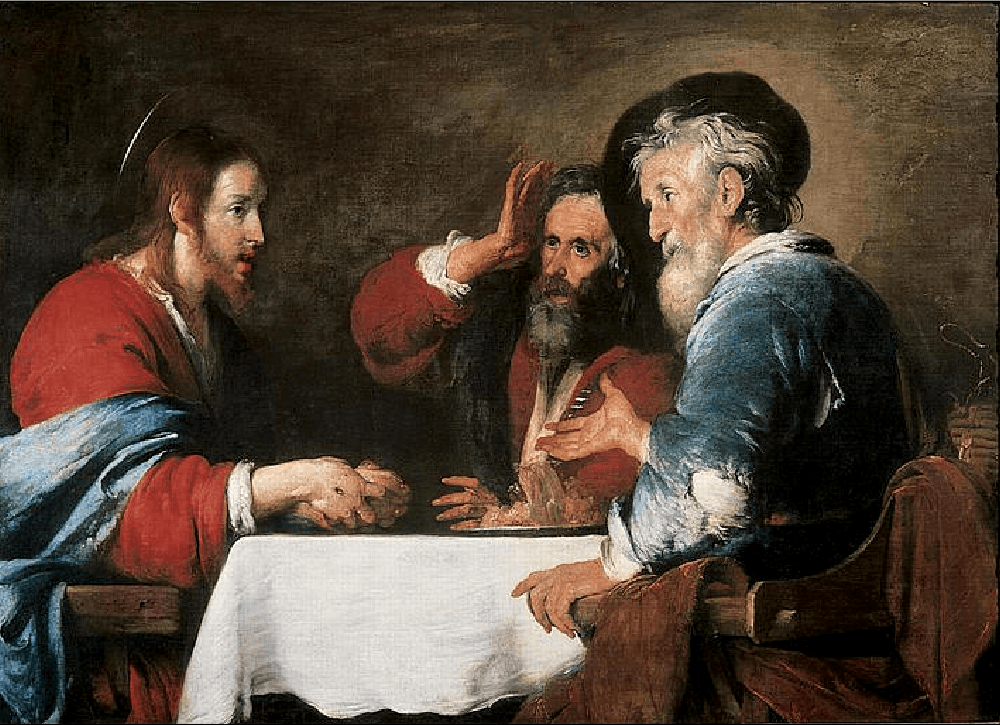
Luke’s account of the appearance of the Risen Lord to his disciples on the road to Emmaus is both intriguing and challenging. Intriguing, because the disciples failed to recognise him. Challenging, because it questions our own perception of the same Risen Lord.

Prior to their meeting with the Lord, the disciples had been discussing their own perception of the events that had unfolded. Questioned by the unrecognised Jesus, their response could not conceal their disappointment.

“They stopped short, their faces downcast. Cleopas answered: ‘You must be the only person staying in Jerusalem who does not know the things that have been happening there these last few days.’ ”

Further questioning from Jesus pointed to the cause of their blindness. They had been enthusiastic in their welcome of a great prophet authenticated by his words and deeds, but could not come to terms with a crucified Messiah: “Our own hope had been that he would be the one to set Israel free.”

As they could not embrace the Cross, their eyes had been closed to everything that followed. They were locked in disappointment, dismissive of a reported resurrection. “Some of our friends went to the tomb and found everything exactly as the women had reported, but of him they saw nothing.”

The reaction of the disciples challenges our own perception of the Risen Lord. We, like them, live in hope. They had hoped for a Messiah who would bring political freedom. What is the freedom for which we long, the hope that is in our hearts?

Like those early disciples, we will face disappointment, both with ourselves and in others. It is when we allow ourselves to become locked into our disappointment that we begin to share the blindness of those first disciples. Then the Resurrection becomes a distant report, lacking the power to touch our lives.

Jesus had embraced death, making it the pathway to glory. The disciples had begun their journey without hope. Jesus had shared their journey, inviting them to reach beyond the disappointment of selfish hope to true freedom. They did more than listen to words of explanation: they surrendered themselves to Christ’s presence, and in so doing, their eyes were opened.

Christ the Risen Lord is with us always. Faith is our surrender to his presence, opening our eyes, raising us to his new life at the breaking of bread.

The Third Sunday of Easter
Acts 2: 14, 22-3; 1 Pet 1:17-21; Lk 24:13-35 (Year A)

Luke’s account of the appearance of the Risen Lord to his disciples on the road to Emmaus is both intriguing and challenging. Intriguing, because the disciples failed to recognise him. Challenging, because it questions our own perception of the same Risen Lord.

Prior to their meeting with the Lord, the disciples had been discussing their own perception of the events that had unfolded. Questioned by the unrecognised Jesus, their response could not conceal their disappointment.

“They stopped short, their faces downcast. Cleopas answered: ‘You must be the only person staying in Jerusalem who does not know the things that have been happening there these last few days.’ ”

Further questioning from Jesus pointed to the cause of their blindness. They had been enthusiastic in their welcome of a great prophet authenticated by his words and deeds, but could not come to terms with a crucified Messiah: “Our own hope had been that he would be the one to set Israel free.”

As they could not embrace the Cross, their eyes had been closed to everything that followed. They were locked in disappointment, dismissive of a reported resurrection. “Some of our friends went to the tomb and found everything exactly as the women had reported, but of him they saw nothing.”

The reaction of the disciples challenges our own perception of the Risen Lord. We, like them, live in hope. They had hoped for a Messiah who would bring political freedom. What is the freedom for which we long, the hope that is in our hearts?

Like those early disciples, we will face disappointment, both with ourselves and in others. It is when we allow ourselves to become locked into our disappointment that we begin to share the blindness of those first disciples. Then the Resurrection becomes a distant report, lacking the power to touch our lives.

Jesus had embraced death, making it the pathway to glory. The disciples had begun their journey without hope. Jesus had shared their journey, inviting them to reach beyond the disappointment of selfish hope to true freedom. They did more than listen to words of explanation: they surrendered themselves to Christ’s presence, and in so doing, their eyes were opened.

Christ the Risen Lord is with us always. Faith is our surrender to his presence, opening our eyes, raising us to his new life at the breaking of bread.

subscribe to
the catholic herald

Continue reading your article with a subscription.
Read 5 articles with our free plan.
Subscribe

subscribe to the catholic herald today

Our best content is exclusively available to our subscribers. Subscribe today and gain instant access to expert analysis, in-depth articles, and thought-provoking insights—anytime, anywhere. Don’t miss out on the conversations that matter most.
Subscribe