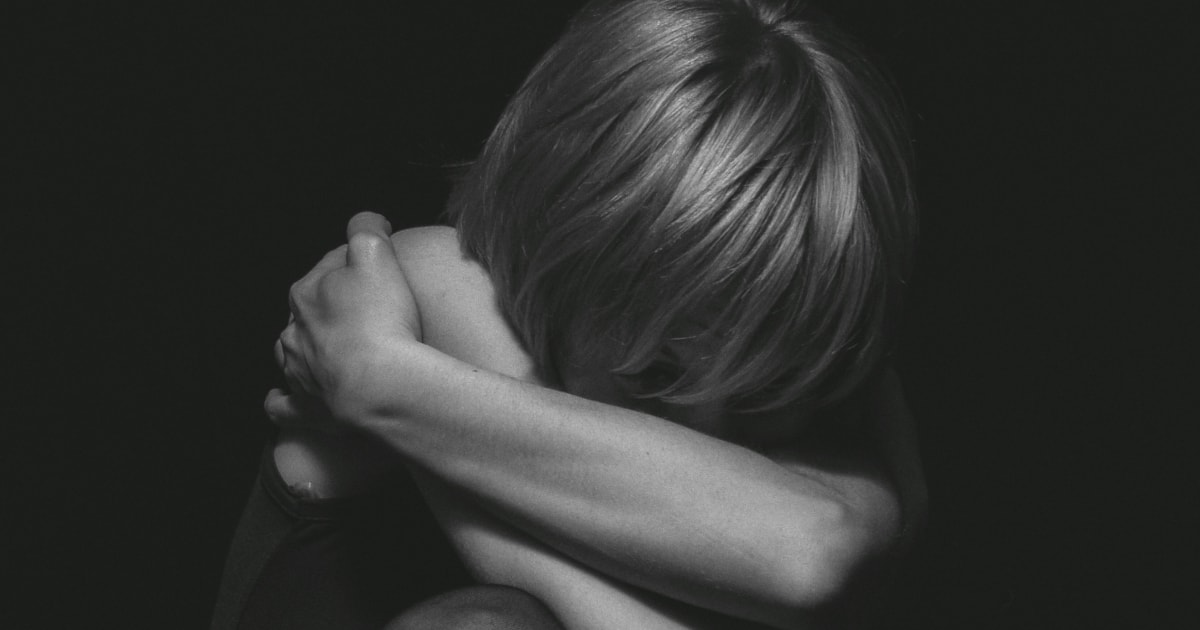

Noelia Castillo Ramos, a 25-year-old paraplegic woman and sexual abuse survivor, has been euthanised by Spanish doctors.
Her death, the result of a series of tragic events and failures, was only possible after a European Court of Human Rights ruling.
Noelia had been undergoing psychiatric treatment since she was 13 and was diagnosed with obsessive-compulsive disorder (OCD) and borderline personality disorder (BPD).
She was raped twice during her short life, once by an ex-boyfriend and the second time by three boys in 2022, describing this as a turning point in her life. That same year she attempted suicide by jumping from the fifth-floor window of an apartment building, leaving her paralysed from the waist down. Severely depressed, Noelia said that she saw her world as “very dark” and that she had always felt alone.
Noelia was initially approved for euthanasia in 2024. However, the approval was challenged by her father, who was supported by a group of pro-life lawyers. Considering Noelia’s fragile mental health, they argued that it was not possible for her to make her own decisions. Despite the clear institutional failings, her euthanasia was approved by the European Court of Human Rights.
Noelia died alone in her care facility on Thursday afternoon. An hour before her death, Carla Rodriguez, who described herself as Noelia’s closest friend, arrived hoping to dissuade her from proceeding. She was denied access to Noelia.
Spain became the fourth European Union country to legalise euthanasia in 2021, despite the country’s Collegiate Medical Organisation stating that the bill “is contrary to our Code of Medical Deontology and contradicts the positions of the World Medical Association”. State-funded and organised, the practice has led to hundreds of deaths across the country.
The UK has been in the midst of its own end-of-life debates in recent years. In 2024, Kim Leadbeater introduced a Private Member’s Bill which attempted to introduce assisted suicide for those with less than six months to live in England and Wales. The legislation faced strong opposition from the beginning, with medical bodies condemning the attempt and three former prime ministers saying it should not become law. Growing concern surrounding the bill has led to what both sides now agree will be its almost certain failure in the House of Lords.
In Scotland, a group of MSPs had also tried to legalise assisted suicide in the devolved nation. However, the bill was firmly rejected at its third stage, with the leader of the SNP, Scottish First Minister John Swinney, Scottish Labour leader Anas Sarwar, and the leader of the Scottish Conservatives, Russell Findlay, all uniting in their opposition to the proposals.