


The Dicastery for Divine Worship and the Discipline of the Sacraments has reportedly corrected and reminded two Argentine bishops that the faithful retain the right to receive Holy Communion kneeling and on the tongue, following local measures widely perceived as discouraging or restricting these longstanding practices.
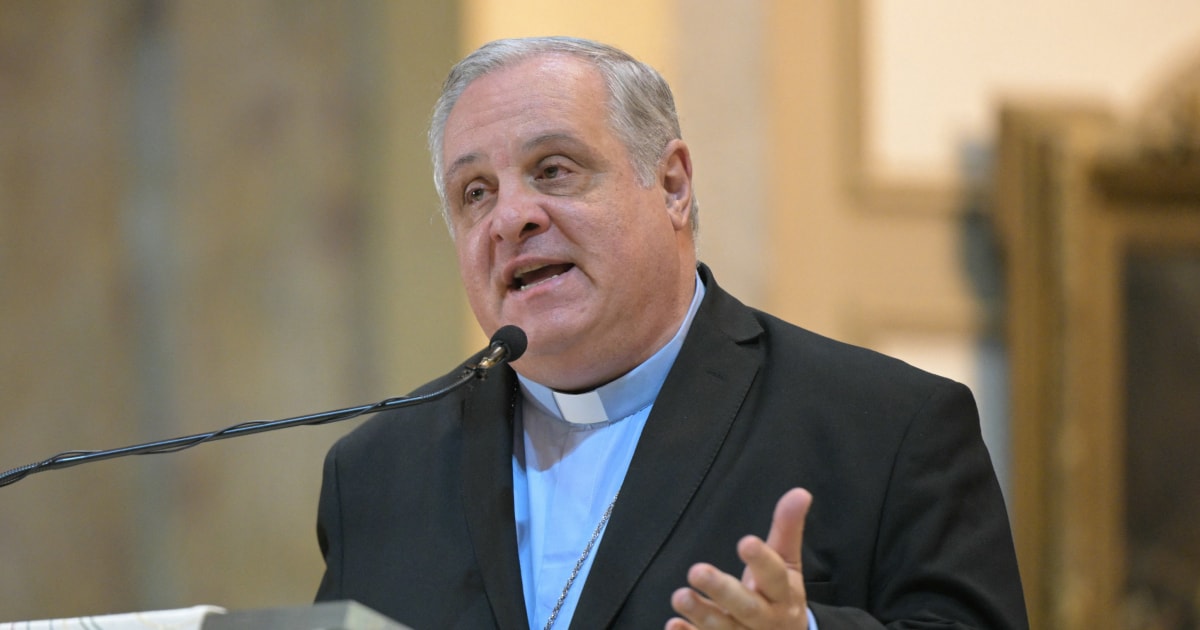
According to reports in Argentine Catholic media, including El Wanderer, Vatican officials held discussions with Archbishop Marcelo Colombo of Mendoza, president of the Argentine Bishops’ Conference, and Bishop Gabriel Barba of San Luis. The dicastery is said to have underlined that “the faithful have the freedom to receive Communion according to the methods established by the Church, and this freedom cannot be restricted”.
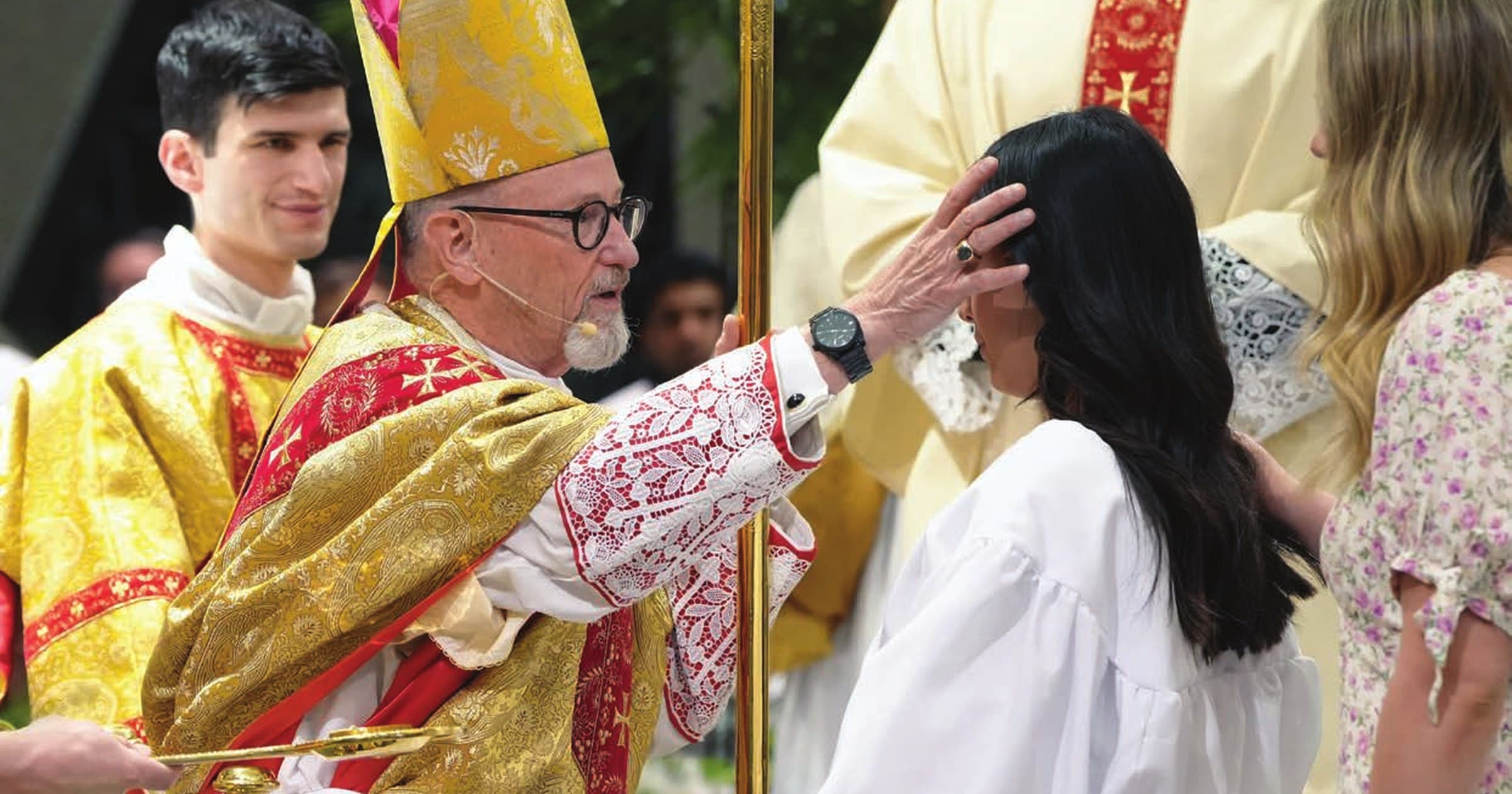
The intervention follows months of controversy in Argentina. In September 2025, Archbishop Colombo publicly stated that “in Argentina, Communion is received standing”, citing norms approved by the bishops’ conference that designate standing as the ordinary posture, accompanied by a bow. In one incident at the Basilica of San Francisco in Mendoza, a Franciscan friar was reported to have shouted “Get up!” at communicants attempting to kneel, with at least one worshipper allegedly being refused Communion while kneeling and told to receive in the hand instead. The move was regarded as scandalous by Catholics attached to traditional devotional practice, some of whom fear that liberal clerics seek to minimise sacramental reverence in a way that weakens supernatural belief.
In the Diocese of San Luis, Bishop Barba issued guidance before Corpus Christi in June 2025 encouraging reception in the hand. He later instructed candidates for extraordinary ministers of Holy Communion to receive only in the hand so as to act as “pedagogues” of the practice. The diocese had previously been noted for its more traditional Eucharistic culture under the late Bishop Juan Rodolfo Laise, a prominent defender of reception on the tongue.
The Holy See has consistently upheld the right of the faithful in this matter. The 2004 instruction Redemptionis Sacramentum of the Congregation for Divine Worship states clearly: “each of the faithful always has the right to receive Holy Communion on the tongue”. It further declares: “It is not licit to deny Holy Communion to any of Christ’s faithful solely on the grounds, for example, that the person wishes to receive the Eucharist kneeling or standing.”
These affirmations build upon earlier norms, including the 1969 Memoriale Domini, which permitted Communion in the hand as an indult while preserving the traditional practice as normative in universal law. Many traditional Catholics view kneeling and reception on the tongue as profound acts of reverence and adoration for the Real Presence of Christ in the Blessed Sacrament, consistent with centuries of Catholic piety and the example of the saints.
The Argentine cases have highlighted broader questions about the authority of bishops’ conferences and individual dioceses to establish local norms that appear to limit rights explicitly protected by the universal law of the Church. Critics argue that such measures reflect a pattern in parts of the Church where preferences for certain post-conciliar practices are effectively elevated to the status of obligation, marginalising the faithful attached to traditional expressions of Eucharistic devotion.
The intervention by the Dicastery for Divine Worship underscores the limits of episcopal conferences. While such bodies may issue guidelines with the recognitio of the Holy See, they cannot abrogate rights guaranteed to the faithful in universal liturgical law nor transform recommended postures into compulsory ones that exclude legitimate options.
The episode comes amid ongoing global debates over liturgical unity, reverence for the Holy Eucharist and the proper balance between local adaptation and the Church’s common patrimony. Many Catholics attached to the Traditional Latin Mass and classical forms of piety have long reported feeling pressured or unwelcome when seeking to receive Communion in the traditional manner.
Archbishop Colombo defended his archdiocese’s norms by reference to the Argentine edition of the Roman Missal and conference decisions. However, the Vatican’s reported response reaffirms that local directives cannot override the fundamental freedom affirmed in Redemptionis Sacramentum.
The developments in Mendoza and San Luis have drawn attention from Catholics worldwide concerned with the preservation of Eucharistic reverence. They illustrate the continuing tension between central authority in Rome and certain local implementations of liturgical reform more than six decades after the Second Vatican Council.