

Bishop Athanasius Schneider delivered a sharp critique of the final report of Study Group No 9 of the Synod on Synodality, describing its approach to homosexuality as promoting an “exegesis of doubt” in divine revelation and constituting a revolt against God’s created order.
In an extensive May 12 interview with Diane Montagna, the auxiliary bishop of Astana, Kazakhstan, warned that the Vatican-published document risks normalising homosexual acts and lifestyles, opening the door to “total moral relativism”.
The 30-page report, released on May 5 by the General Secretariat of the Synod, forms part of the implementation phase of the Synod on Synodality and examines emerging doctrinal, pastoral and ethical issues.
Bishop Schneider stated: “In issuing the Final Report of Study Group No 9, the Secretariat of the Synod of Bishops has stooped to promoting the propaganda of a global sexual ideology that is being aggressively pushed in politics and the media worldwide.”
He described Fr James Martin SJ, an LGBT outreach advocate and media personality, as “merely a clerical henchman of this anti-Christian and blasphemous ideology”. The bishop argued that the proponents of this ideology “are seeking the Church’s moral and doctrinal approval of homosexual acts and lifestyles – that is, of conduct that is contrary to God’s creation and the natural order”. He accused the Synod Secretariat of “collaborating with its lobbyists in a true revolt against God’s work of creation, against the beautiful and wise order of the two sexes, male and female”.
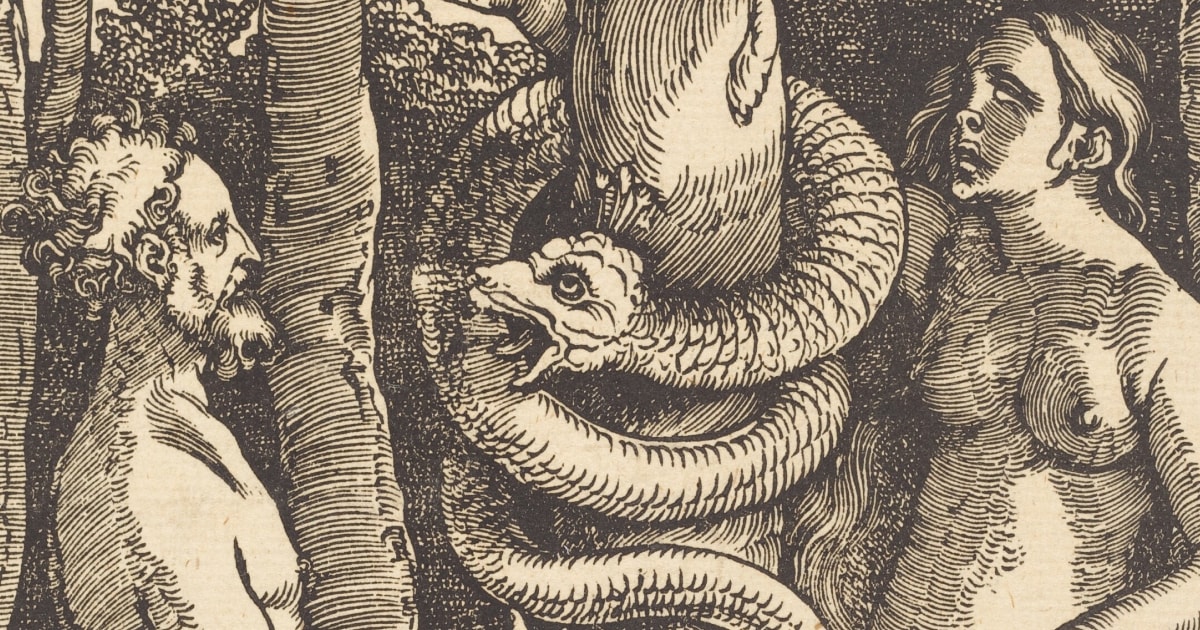
Referring to the report’s treatment of Scripture, Bishop Schneider said it advances “a kind of ‘exegesis of doubt’ regarding the relevant biblical passages... Such an exegesis effectively usurps the place of God and presumes to proclaim what is good and what is evil. This is precisely what the serpent did in the Garden of Eden.”
He criticised the selective nature of the two personal testimonies included in the appendices, both from men in same-sex civil marriages. “This fact speaks for itself,” he said. “It clearly demonstrates that an organ of the Holy See – the Secretariat of the Synod of Bishops – is taking sides with an ideological, neo-Gnostic group within the Church, a minority that explicitly contradicts the Church’s constant teaching and the sensus fidelium.”
Bishop Schneider noted the absence of testimonies from those with same-sex attraction who seek to live chastely in accordance with Church teaching. He described Fiducia Supplicans as “a mockery of common sense” and said the new report “goes even further by proposing a possible doctrinal justification for homosexual acts and homoerotic relationships”.
Despite the report’s lack of formal magisterial authority, the bishop warned of its practical impact. “Even though it is formally only a document from a study group and lacks magisterial authority, it is nevertheless published by the Vatican, through an organ of the Holy See,” he explained. “As a result, such a document conveys to the entire world… that the Catholic Church, and even the Vatican, is now opening itself up to the possibility of legitimising and normalising homosexual acts and lifestyles… In this way, the door is opened to total moral relativism.”
Bishop Schneider declared the report a decisive boundary: “This final report has unequivocally crossed the line from orthodoxy into heresy.” He urged Pope Leo XIV to fulfil his duty “to protect the Church and the souls of the faithful from this brazen Gnostic doctrine”. Invoking Scripture, he recalled Christ’s rebukes to the churches of Pergamum and Thyatira for tolerating sexual immorality.
The bishop made a direct appeal to the Holy Father: “Strengthen your brothers in the faith!” (Luke 22:32). He warned that if the Pope, cardinals and bishops “do not wake up and… clearly and courageously warn and protect people from such spiritual contagion, they will be guilty through their inaction and silence”. He added that future generations may say of this era: “The whole world sighed and wondered how it had abolished the Sixth Commandment.”
Bishop Schneider described the broader situation in the Church as “a true state of emergency”, linking it to difficulties in reconciling groups such as the Society of St Pius X. He urged the Holy Father to listen to “the little ones in the Church: the traditional faithful and clergy who cling steadfastly to the faith once for all handed down to the saints” (Jude 3), and to make “a crystal-clear profession of faith” like St Leo the Great, so that the faithful may say: “Through the mouth of Pope Leo XIV, Peter has spoken!”
Bishop Schneider, who has served as auxiliary bishop of Astana since 2006, is a noted theologian and liturgist known for his writings on the Real Presence, the Traditional Latin Mass and the defence of perennial Church teaching. His latest intervention adds to the growing chorus of concern over the Synod report, which has also been criticised by Cardinal Gerhard Ludwig Müller and Fr Gerald E Murray.
The study group included several prominent figures, among them moral theologian Fr Maurizio Chiodi.

.jpg)