March 30, 2026

Assisted suicide bill will not become law, both sides now concede

The Catholic Herald
More
Related
Min read
share

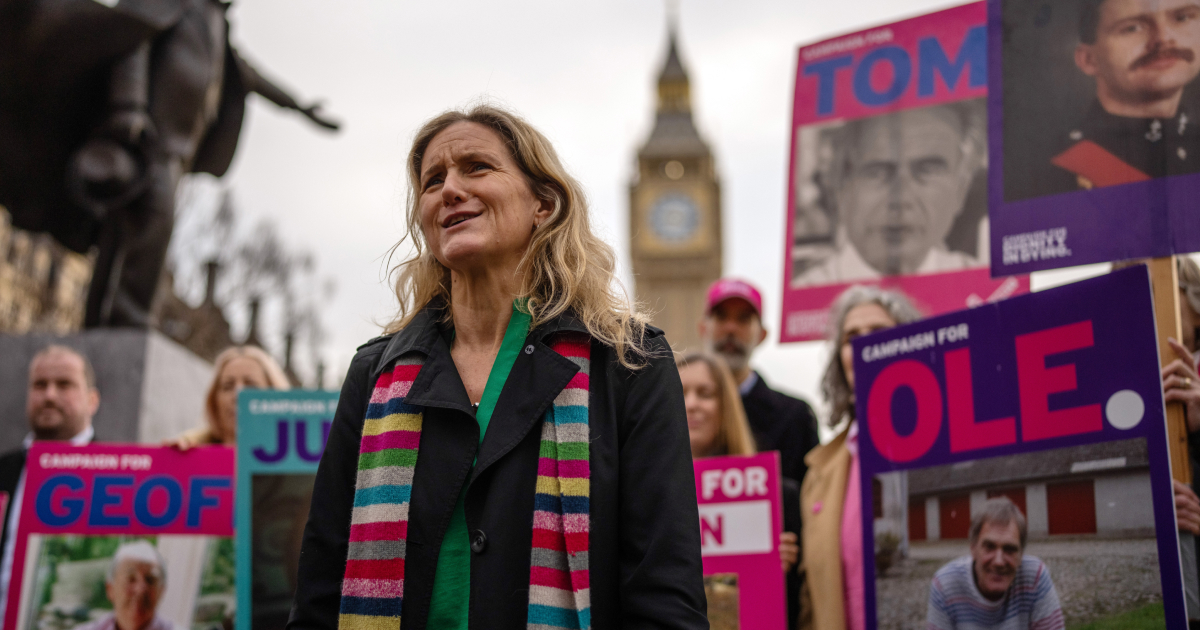
The assisted suicide bill introduced by Labour MP Kim Leadbeater in 2024 will not become law, both sides have now conceded.

The legislation, which aimed to introduce state-sponsored assisted suicide for those in the last six months of their lives, had become increasingly controversial, facing mounting concern from medical bodies and disability rights activists.

It passed the House of Commons’s Third Reading in June with a diminished majority and was therefore sent to the House of Lords.

However, when the bill arrived in the House of Lords, whose role is to examine and scrutinise proposed laws, it was found to be lacking and to pose a threat to the most vulnerable in society. Some 1,200 amendments, believed to be a record high for a backbencher’s bill, were tabled.

In a joint letter to Members of Parliament, opponents wrote: “It is now clear that the Terminally ill (End of Life) Bill will fall,” further pointing out that it “does not sufficiently guard against coercion or protect the most vulnerable people in our society”.

Despite the concerns raised in the House of Lords, alongside those of medical bodies, proponents of the bill struggled to acknowledge its failures to safeguard the vulnerable and refused to engage with the criticisms. Dignity in Dying, a well-funded pro-assisted suicide group which, alongside its partner group Choice in Dying, received £2,699,475 in 2023, stated: “The real issue is not unanswered concerns, but a small, unelected group attempting to obstruct Parliament from reaching a decision, and that is fundamentally undemocratic.”

Countries that have introduced assisted suicide have shown that initial and tentative laws are often loosened, resulting in widespread and cultural adoption of a practice that was initially intended to be rare, in what is often referred to as the “slippery slope”.

One of the starkest examples is offered by the Netherlands. In 2002, the country legalised euthanasia for adults with a terminal illness or those suffering in a way that was unbearable and could not be alleviated, including mental illness. In 2004, the Groningen Protocol was introduced to allow euthanasia for infants up to the age of one with severe disabilities, marking one of the few laws worldwide permitting euthanasia for infants. Euthanasia has long been available for children aged between 12 and 16 with parental consent, and between 16 and 18 parental consent is not required; parents are simply informed. In 2023, Dutch law was expanded to allow euthanasia for children between one and 12 years. In 2020, the Supreme Court of the Netherlands ruled that physicians could euthanise patients with dementia if they had expressed a wish to die before the onset of their condition.

In Belgium, a similarly tragic set of developments has taken place. First legalised in 2002, the law initially allowed euthanasia for any adult with “constant and unbearable physical or mental suffering”. In 2014, the law was extended to include children of any age. The law makes provision for those suffering from mental illness to receive euthanasia, with autism accounting for five per cent of deaths in this category. The most recent data shows that assisted suicide now accounts for 4 per cent of all deaths in the country.

The outcome in England and Wales has been mirrored north of the border. In Scotland, a group of MSPs also sought to legalise assisted suicide in the devolved nation. However, the bill was firmly rejected at its third stage, with the leader of the SNP, Scottish First Minister John Swinney, Scottish Labour leader Anas Sarwar, and the leader of the Scottish Conservatives, Russell Findlay, all uniting in their opposition to the proposals.

The assisted suicide bill introduced by Labour MP Kim Leadbeater in 2024 will not become law, both sides have now conceded.

The legislation, which aimed to introduce state-sponsored assisted suicide for those in the last six months of their lives, had become increasingly controversial, facing mounting concern from medical bodies and disability rights activists.

It passed the House of Commons’s Third Reading in June with a diminished majority and was therefore sent to the House of Lords.

However, when the bill arrived in the House of Lords, whose role is to examine and scrutinise proposed laws, it was found to be lacking and to pose a threat to the most vulnerable in society. Some 1,200 amendments, believed to be a record high for a backbencher’s bill, were tabled.

In a joint letter to Members of Parliament, opponents wrote: “It is now clear that the Terminally ill (End of Life) Bill will fall,” further pointing out that it “does not sufficiently guard against coercion or protect the most vulnerable people in our society”.

Despite the concerns raised in the House of Lords, alongside those of medical bodies, proponents of the bill struggled to acknowledge its failures to safeguard the vulnerable and refused to engage with the criticisms. Dignity in Dying, a well-funded pro-assisted suicide group which, alongside its partner group Choice in Dying, received £2,699,475 in 2023, stated: “The real issue is not unanswered concerns, but a small, unelected group attempting to obstruct Parliament from reaching a decision, and that is fundamentally undemocratic.”

Countries that have introduced assisted suicide have shown that initial and tentative laws are often loosened, resulting in widespread and cultural adoption of a practice that was initially intended to be rare, in what is often referred to as the “slippery slope”.

One of the starkest examples is offered by the Netherlands. In 2002, the country legalised euthanasia for adults with a terminal illness or those suffering in a way that was unbearable and could not be alleviated, including mental illness. In 2004, the Groningen Protocol was introduced to allow euthanasia for infants up to the age of one with severe disabilities, marking one of the few laws worldwide permitting euthanasia for infants. Euthanasia has long been available for children aged between 12 and 16 with parental consent, and between 16 and 18 parental consent is not required; parents are simply informed. In 2023, Dutch law was expanded to allow euthanasia for children between one and 12 years. In 2020, the Supreme Court of the Netherlands ruled that physicians could euthanise patients with dementia if they had expressed a wish to die before the onset of their condition.

In Belgium, a similarly tragic set of developments has taken place. First legalised in 2002, the law initially allowed euthanasia for any adult with “constant and unbearable physical or mental suffering”. In 2014, the law was extended to include children of any age. The law makes provision for those suffering from mental illness to receive euthanasia, with autism accounting for five per cent of deaths in this category. The most recent data shows that assisted suicide now accounts for 4 per cent of all deaths in the country.

The outcome in England and Wales has been mirrored north of the border. In Scotland, a group of MSPs also sought to legalise assisted suicide in the devolved nation. However, the bill was firmly rejected at its third stage, with the leader of the SNP, Scottish First Minister John Swinney, Scottish Labour leader Anas Sarwar, and the leader of the Scottish Conservatives, Russell Findlay, all uniting in their opposition to the proposals.

subscribe to
the catholic herald

Continue reading your article with a subscription.
Read 5 articles with our free plan.
Subscribe

subscribe to the catholic herald today

Our best content is exclusively available to our subscribers. Subscribe today and gain instant access to expert analysis, in-depth articles, and thought-provoking insights—anytime, anywhere. Don’t miss out on the conversations that matter most.
Subscribe