December 1, 2025
December 1, 2025

At Nicaea again: Pope Leo XIV and the long path to unity

Min read
share

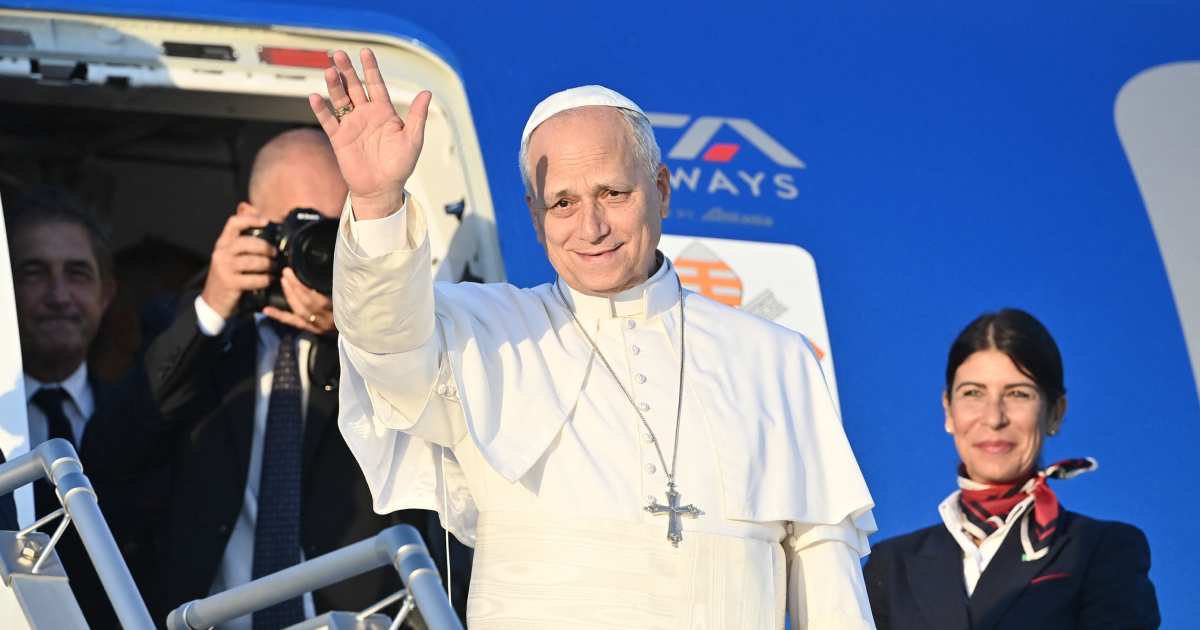
Pope Leo XIV’s four-day Apostolic Journey through Turkey came to a solemn conclusion as he departed Istanbul for Beirut. His Holiness used his time in the country to send powerful messages of fraternity, Christian unity and inter-religious dialogue without giving way to ambiguity.

On his first full day in Ankara, the Holy Father was officially welcomed by Turkey’s Minister of Culture and Tourism, Mehmet Nuri Ersoy, before he laid a wreath at the tomb of Mustafa Kemal Atatürk, the nation's founding father, at the Atatürk Mausoleum.

Upon signing the Golden Book, he wrote in English, “I give thanks to God for being able to visit Türkiye, and I invoke upon this country and its people an abundance of peace and prosperity.”

The formal welcome was followed by private discussions at the Presidential Palace and a larger gathering at the National Library, where the Holy Father urged citizens and the Catholic Church to adopt a culture of encounter, rather than succumb to a globalisation of indifference. His final meeting of the day was with the head of Turkey’s religious authority, the Diyanet, a gesture understood as one of mutual respect between Christian and Muslim communities.

On day two in Istanbul, the Pope gathered bishops, priests, religious sisters and pastoral workers at the Cathedral of the Holy Spirit. He pointed to the region’s ancient Christian history, noting that this land witnessed the patriarch Abraham, the first disciples being called Christians, and the formation of the early Church. Later, he visited a home for the elderly run by the Little Sisters of the Poor, showing a theme consistent with his predecessor who was known for his characteristic concern for those on the outskirts of society.

In the afternoon, His Holiness flew by helicopter to the historic city of İznik, first-century Nicaea, to mark the 1,700th anniversary of the First Council of Nicaea. There, in a gathering of Christian leaders from different traditions, he led prayers echoing the original council’s call for unity.

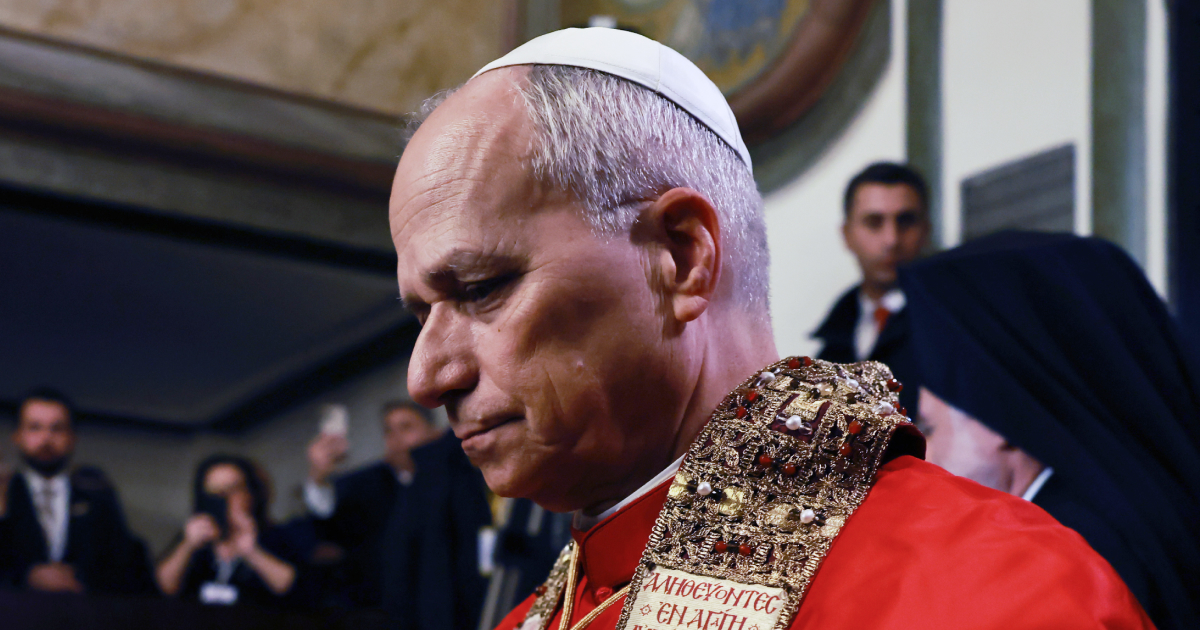
On day three, the Pope visited the Blue Mosque before attending an ecumenical meeting at the Syriac Orthodox Church of Mor Ephrem. Later, he met with Bartholomew I, Ecumenical Patriarch of Constantinople, at the Patriarchal Church of St George. The two leaders prayed the Doxology together and signed a joint declaration condemning the misuse of religion to justify violence. The day concluded as the Pope celebrated Mass at the Volkswagen Arena before approximately 4,000 Catholic faithful from across Turkey.

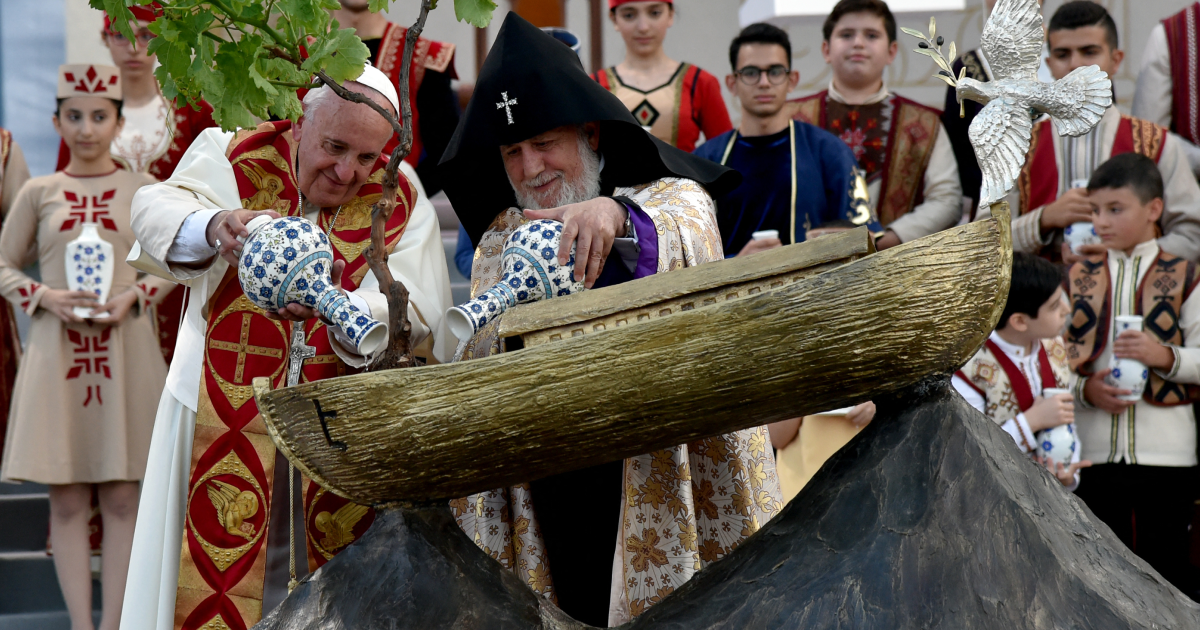
On the fourth and final day of the journey, Pope Leo XIV visited the Armenian Apostolic Cathedral in Istanbul where he joined Bartholomew I and over 400 members of the Holy Synod of the Ecumenical Patriarchate for the Divine Liturgy on the feast of Saint Andrew. 

Mentioned previously in Catholic Herald commentary, it became clear that Pope Leo XIV’s visit to Turkey was more than a diplomatic courtesy. The Church cannot speak credibly about peace in a fractured world while appearing divided herself. Pope Leo’s decision not to include discussion of the Filioque clause in his Apostolic Letter ahead of the anniversary prompted initial concern that the event could become a stage for theological ambiguity or political display. Instead, the Pope delivered something quieter, more deliberate, neither minimising the council’s doctrinal importance nor indulging in superficial rhetoric.

His Holiness’ choice not to pray in the Blue Mosque, marking a departure from similar visits by both Pope Benedict XVI and Pope Francis, was interpreted not as a rebuke to Islam, but as a signal that unity cannot depend on the repetition of expected gestures. Rather, unity must be rooted in what is authentically shared.

This was made all the more resonant as he departed for Lebanon, a nation painfully close to the Israel‑Palestine conflict. No pope can conjure peace through presence alone, yet the papacy carries moral weight at such a boundary. Pope Leo XIV demonstrated that genuine unity cannot be achieved through spectacle or sentiment, but through memory, doctrine, warmth and restraint.
Pope Leo XIV’s four-day Apostolic Journey through Turkey came to a solemn conclusion as he departed Istanbul for Beirut. His Holiness used his time in the country to send powerful messages of fraternity, Christian unity and inter-religious dialogue without giving way to ambiguity.

On his first full day in Ankara, the Holy Father was officially welcomed by Turkey’s Minister of Culture and Tourism, Mehmet Nuri Ersoy, before he laid a wreath at the tomb of Mustafa Kemal Atatürk, the nation's founding father, at the Atatürk Mausoleum.

Upon signing the Golden Book, he wrote in English, “I give thanks to God for being able to visit Türkiye, and I invoke upon this country and its people an abundance of peace and prosperity.”

The formal welcome was followed by private discussions at the Presidential Palace and a larger gathering at the National Library, where the Holy Father urged citizens and the Catholic Church to adopt a culture of encounter, rather than succumb to a globalisation of indifference. His final meeting of the day was with the head of Turkey’s religious authority, the Diyanet, a gesture understood as one of mutual respect between Christian and Muslim communities.

On day two in Istanbul, the Pope gathered bishops, priests, religious sisters and pastoral workers at the Cathedral of the Holy Spirit. He pointed to the region’s ancient Christian history, noting that this land witnessed the patriarch Abraham, the first disciples being called Christians, and the formation of the early Church. Later, he visited a home for the elderly run by the Little Sisters of the Poor, showing a theme consistent with his predecessor who was known for his characteristic concern for those on the outskirts of society.

In the afternoon, His Holiness flew by helicopter to the historic city of İznik, first-century Nicaea, to mark the 1,700th anniversary of the First Council of Nicaea. There, in a gathering of Christian leaders from different traditions, he led prayers echoing the original council’s call for unity.

On day three, the Pope visited the Blue Mosque before attending an ecumenical meeting at the Syriac Orthodox Church of Mor Ephrem. Later, he met with Bartholomew I, Ecumenical Patriarch of Constantinople, at the Patriarchal Church of St George. The two leaders prayed the Doxology together and signed a joint declaration condemning the misuse of religion to justify violence. The day concluded as the Pope celebrated Mass at the Volkswagen Arena before approximately 4,000 Catholic faithful from across Turkey.

On the fourth and final day of the journey, Pope Leo XIV visited the Armenian Apostolic Cathedral in Istanbul where he joined Bartholomew I and over 400 members of the Holy Synod of the Ecumenical Patriarchate for the Divine Liturgy on the feast of Saint Andrew. 

Mentioned previously in Catholic Herald commentary, it became clear that Pope Leo XIV’s visit to Turkey was more than a diplomatic courtesy. The Church cannot speak credibly about peace in a fractured world while appearing divided herself. Pope Leo’s decision not to include discussion of the Filioque clause in his Apostolic Letter ahead of the anniversary prompted initial concern that the event could become a stage for theological ambiguity or political display. Instead, the Pope delivered something quieter, more deliberate, neither minimising the council’s doctrinal importance nor indulging in superficial rhetoric.

His Holiness’ choice not to pray in the Blue Mosque, marking a departure from similar visits by both Pope Benedict XVI and Pope Francis, was interpreted not as a rebuke to Islam, but as a signal that unity cannot depend on the repetition of expected gestures. Rather, unity must be rooted in what is authentically shared.

This was made all the more resonant as he departed for Lebanon, a nation painfully close to the Israel‑Palestine conflict. No pope can conjure peace through presence alone, yet the papacy carries moral weight at such a boundary. Pope Leo XIV demonstrated that genuine unity cannot be achieved through spectacle or sentiment, but through memory, doctrine, warmth and restraint.
share

subscribe to the catholic herald today

Our best content is exclusively available to our subscribers. Subscribe today and gain instant access to expert analysis, in-depth articles, and thought-provoking insights—anytime, anywhere. Don’t miss out on the conversations that matter most.
Subscribe