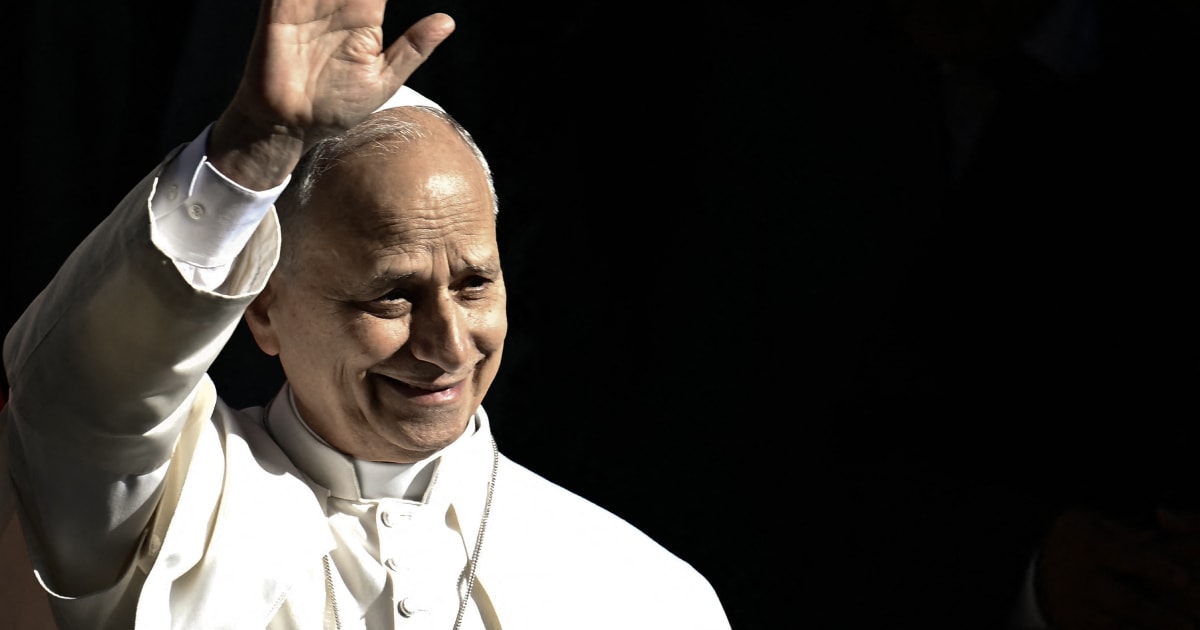


A leading Anglo-American publishing house has released a new volume of writings by Pope Leo XIV.
HarperCollins Publishers has published Peace Be with You: My Words to the Church and the World through its HarperOne imprint. The 256-page book, released on February 24, brings together a collection of texts by the Holy Father and includes a newly written introduction. It is the English-language edition of E pace sia!, originally issued in August 2025 by Libreria Editrice Vaticana.
The volume is now available across the United States and in English-speaking territories, including the United Kingdom, where it is stocked by major retailers such as Amazon UK and Waterstones. A Spanish-language edition is expected to follow.

In his new introduction, Pope Leo XIV reflects on what he describes as the dual dimension of peace: a gift from God and a responsibility entrusted to humanity. He writes that peace remains one of the defining issues of the present age, characterising it as both divine grace and human commitment.
The Pope observes that the modern world is “wounded by too many conflicts” and “struck by bloody hostilities”, warning that nationalism and partisan interests can erode the dignity of the weakest long before violence erupts on the battlefield. He suggests that peace is first defeated within the human heart when selfishness and greed are allowed to prevail over the common good.
Drawing on the thought of St Augustine, Pope Leo argues that genuine knowledge of others requires love and friendship. He cites the Bishop of Hippo’s assertion that “no one can be known except through friendship”, presenting this insight as a foundation for reconciliation in divided societies. According to the Pope, to depersonalise others is to begin the descent into conflict, whereas learning to encounter and understand them offers a foretaste of peace.
The introduction explores what the Holy Father calls the “vertical” and “horizontal” dimensions of peace. The vertical dimension refers to peace as a gift from above, rooted in the Incarnation. He recalls the angels’ proclamation of peace at the birth of Christ in Bethlehem, describing it as the moment when God embraced humanity and destroyed the enmity of sin through the Cross.
Quoting further from St Augustine’s sermons, the Pope links divine glory with the human task of working for peace on earth with good will. He presents the Resurrection as the source of a peace marked by Christ’s wounds, noting that the Risen Lord greeted his disciples with the words “Peace be unto you”.
Alongside its theological reflections, the introduction turns to practical expressions of peace in daily life. Pope Leo writes that peace is fostered when children are taught respect and restraint, when personal pride gives way to consideration for others in family and professional life, and when individuals cultivate silence, meditation and attentiveness to God.
He states that God does not bless violence or exploitation, nor the abuse of the Earth, which he describes as a creation entrusted to human care. The Pope links inner conversion with ecological responsibility, suggesting that peace with God, neighbour and creation is inseparable.
Acknowledging what he has previously termed the “globalisation of powerlessness”, the Pope recognises that many people feel helpless in the face of wars and geopolitical crises. In response, he proposes prayer as what he calls an “unarmed force” directed towards the common good. Through prayer, he writes, believers disarm their egos and become capable of sincerity and generosity.
Central to the introduction is the assertion that the human heart is the principal battlefield. It is there, the Pope maintains, that individuals must achieve what he calls a “bloodless but necessary victory” over impulses towards domination and destruction. Only hearts shaped by peace, he writes, can build a peaceful world.
He calls for the cultivation of a “culture of reconciliation”, encouraging the creation of spaces where suspicion can give way to encounter and where dialogue replaces mistrust. Trust, listening and understanding are presented as essential disciplines in overcoming division.
The introduction concludes by turning to the responsibility of political leaders and the international community. Pope Leo states that they “are responsible for facilitating the mediation of conflicts, utilising the arts of dialogue and diplomacy”. He ends with a prayer drawn from St Augustine, asking God to grant the world a just and lasting peace, particularly for those who are most forgotten and who suffer most acutely.