

Two excommunicated nuns in northern Spain have been reconciled with the Church. The religious were excommunicated after their community, the Poor Clare Sisters of Belorado, declared their separation from the post-Vatican II Catholic Church and their allegiance to sedevacantist Bishop Pablo de Rojas Sánchez-Franco in mid-May 2024.
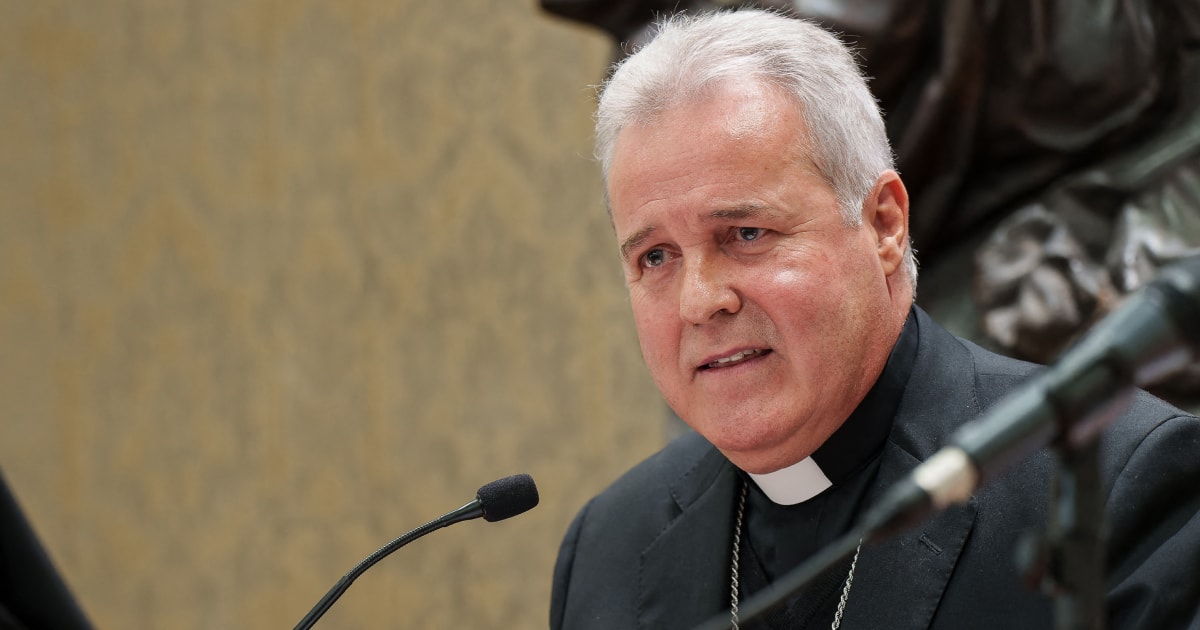
The news of their return was announced by Archbishop Mario Iceta, Archbishop of Burgos, in a letter to the Federation of Poor Clares of Our Lady of Aránzazu, to which the monastery belongs, according to the Spanish news outlet COPE.

The nuns have officially retracted their support for the so-called “Catholic manifesto”, which the community released to explain its decision to break with Rome. They have been accompanied in a period of conversion “with humility and gratitude, following the guidelines that had been indicated to them and to their spiritual companions”, according to a statement from the Pontifical Commissioner of the monasteries of Santa Clara de Belorado and Derio and of its daughter house in Orduña.
Following this, the archbishop announced on Ash Wednesday that he was lifting the excommunications and encouraged other Poor Clare Sisters to “welcome them with fraternal affection and rejoice for these sisters who are returning home”.
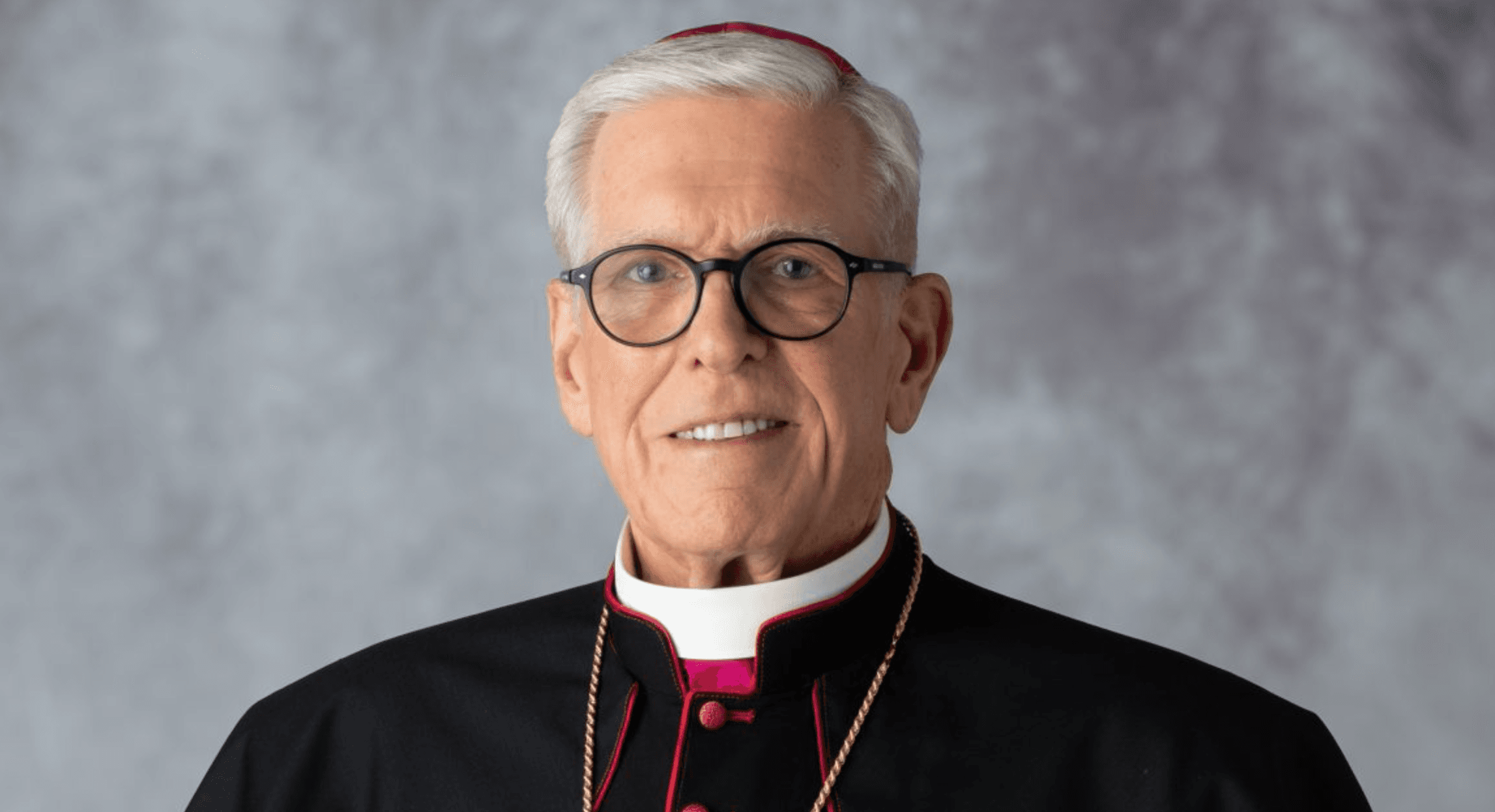
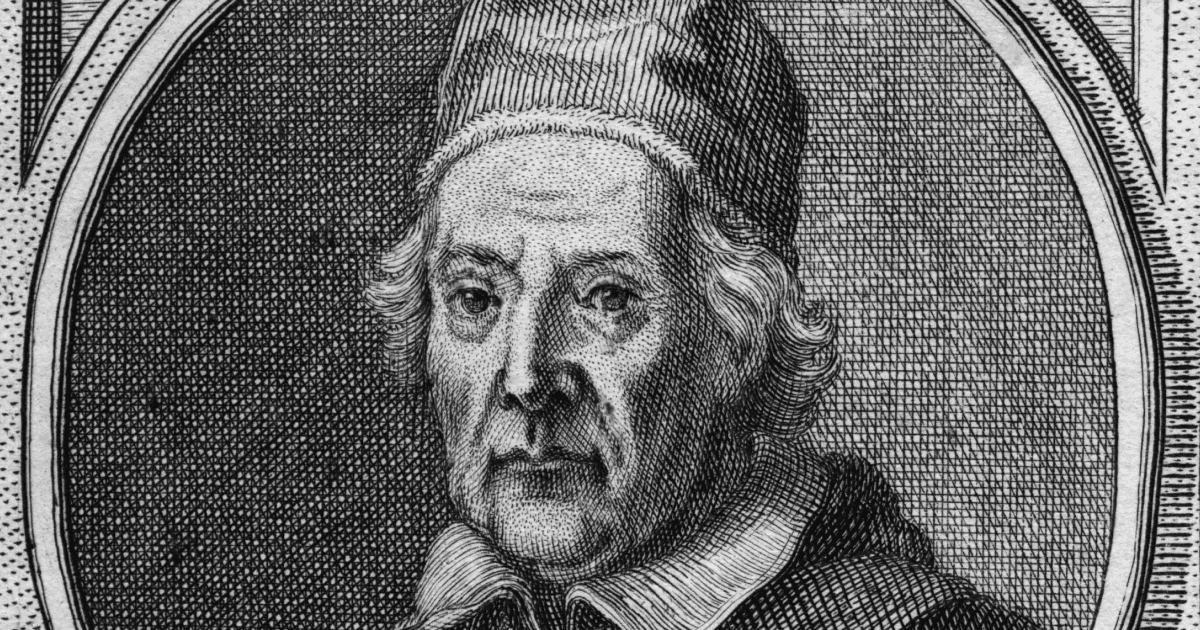
The return to communion with Rome ends a long and fraught period for the two nuns, with the remaining still excommunicated. When their superior, Sister Isabel de la Trinidad, released a five-page open letter on May 13, 2024, along with the 70-page “Catholic Manifesto”, the group was initially under the spiritual care of the excommunicated Bishop Pablo de Rojas Sánchez-Franco. Rojas leads a group called the “Pious Union”, which has chapels and Mass centres around Spain. They hold the sedevacantist position, maintaining that there have been no valid popes since Pius XII, with some dating this further back to Pius X, owing to liturgical and theological reforms they believe invalidated subsequent pontificates.
Rojas claims episcopal lineage according to the “Thục line”, referring to bishops consecrated by, or deriving succession from, Archbishop Pierre Martin Ngô Đình Thục (1897–1984), the former Archbishop of Huế in Vietnam and brother of South Vietnam’s President Ngô Đình Diệm.
In response to the sisters’ allegiance, the Archdiocese of Burgos, where the monastery is located, issued a declaration of excommunication and ordered the nuns to leave consecrated life under canon 751 of the Code of Canon Law. The excommunication applied to only 10 of the sisters, as one had already left and five were deemed too old.
The sisters subsequently separated themselves from Rojas. It appears that the bishop and a man associated with his movement, Francisco José Ceareo Sierra, had been staying at the monastery. Ceareo, who claims to be a priest, at the time became the self-appointed spokesman for the nuns. Declaring to the press that the Bishop of Burgos, Mario Iceta, was a “shameless man”, he became an antagonistic presence among the sisters.
The sisters then welcomed another sedevacantist bishop, Rodrigo da Silva, whose views were so extreme that the now-deceased former SSPX bishop and Englishman Richard Williamson distanced himself from him in 2018. Da Silva also claims the Thục lineage. He later left the monastery. According to reports, the spiritual needs of the community were then met by the sedevacantist priest Jesús Casas Silva.
Prior to their split with the Catholic Church, the sisters had gained national attention for their handcrafted chocolates, especially mojito-flavoured truffles and chocolate-covered orange sticks, sold in gourmet shops and served in Michelin-starred restaurants such as San Sebastián’s Akelarre. After their break with the Church in May 2024, the sisters launched Obraetlabora SL, a company registered in December 2024. Its declared activities include chocolate and confectionery production, as well as agriculture, livestock and property rental.
In early 2025, they were reported to owe significant debts, including €18,000 for a chocolate oven and ingredients, while the archdiocese noted that they lacked funds in official convent accounts. Despite financial strain, they continue producing chocolates under the brand “Erre que Erre”, showcased at Madrid Fusión 2025. In February 2025, three of the sisters moved to Arriondas in Asturias, renting the Hotel-Restaurant Ribera del Chicu. There they opened a cloistered restaurant, with dining service handled by volunteers or staff so that the sisters could remain enclosed.
In November 2025, controversy continued when two sisters were arrested in connection with the alleged illegal sale of artwork. A month later, four elderly sisters were “rescued” from the convent owing to concerns about their medical condition. Three of the nuns were later hospitalised following a medical check-up owing to their greatly deteriorated condition.
The nuns were also formally evicted from their convent. In July 2025 they appeared in court to appeal the eviction, with the court upholding it. They then appealed again, with various extensions granted.
At the time the community’s spokesman, Francisco Canals, said the Religious were determined to resist removal from the monastery where they have lived for decades. “The nuns will continue because they are useful to society, they represent a value for Spain and they are an example of collective leadership,” he said. “They have spent their entire lives in their own convent and will find solutions along a path that still has many challenges ahead.” He added that the women “trust in divine justice: they know they are persecuted, but God helps them in a context where the best judge is time”.
The sisters now seem to have acknowledged the necessity of their eviction. Earlier this month the sisters launched a campaign for a new convent. Creating the website queremosunconvento.com, they asked the Spanish public to offer them a home in which to continue their religious life. Visitors are encouraged to leave a message “if you can help these charismatic nuns”. Responses have been mixed, with some using it as an opportunity to advertise houses for sale. Others have offered practical suggestions about abandoned convents. One of the more unusual comments came from Mgr Artur Jan Sitko, vicar general in Germany for the Polish National Catholic Church. The cleric offered “a formal invitation to you to consider full communion with our Church” in order to facilitate “the establishment of a Mission in Spain”.
It is not clear how the sisters who have left the schismatic group will now live their religious life, though it appears that they will join another community of Poor Clare Sisters in their diocese.