February 23, 2026

Pope’s Angelus address on the fourth anniversary of the war in Ukraine

The Catholic Herald
More
Related
Min read
share

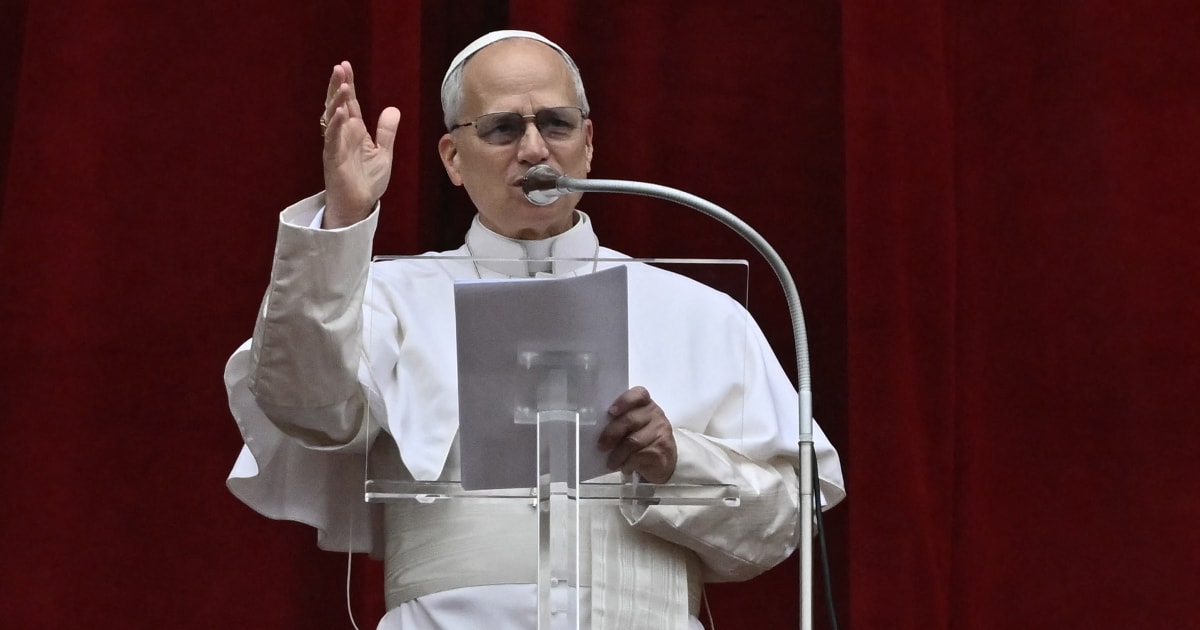
Pope Leo XIV marked the first Sunday of Lent with an urgent appeal for peace in Ukraine, warning that war remains “a wound inflicted upon the entire human family” as the fourth anniversary of Russia’s invasion approaches.

Addressing pilgrims gathered in St Peter’s Square for the Angelus on February 22, the Pope reflected on the Gospel account of Christ’s temptation in the desert and called the faithful to embrace prayer, fasting and almsgiving during the Lenten season. He said the conflict had brought “so many victims, so many lives and families shattered, such immense destruction, such unspeakable suffering”.
In his Angelus address, the Holy Father spoke of Jesus being led by the Spirit into the desert and tempted by the devil after fasting for 40 days. He said that in experiencing hunger and temptation Christ shared in the struggles faced by all humanity, demonstrating that the devil’s deception can be overcome. Lent, he said, should be seen as a “luminous path” through which Christians renew their cooperation with God in shaping their lives as a “unique masterpiece”.

The Pope warned of the constant risk of discouragement and the lure of false satisfactions such as wealth, fame and power, which he described as “poor substitutes for the joy for which we were created”. Citing the Apostolic Constitution Paenitemini of February 17, 1966, by Paul VI, he recalled that penance does not impoverish humanity but “enriches, purifies and strengthens it” as believers move towards love and surrender to God.

He urged Catholics to practise penance generously, alongside prayer and works of mercy, suggesting practical steps such as turning off televisions, radios and mobile phones in order to create space for silence. The faithful were encouraged to meditate on the Word of God, approach the sacraments and listen to the Holy Spirit. He also called for greater attentiveness within families, workplaces and communities, especially towards the elderly, the poor and the sick.

Quoting Augustine of Hippo, the Pope said that prayer offered “in humility and charity, by fasting and giving, by restraining ourselves and pardoning” would reach heaven and grant peace. He concluded the Angelus by entrusting the Lenten journey to the Virgin Mary.

After the Marian prayer he turned to the situation in Eastern Europe. “Four years have passed since the beginning of the war against Ukraine,” he said. “My heartfelt thoughts remain focused on the tragic situation unfolding before the eyes of the whole world.” He reiterated that every war leaves “a trail of pain that marks generations”.

“Peace cannot be postponed,” the Pope declared. “It is an urgent necessity that must find a home in our hearts and be translated into responsible decisions.” His Holiness appealed for an immediate ceasefire, calling for weapons to fall silent and bombings to cease, and for dialogue to be strengthened in order to pave the way towards peace.

The appeal came as reports emerged of further casualties in Ukraine on the eve of the anniversary. At least four people were killed in a fresh wave of Russian attacks, according to local officials. In the southern region of Odesa, two people died after drones struck industrial and civilian infrastructure. Regional authorities reported damage to production and warehouse facilities, administrative buildings and vehicles. In Zaporizhzhia, more than 750 attacks were said to have been carried out across 44 settlements, leaving two people dead in the city of Zaporizhzhia. Further north, a missile struck the Kholodnogirsky district of Kharkiv, with emergency teams assessing the damage.

The violence coincided with a meeting of European Union foreign ministers in Brussels to discuss additional financial assistance for Kyiv and a 20th package of sanctions against Russia. The proposed measures include restrictions on maritime services linked to Russian crude oil exports and further financial constraints intended to limit Moscow’s ability to conduct international payments. A loan of 90 billion euros, agreed in principle in December and approved by the European Parliament, is designed to meet Ukraine’s financial needs until the end of 2027, though it has faced opposition from Hungary.

While diplomatic efforts continued in Brussels, the Pope called on Catholics worldwide to join in prayer “for the embattled people of Ukraine and for all those who suffer due to this war and every conflict in the world, that the long-awaited gift of peace may shine upon our days”.

Pope Leo XIV marked the first Sunday of Lent with an urgent appeal for peace in Ukraine, warning that war remains “a wound inflicted upon the entire human family” as the fourth anniversary of Russia’s invasion approaches.

Addressing pilgrims gathered in St Peter’s Square for the Angelus on February 22, the Pope reflected on the Gospel account of Christ’s temptation in the desert and called the faithful to embrace prayer, fasting and almsgiving during the Lenten season. He said the conflict had brought “so many victims, so many lives and families shattered, such immense destruction, such unspeakable suffering”.
In his Angelus address, the Holy Father spoke of Jesus being led by the Spirit into the desert and tempted by the devil after fasting for 40 days. He said that in experiencing hunger and temptation Christ shared in the struggles faced by all humanity, demonstrating that the devil’s deception can be overcome. Lent, he said, should be seen as a “luminous path” through which Christians renew their cooperation with God in shaping their lives as a “unique masterpiece”.

The Pope warned of the constant risk of discouragement and the lure of false satisfactions such as wealth, fame and power, which he described as “poor substitutes for the joy for which we were created”. Citing the Apostolic Constitution Paenitemini of February 17, 1966, by Paul VI, he recalled that penance does not impoverish humanity but “enriches, purifies and strengthens it” as believers move towards love and surrender to God.

He urged Catholics to practise penance generously, alongside prayer and works of mercy, suggesting practical steps such as turning off televisions, radios and mobile phones in order to create space for silence. The faithful were encouraged to meditate on the Word of God, approach the sacraments and listen to the Holy Spirit. He also called for greater attentiveness within families, workplaces and communities, especially towards the elderly, the poor and the sick.

Quoting Augustine of Hippo, the Pope said that prayer offered “in humility and charity, by fasting and giving, by restraining ourselves and pardoning” would reach heaven and grant peace. He concluded the Angelus by entrusting the Lenten journey to the Virgin Mary.

After the Marian prayer he turned to the situation in Eastern Europe. “Four years have passed since the beginning of the war against Ukraine,” he said. “My heartfelt thoughts remain focused on the tragic situation unfolding before the eyes of the whole world.” He reiterated that every war leaves “a trail of pain that marks generations”.

“Peace cannot be postponed,” the Pope declared. “It is an urgent necessity that must find a home in our hearts and be translated into responsible decisions.” His Holiness appealed for an immediate ceasefire, calling for weapons to fall silent and bombings to cease, and for dialogue to be strengthened in order to pave the way towards peace.

The appeal came as reports emerged of further casualties in Ukraine on the eve of the anniversary. At least four people were killed in a fresh wave of Russian attacks, according to local officials. In the southern region of Odesa, two people died after drones struck industrial and civilian infrastructure. Regional authorities reported damage to production and warehouse facilities, administrative buildings and vehicles. In Zaporizhzhia, more than 750 attacks were said to have been carried out across 44 settlements, leaving two people dead in the city of Zaporizhzhia. Further north, a missile struck the Kholodnogirsky district of Kharkiv, with emergency teams assessing the damage.

The violence coincided with a meeting of European Union foreign ministers in Brussels to discuss additional financial assistance for Kyiv and a 20th package of sanctions against Russia. The proposed measures include restrictions on maritime services linked to Russian crude oil exports and further financial constraints intended to limit Moscow’s ability to conduct international payments. A loan of 90 billion euros, agreed in principle in December and approved by the European Parliament, is designed to meet Ukraine’s financial needs until the end of 2027, though it has faced opposition from Hungary.

While diplomatic efforts continued in Brussels, the Pope called on Catholics worldwide to join in prayer “for the embattled people of Ukraine and for all those who suffer due to this war and every conflict in the world, that the long-awaited gift of peace may shine upon our days”.

subscribe to
the catholic herald

Continue reading your article with a subscription.
Read 5 articles with our free plan.
Subscribe

subscribe to the catholic herald today

Our best content is exclusively available to our subscribers. Subscribe today and gain instant access to expert analysis, in-depth articles, and thought-provoking insights—anytime, anywhere. Don’t miss out on the conversations that matter most.
Subscribe