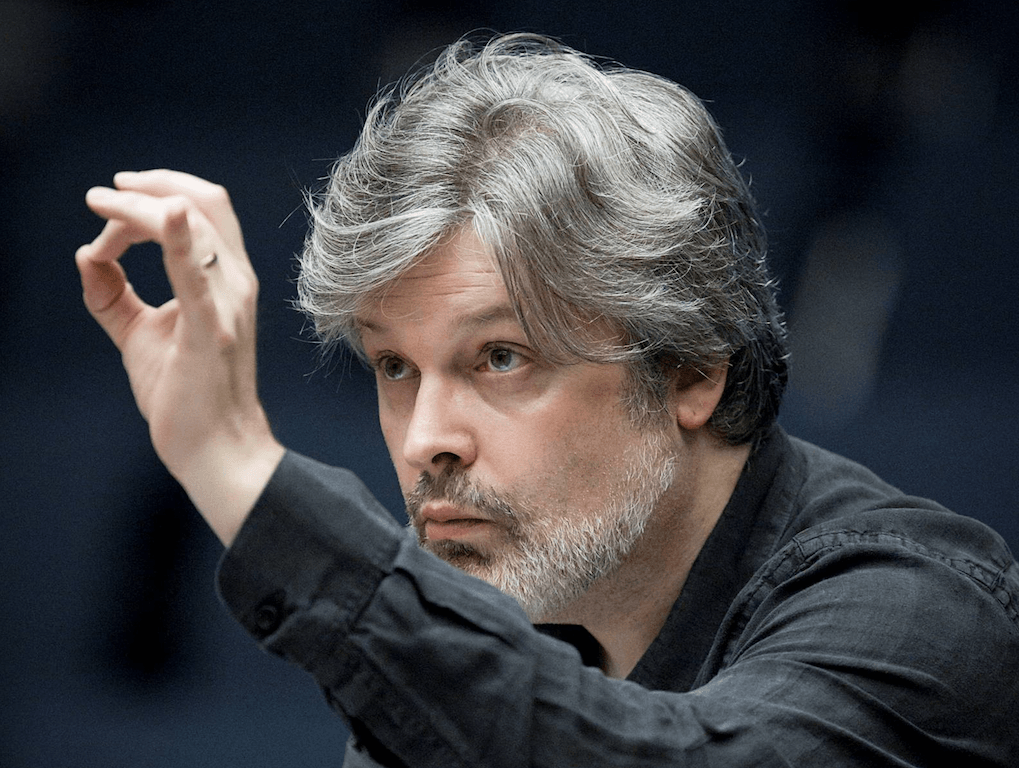


Sir James MacMillan is a modest man for such a famous composer, but he knows what I mean when I compare him to God. Composers, like other artists, are sub-creators under God; they bring something into being out of nothing. “That’s what Pope John Paul II said in his letter to artists,” says Sir James. “We’re a mirror and a ripple extending from creation. What we do is extended creativity. We instinctively understand what it means to love creation into existence.”
Sir James is in the fullest sense a Catholic composer; even his secular pieces are infused with a religious sensibility. He can get spirituality under the skin even of those who might think of themselves as hostile to religion. “Music is a universal language that transcends the things that divides us,” he says. And the Christian component of that language is, he says, especially evident in classical music. “There’s a great acknowledgement that so much of it springs from our Judeo-Christian heritage, and a great engagement with the works of the past that come from Judeo-Christian beliefs. There’s a respect and gratitude even among secular people for that. It’s a good meeting place for believers and non-believers.”